 (866) 475-4967



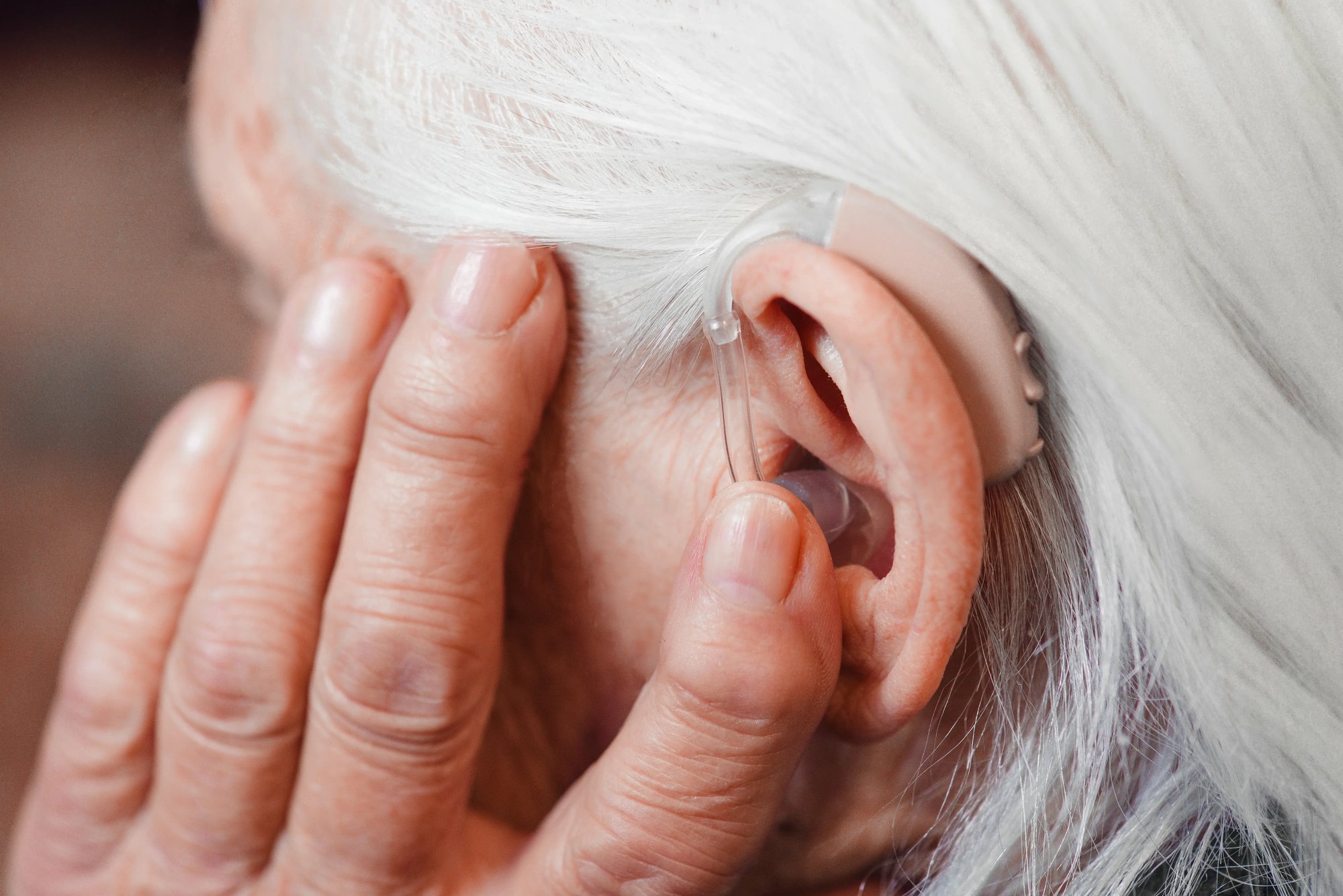
Hearing Loss Guides & Resources
Explore our guides to learn more about hearing loss, improve communication, and support safety, connection, and independence at home.
Understanding Hearing Changes

7 Early Signs of Hearing Loss in Older Adults
Learn the common early signs of hearing loss in older adults, from asking people to repeat themselves to avoiding noisy gatherings.

Types of Hearing Loss in Seniors: Why It Matters
Understand the main types of hearing loss in seniors and why knowing the difference can help guide evaluation, treatment options, and everyday communication support.
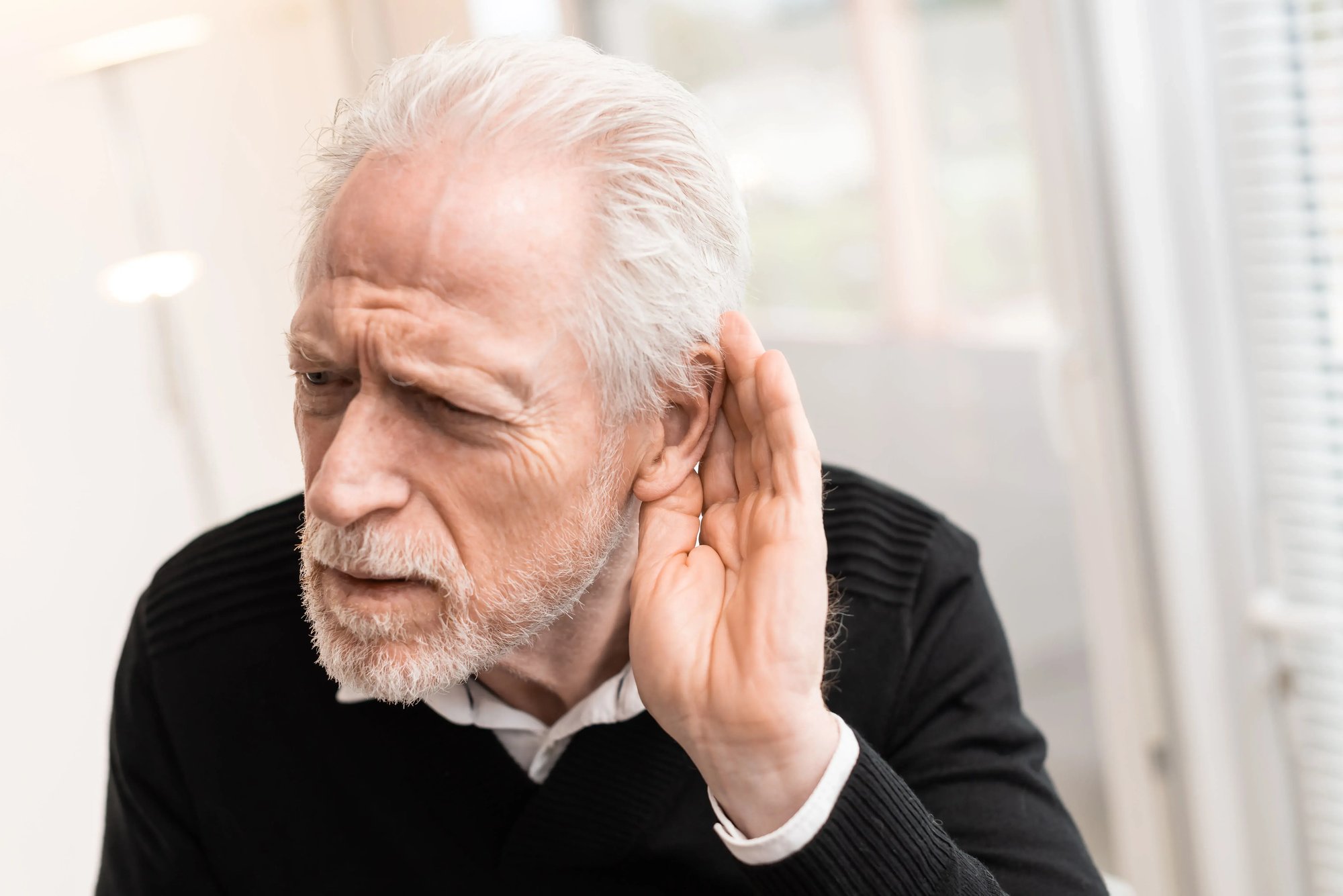
Why Seniors Have Trouble Hearing Conversations
Explore why older adults often struggle to follow conversations, especially in noisy settings, and what families can do to make listening easier.
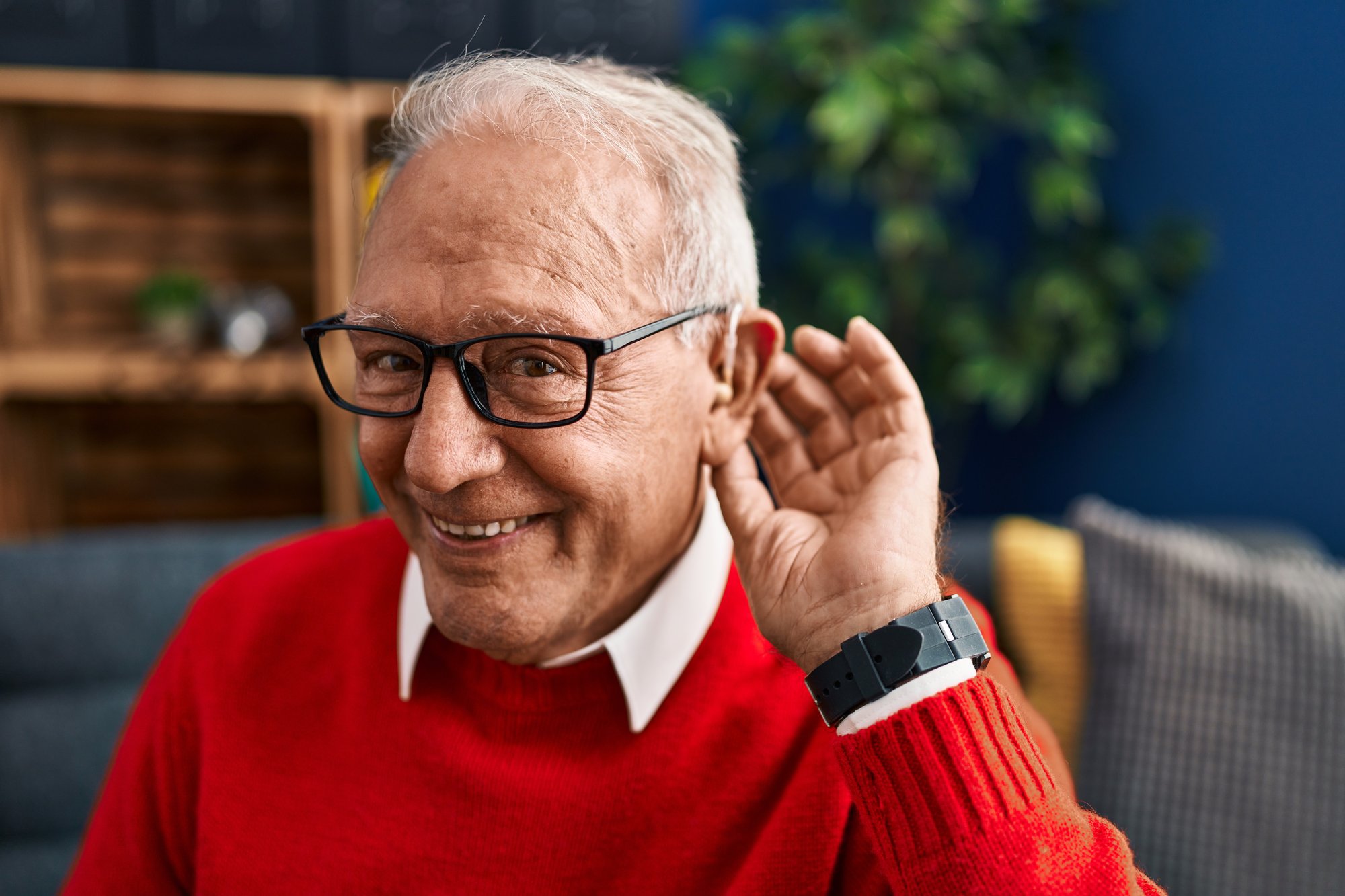
Talking to a Parent Who Won't Admit They Have a Hearing Problem
Find compassionate ways to start a conversation with a parent who denies hearing problems, including tips for listening to concerns and encouraging a hearing evaluation.
Communication & Cognitive Health

How to Communicate With Seniors With Hearing Loss
Discover practical ways to communicate with older adults who have hearing loss, including positioning, speaking clearly, reducing noise, and being patient during conversations.

Hearing Loss and Dementia: Understanding the Connection
Explore what research suggests about the connection between hearing loss and dementia, and why addressing hearing changes early may support cognitive health.
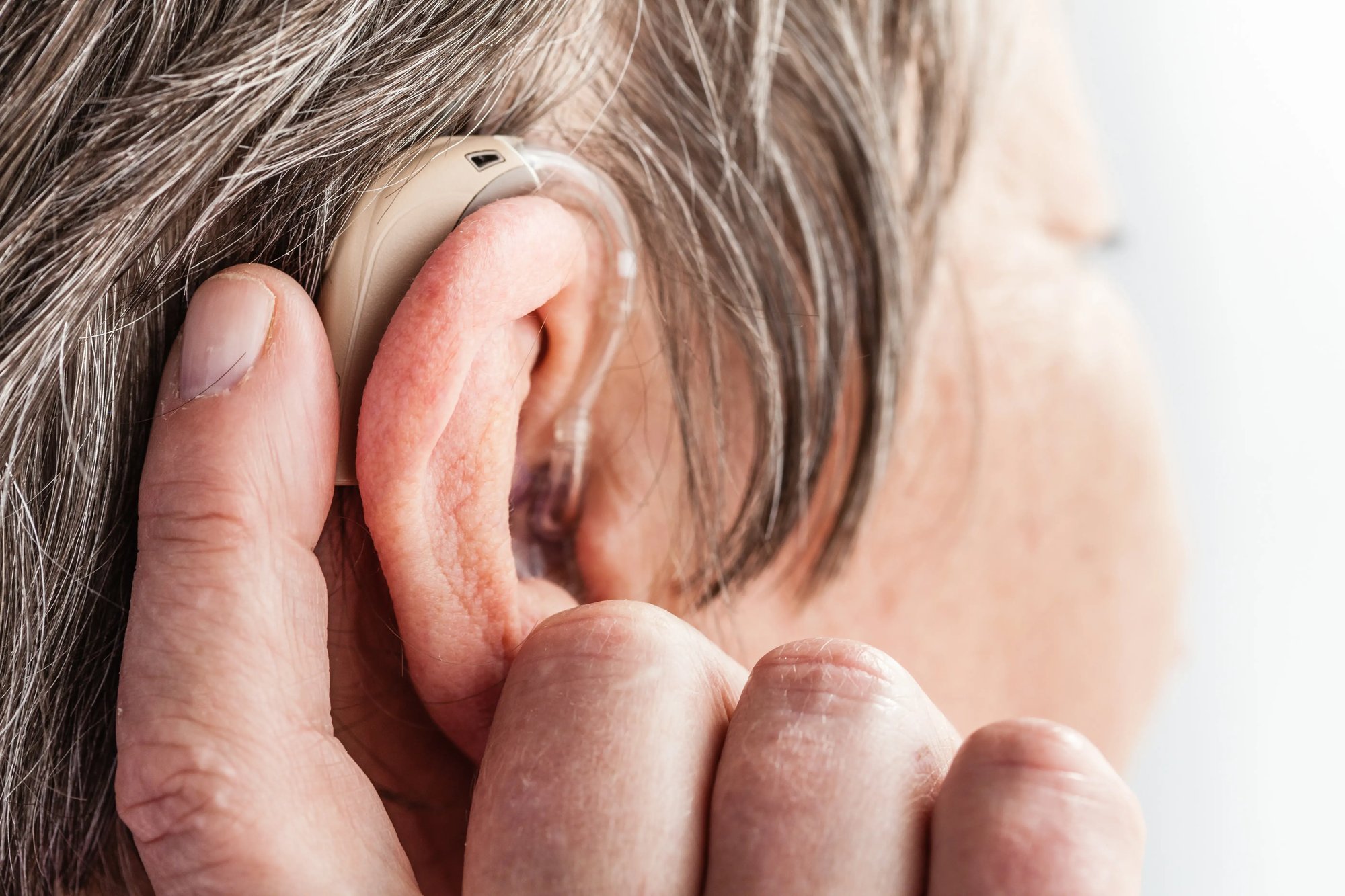
Hearing Loss vs. Dementia: Signs and Differences
Learn how hearing loss and dementia can look similar, how they differ, and why a professional evaluation matters when memory or communication changes appear.
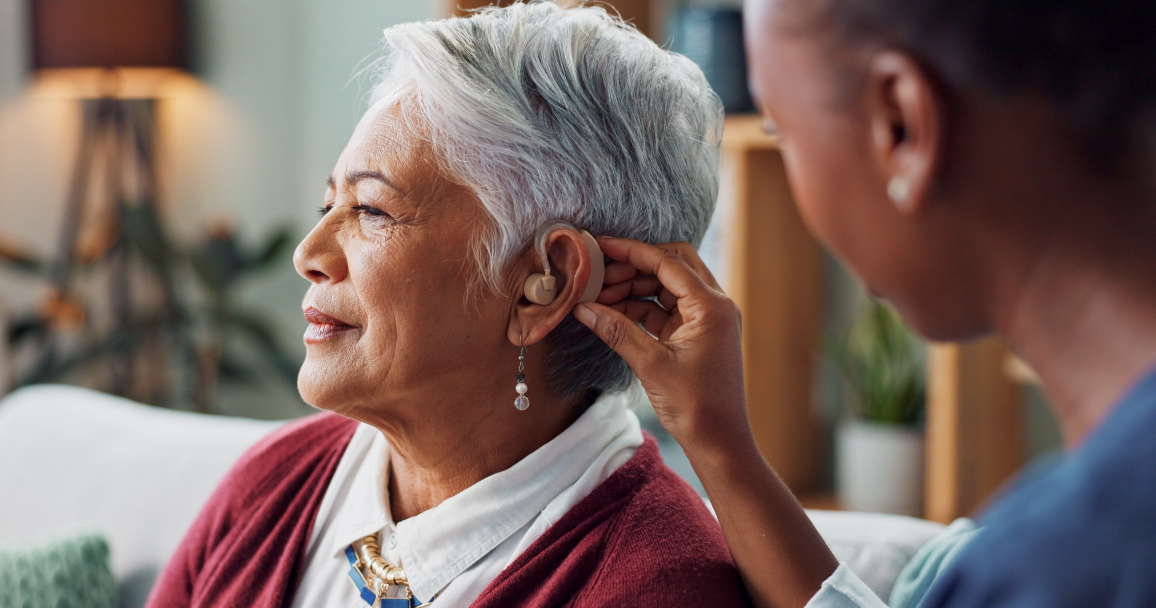
Hearing Aids and Brain Health: What Research Shows
Review what research says about hearing aids and brain health, and how treating hearing loss may support communication, engagement, and overall well-being.

How Untreated Hearing Loss Affects Memory, Mood, and Independence
Understand how untreated hearing loss may affect memory, mood, and independence in older adults, and when to seek a hearing evaluation.
Everyday Living & Support

How to Make Your Home Hearing-Friendly for Seniors
Discover simple home adjustments that can make daily life easier for seniors with hearing loss, from reducing background noise to improving lighting and alerts.
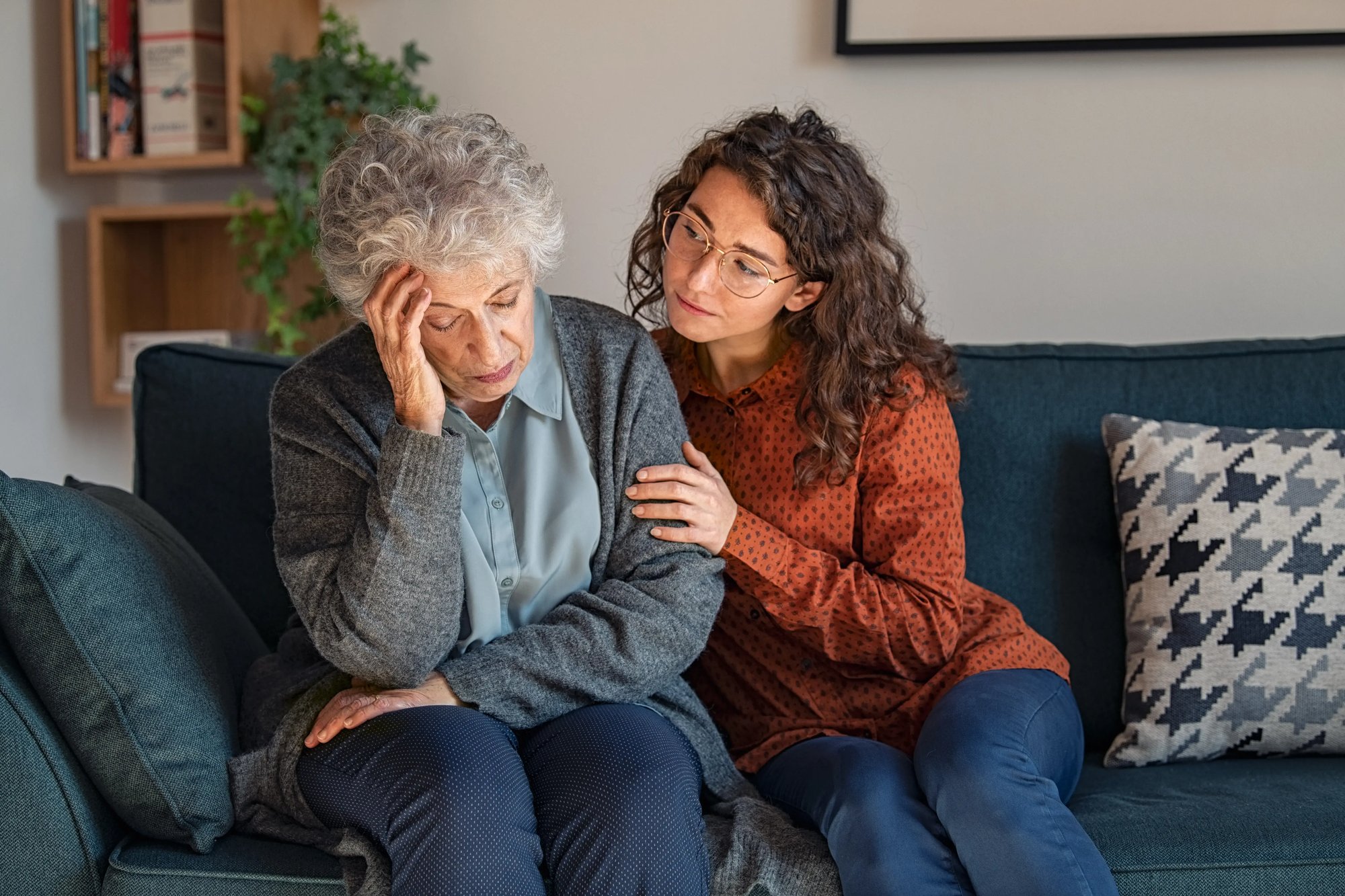
When an Older Parent Refuses Hearing Aids
Learn why some older adults resist hearing aids and find supportive ways to talk about concerns, explore options, and encourage a professional hearing evaluation.

Hearing Loss and Fall Risk in Older Adults
Understand how hearing loss may affect balance, awareness, and fall risk in older adults, and explore ways to support safer movement at home.

Hearing Loss and Independence in Older Adults
Explore how hearing changes can affect confidence, daily routines, and independence, and what families can do to help older adults stay engaged.

Hearing Loss and Social Isolation in Older Adults
See how hearing loss can lead to social withdrawal and loneliness, and learn ways to encourage connection, conversation, and participation in activities.


Supporting Communication, Connection & Independence at Home
Hearing loss can affect more than conversations. It may influence confidence, social participation, and everyday routines. TheKey provides personalized home care that supports meaningful connection, companionship, and independence. Our caregivers can help create a supportive environment where older adults feel understood, included, and comfortable participating in daily life.