THEKEY-104-F7A8886-600x600

What Is Home Care?

Home care is professional support that helps people continue living safely and comfortably in their own homes as they age. Instead of moving to a facility or relying solely on family members, trained caregivers come into your loved one's home to provide personalized assistance with daily activities, companionship, and support.

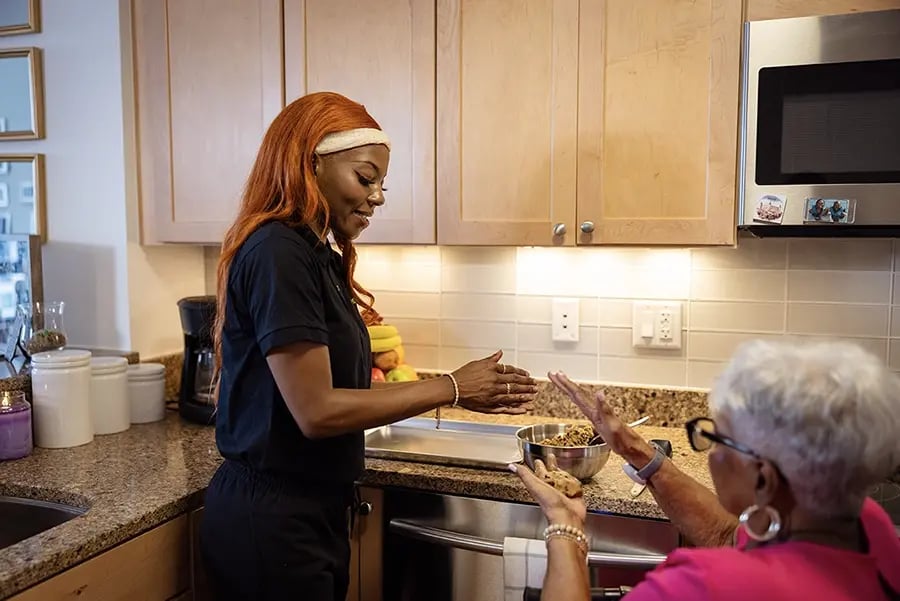
Home care is everyday support, not medical treatment, assisting with activities such as bathing and dressing, meal preparation, light housekeeping, transportation to appointments, medication reminders, and meaningful engagement that keeps people connected, active, and independent.

Home care is flexible. Care can happen a few times a week or serve as around-the-clock support. It starts with what's needed now and adapts as needs change, designed around your loved one's preferences, routines, and the life they want to continue living.

Benefits of Home Care

Home care helps people age in place in the home and community they know while receiving personalized support that preserves independence, dignity, and quality of life. Here's why families choose home care.

Staying in the Place You Love

Home is where memories live, where routines feel familiar, where you know the neighbors. Home care makes it possible to age in place, surrounded by the belongings and community connections that provide comfort and meaning.

Personalized, One-on-One Support

Home care provides dedicated, personalized attention. Caregivers learn your loved one's preferences, personality, and routines: what time they like breakfast, which activities they enjoy, or how they take their coffee.

Maintaining Independence and Dignity

Home care provides just enough support so your loved one can continue doing what they're able to do, in their own way, on their own schedule. Help with what's difficult, independence with everything else.

Keeping Family Relationships Strong

When adult children aren't exhausted from managing all the caregiving, they can focus on being daughters and sons again, not just care managers. Home care preserves family relationships by handling care tasks, freeing families to focus on connection.

Peace of Mind for the Whole Family

Families sleep better knowing their loved one isn't alone, that someone is there to help with falls, medications, meals, and emergencies. Caregivers provide regular updates so families stay informed. This peace of mind is invaluable.

Preventing Isolation and Loneliness

Social connection is essential for mental and physical health. Home care provides companionship, facilitates activities and outings, and keeps people engaged with their community to support overall well-being.

Supporting Cognitive and Physical Health

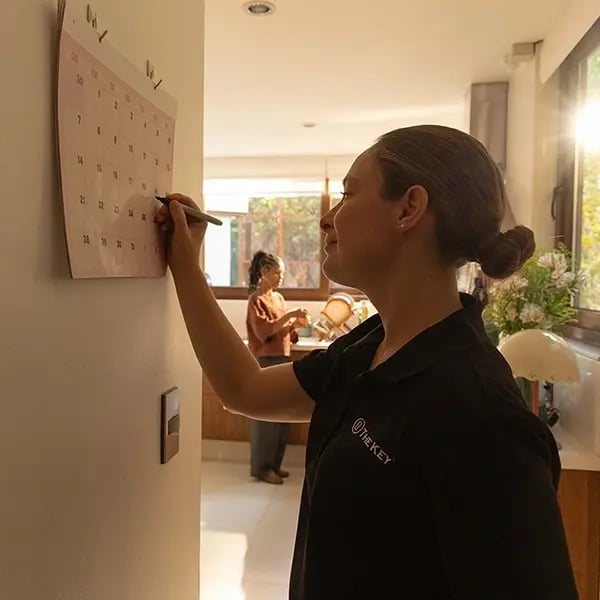
Our caregivers are trained in the Balanced Care Method®, a research-backed approach that actively supports six pillars of health with care that goes beyond basic tasks to include engaging and meaningful activities.

Flexible Care That Adapts Over Time

What starts as light companionship can evolve into comprehensive support. Home care adapts, adjusting support levels or bringing in specialized expertise to ensure your loved one receives the right care at every stage.

When to Consider Home Care

Many families wonder, "How do we know it's time?" Home care isn't just for crisis situations.
Starting care early, before it becomes urgent, often leads to better outcomes. Here are common situations where home care helps.

You're Noticing Worrying Changes

Daily tasks that used to be easy, like bathing, cooking, or managing medications, are becoming difficult. You notice missed meals, a cluttered house, or slipping personal hygiene.

Safety Is a Concern

There have been falls, near-misses, or concerning incidents like leaving the stove on. Your loved one is unsteady on their feet or living alone in a home that's difficult to navigate safely.

Family Caregivers Are Overwhelmed

You're managing all the care yourself, and it's becoming unsustainable. You're exhausted, your health is suffering, or you live far away and can't provide the daily support needed.

Recovery After a Health Event

After surgery, illness, or hospitalization, your loved one needs help with mobility, medications, or rebuilding strength. Home care can bridge the gap between hospital discharge and recovery.

Cognitive Changes Require New Support

You're seeing memory loss, confusion, or behavioral changes suggesting dementia. Your loved one needs supervision for safety, help staying engaged, and support managing frustration.

You Want to Plan Ahead

Some families start home care proactively, with a few times a week for companionship. This helps your loved one get comfortable with a caregiver while still independent, making future transitions easier.

Types of Home Care Available

Home care is flexible and can be tailored to different needs. Here's a quick overview of the main types of care.

Companion Care

Social interaction, transportation, and engagement in hobbies and activities.

Help at Home

Light housekeeping, meal preparation, and a helping hand that can serve as an easy introduction to care at home.

Personal Care

Hands-on assistance with bathing, dressing, grooming, toileting, mobility, and eating.

Memory Care

Specialized support for Alzheimer's disease, dementia, or other cognitive impairments with trained caregivers.

Respite Care

Temporary relief for family caregivers who need a break.

24/7 Care

Round-the-clock support for extensive care needs requiring continuous supervision.

Skilled Nursing Services

Clinical care for individuals with complex or chronic conditions, delivered wherever you call home.

Common Questions About Home Care

The cost depends on how many hours of care your loved one needs. During a free consultation, we’ll discuss your situation and help you understand what level of support makes sense for your needs and budget. We also offer free support navigating long-term care insurance claims.

If you’re noticing changes that worry you, like difficulty with daily tasks, safety concerns, missed medications, or isolation, or if family caregivers are overwhelmed, these are signs that home care could help. Starting care early, before it becomes urgent, often leads to better outcomes. A free consultation can help you assess your situation.

Many people are initially resistant to “a stranger in the house.” That’s why we use TheKeyMatch™ to carefully match caregivers based on personality, shared interests, and compatibility, not just care needs. We also start gradually when possible. Most families find that once trust is established, their loved one comes to value the relationship and support.

Home care is designed to adapt. If your loved one needs more support, we scale up services. If abilities improve after recovery, we can scale back. Your care plan is continuously adjusted based on changing needs.

In many cases, care can begin within days of your initial consultation, sometimes within 24-48 hours if there’s an urgent need. The timeline depends on care complexity and caregiver availability, but we work to start care as quickly as possible while ensuring proper matching and planning.

Ready to Explore Your Options?

The best way to know whether home care is right for your family is to reach out. We'll discuss your specific situation, answer your questions, and help you understand what level of support makes sense.
1
50-IMG-0901-600x400

We Start by Listening

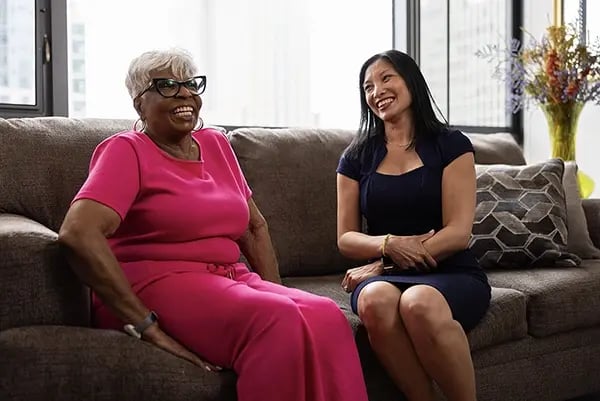
Schedule a free consultation to discuss your needs

2
THEKEY-103-F7A8641-600x400

We Design Care Around the Individual

For your assessment, we meet you in your space, building trust as we create a personalized care plan that centers on your routines, preferences, and goals.
3
Copia-deTHEKEY-102-F7A8014-600x400

We Support You at Every Step

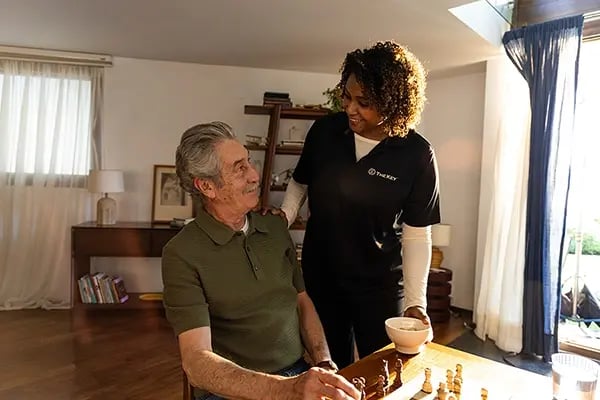
Along with your personally matched caregiver, your dedicated care team includes a caregiver manager and a client success manager, both available 24/7 to keep everything running smoothly.

Your Care Journey Starts Here

Every journey starts with a conversation. Talk with our team about your situation, your concerns, and what you hope care can provide. We'll listen carefully, answer your questions honestly, and help you understand whether TheKey is the right fit.