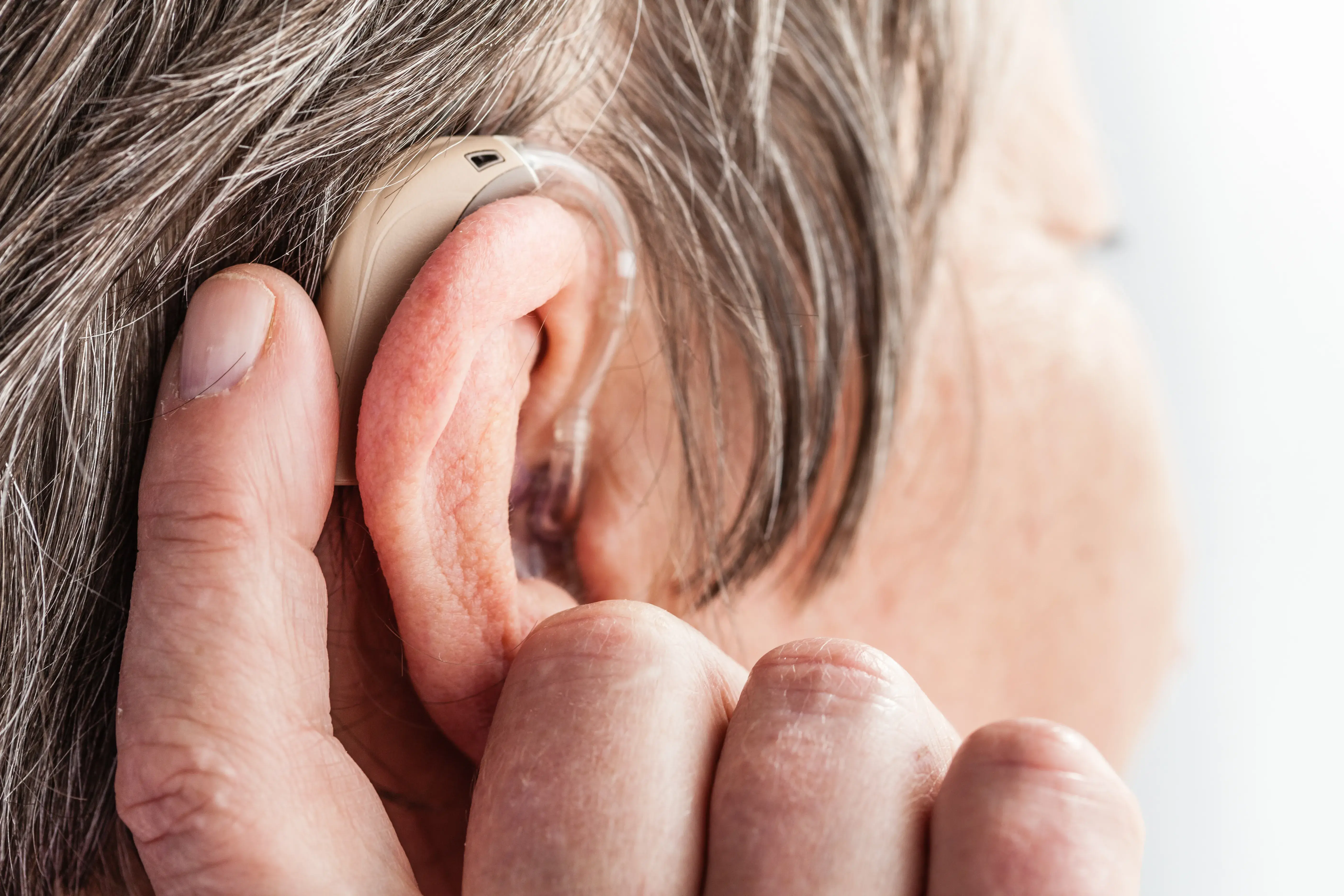
Communication difficulties can create frustration on both sides of a conversation. An older parent may repeatedly ask family members to speak louder, while loved ones may feel they are constantly repeating themselves.
Over time, these interactions can become tense, even when everyone is trying to help.
Hearing loss changes how spoken information is received, but it doesn't diminish someone's need for connection, autonomy, or meaningful conversation.
With a few practical adjustments, families can make communication more comfortable and effective.
Why Hearing Loss Makes Conversations Difficult
Age-related hearing loss often affects higher-frequency sounds, making certain consonants difficult to distinguish.
Someone may hear that another person is speaking without understanding every word.
Background noise can make this problem worse.
In group settings, following multiple speakers may require considerable concentration.
These difficulties can lead to misunderstandings that appear unrelated to hearing.
Recognizing the underlying challenge helps families respond with patience rather than frustration.
1. Get the Person's Attention Before Speaking
Begin by saying the person's name or making eye contact.
Avoid speaking from another room or while walking away.
Someone with hearing loss may miss the beginning of a sentence if they don't realize a conversation has started.
Establishing attention first can improve understanding.
2. Face the Person Directly
Facial expressions, mouth movements, and gestures provide important communication cues.
Speaking while looking down, turning away, or covering the mouth can make understanding more difficult.
Good lighting can also help the person see facial expressions.
3. Speak Clearly Without Shouting
Shouting is rarely the best solution.
Excessive volume can distort speech and make communication uncomfortable.
Instead, speak clearly at a natural pace.
Use short, complete sentences and allow time for the person to process information.
4. Reduce Background Noise
Television, music, appliances, and multiple conversations can interfere with speech understanding.
Before discussing something important, consider moving to a quieter environment.
At family gatherings, choosing a seat away from loud speakers or kitchen noise may make participation easier.
5. Rephrase When Something Isn't Understood
Repeating the same sentence several times may not help if certain words are difficult to distinguish.
Try using different words or simplifying the sentence.
For example, instead of repeating a complicated instruction, break it into smaller parts.
This approach can reduce frustration for everyone involved.
6. Avoid Speaking for the Person
When an older adult struggles to hear, family members may begin answering questions on their behalf.
Although this may seem helpful, it can reduce opportunities for participation and decision-making.
Whenever possible, address the person directly and provide the communication support needed for them to respond.
Independence includes the ability to express preferences and make choices.
7. Use Written and Visual Communication When Helpful
Written reminders, text messages, captions, and visual cues can supplement spoken information.
For medical appointments, written summaries may help ensure that instructions are understood.
Technology can also support communication.
Captioned telephones, assistive listening devices, and video calls with clear visual access may be useful.
8. Make Group Conversations More Inclusive
Group conversations can be especially challenging because speakers change quickly.
Encourage one person to speak at a time and avoid talking over others.
Include the older adult by facing them and providing context when the subject changes.
Small adjustments can make gatherings more enjoyable and reduce the likelihood of withdrawal.
9. Recognize Listening Fatigue
Following conversations with hearing loss can require significant mental effort.
Someone may become tired or frustrated after extended discussions.
Allow breaks when needed, particularly during important or emotionally demanding conversations.
Listening fatigue should not be interpreted as lack of interest.
When Hearing Evaluation Is Important
Communication strategies can help, but they do not replace professional assessment.
An audiologist can evaluate hearing and recommend appropriate treatment.
Hearing aids, assistive listening devices, and other interventions may improve speech understanding.
Sudden hearing loss requires urgent medical attention.
Supporting Connection Through TheKey's Balanced Care Method®
At TheKey, Connect with Others is a central pillar of our Balanced Care Method®.
Meaningful relationships depend on opportunities to communicate and participate.
Caregivers can adapt their communication style, reduce environmental distractions, and support activities that encourage social engagement.
These practices help preserve dignity and inclusion.
Communication Should Preserve Connection
Hearing loss can make conversations more complicated, but it doesn't have to make relationships less meaningful.
By adjusting how information is shared, families can help older adults remain involved in discussions, decisions, and everyday experiences.
Effective communication begins with respect, patience, and a willingness to adapt.
 (866) 475-4967