(866) 475-4967


Hearing Loss vs. Dementia: How to Tell the Difference
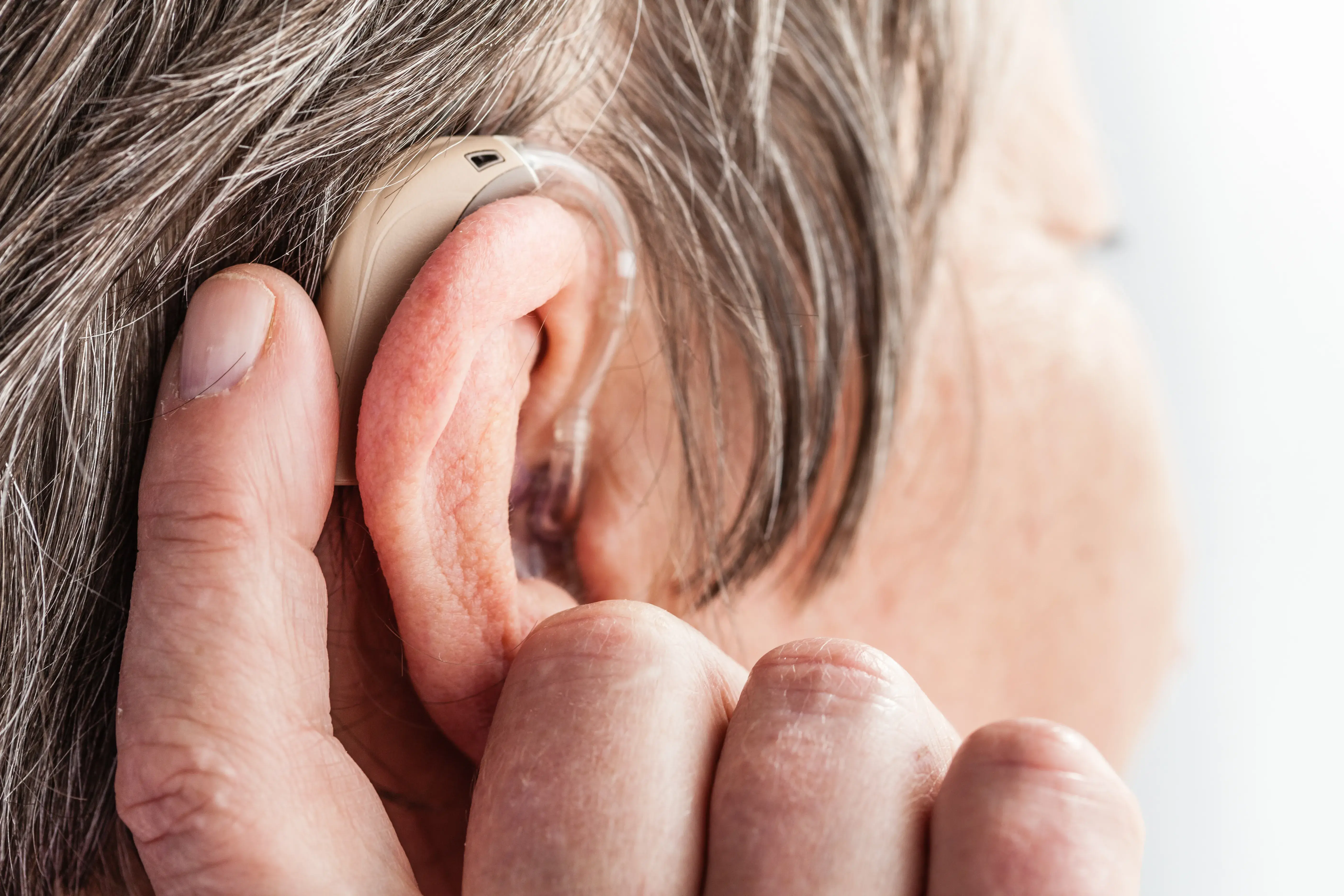
When an older parent begins missing parts of conversations, responding incorrectly to questions, or appearing confused during family gatherings, loved ones may worry that these changes are early signs of dementia. Someone who once followed conversations easily may begin asking the same questions repeatedly, withdrawing from discussions, or struggling to understand what others are saying.
These changes deserve attention, but they do not always indicate cognitive decline. Hearing loss can make it difficult to receive and understand spoken information, particularly when background noise is present or several people are talking at once. An older adult may appear forgetful, inattentive, or confused simply because they did not hear the information accurately in the first place.
At the same time, hearing loss and dementia can occur together. Both become more common with age, and the presence of one condition does not rule out the other. Assuming that every communication difficulty reflects dementia can lead to unnecessary concern, while attributing all cognitive changes to hearing loss may delay an important diagnosis.
Understanding how these conditions differ can help families recognize patterns, communicate more effectively, and determine when hearing evaluation, cognitive assessment, or both may be appropriate.
How Hearing Loss Can Resemble Dementia
Hearing loss affects more than the ability to detect sound. It can interfere with how clearly someone understands speech, particularly when certain frequencies become difficult to distinguish. An older adult may hear that another person is speaking without accurately understanding every word.
This can create situations that resemble memory or attention problems. Someone may repeatedly ask the same question because they missed the answer, respond incorrectly because they misunderstood what was said, or appear disengaged during a family gathering because following multiple speakers has become exhausting.
Consider a parent who is told about a family appointment but later seems unaware of the plan. A family member may interpret this as forgetfulness, when the parent may not have heard the date or details clearly. In another situation, someone may respond to a question with an unrelated answer because they misunderstood a key word.
These behaviors can be especially noticeable in noisy environments, where hearing loss makes it harder to separate speech from background sounds. The person may communicate relatively well in a quiet room but struggle considerably at a restaurant or during a large family gathering.
The distinction is important because the underlying difficulty may involve access to auditory information rather than the ability to remember, reason, or understand information once it has been received accurately.
However, hearing difficulties and cognitive changes are not always easy to separate through observation alone. A professional evaluation can help identify which factors are contributing to the person's symptoms.
What Makes Dementia Different From Hearing Loss?
Dementia is a clinical syndrome involving a decline in cognitive abilities that interferes with independent functioning. Depending on the underlying condition, symptoms may affect memory, language, judgment, planning, attention, orientation, or other cognitive functions.
Hearing loss, by comparison, primarily affects auditory communication. Someone may have difficulty understanding spoken instructions while remaining fully capable of remembering information, making decisions, and completing familiar activities when communication is accessible.
The distinction often becomes clearer when difficulties extend beyond spoken conversations. An older adult living with dementia may struggle to manage familiar financial responsibilities, navigate previously known environments, follow written instructions, or complete everyday tasks that once felt routine.
These changes are not explained by hearing loss alone.
For example, someone with hearing impairment may misunderstand a spoken appointment time but accurately follow the same information when it is written down. Someone experiencing broader cognitive changes may continue to have difficulty understanding or remembering the appointment even when the information is clearly presented.
This is not a definitive test, and dementia can affect people differently. Some individuals experience language, attention, or executive-function difficulties before significant memory changes become apparent.
The important question is whether the person's difficulties are primarily related to hearing spoken information or whether they reflect changes across several areas of cognitive and everyday functioning.
Hearing Loss vs. Dementia: Key Differences
Although hearing loss and dementia can produce overlapping behaviors, certain patterns may help families understand what they are observing.
| What Families Notice | May Suggest Hearing Loss | May Suggest Cognitive Changes |
| Difficulty following conversations | More noticeable with background noise or when speakers face away | May occur even when speech is clearly heard |
| Repeated questions | The person may not have heard or understood the original answer | The person may forget an answer they previously understood |
| Following instructions | May improve when instructions are written or communicated visually | May remain difficult despite clear communication |
| Television volume | Often increased to compensate for reduced hearing | Not a defining feature of dementia |
| Familiar activities | Generally remain manageable when hearing is not required | May become difficult because of changes in memory, planning, or judgment |
| Social withdrawal | May reflect frustration or exhaustion from difficult conversations | May reflect cognitive, emotional, or behavioral changes |
| Orientation | Hearing loss alone does not typically cause disorientation | Getting lost in familiar places may indicate cognitive impairment |
These distinctions are useful for recognizing patterns, but they cannot establish a diagnosis. Someone may have both hearing loss and dementia, and other medical conditions can produce similar symptoms.
Families should use these observations to guide conversations with healthcare professionals rather than attempting to determine the cause independently.
Signs That May Point Toward Hearing Loss
Hearing difficulties often become more noticeable in situations where speech is difficult to distinguish. Restaurants, family gatherings, and conversations involving multiple speakers may be especially challenging.
An older adult may frequently ask others to repeat themselves, increase the television volume, misunderstand similar-sounding words, or complain that people are mumbling. They may also respond more accurately when someone faces them directly or when background noise is reduced.
Another useful observation is whether communication improves when information is presented in a different format. Someone who struggles with spoken instructions but follows written directions accurately may be experiencing hearing-related communication difficulties.
Family members may also notice that the person becomes quieter during group discussions or avoids social settings where following conversations requires substantial effort. These changes can reflect frustration or listening fatigue rather than a loss of interest in relationships.
Persistent patterns like these are reasons to consider a professional hearing evaluation, even when the individual does not believe their hearing has changed.
Importantly, these signs do not rule out cognitive impairment. Hearing loss and dementia can coexist, and a person experiencing communication difficulties may require assessment of both.
Signs That May Suggest Broader Cognitive Changes
Cognitive changes often become apparent through difficulties that extend beyond hearing conversations. Families may notice that an older adult repeatedly forgets recently completed activities, struggles with familiar responsibilities, becomes lost in previously known places, or demonstrates changes in judgment.
Someone may have difficulty managing medications, paying bills, following a familiar recipe, or completing tasks that previously required little effort. Changes in language, problem-solving, or orientation may also become noticeable.
These symptoms deserve evaluation, particularly when they represent a meaningful change from the person's previous level of functioning.
However, not every cognitive symptom indicates dementia. Medication effects, depression, sleep disorders, thyroid problems, vitamin deficiencies, infections, and other medical conditions can contribute to changes in memory, attention, or behavior.
A healthcare professional can assess possible causes and determine whether additional testing is needed.
Sudden confusion or a rapid change in mental status should not be assumed to represent ordinary aging or gradual dementia progression. It may indicate delirium or another acute medical problem that requires prompt evaluation.
The goal is to identify what has changed, how quickly the change developed, and whether it is affecting the person's ability to function safely and independently.
Why Hearing Should Be Considered During Cognitive Assessment
Many cognitive screening tools rely partly on spoken questions and instructions. If an older adult cannot hear these clearly, their performance may not accurately reflect their underlying cognitive abilities.
For example, someone may miss part of a memory task because they did not hear the original words correctly. They may also struggle to follow verbal directions during testing, even when they are capable of understanding the task once the instructions are accessible.
These challenges can complicate interpretation and potentially make cognitive difficulties appear more severe than they are.
Healthcare professionals should therefore be informed about known or suspected hearing loss before cognitive testing begins. Appropriate accommodations may include ensuring hearing devices are functioning, reducing background noise, positioning the examiner where the person can see them clearly, or using assessment approaches designed to reduce hearing-related limitations.
Written instructions may be useful in some situations, although modifications to standardized cognitive tests must be considered carefully because they can affect how results are interpreted.
A comprehensive evaluation considers sensory functioning, medical history, medications, daily activities, and cognitive symptoms together. This approach can help distinguish communication barriers from broader cognitive changes and identify when both conditions require attention.
Can Someone Have Hearing Loss and Dementia at the Same Time?
Yes. Hearing loss and dementia both become more common with advancing age, and some older adults live with both conditions.
When they occur together, communication can become especially challenging. A person with dementia may already have difficulty processing complex information, remembering instructions, or following conversations. Hearing impairment can make these tasks even more demanding by reducing access to the spoken information needed to participate.
This combination may contribute to frustration, reduced social engagement, and difficulty understanding care instructions. Someone may become distressed when they cannot follow what is happening around them, particularly in unfamiliar or noisy environments.
Families and caregivers can help by using clear, concise language, maintaining eye contact, reducing competing sounds, and providing additional time for responses. Familiar routines and visual cues may also support understanding.
Hearing aids and other assistive devices may improve access to sound for some individuals living with dementia, although their suitability depends on hearing needs, cognitive abilities, comfort, and available support.
Treating hearing loss does not cure dementia or reverse underlying cognitive changes. However, improving communication may make everyday interactions more comfortable and help the person remain engaged in familiar activities and relationships.
What Families Should Do When They Notice Changes
When communication or cognitive difficulties become noticeable, families can begin by documenting specific examples rather than relying on general impressions.
Consider when the difficulties occur and whether they follow a recognizable pattern. Does the person struggle primarily during conversations? Are misunderstandings more frequent in noisy environments? Do they communicate more effectively when information is written down or when someone faces them directly?
It is also important to consider whether difficulties extend beyond communication. Has the person begun struggling with familiar financial responsibilities, navigation, medication management, or everyday tasks? Have there been changes in judgment, orientation, or behavior?
These observations can provide valuable context during a medical appointment.
A primary care clinician can review the person's symptoms, medical history, medications, and overall functioning. Depending on the findings, a hearing evaluation, cognitive screening, or additional medical assessment may be recommended.
Families should avoid assuming that every communication difficulty reflects dementia, but they should also avoid attributing significant cognitive changes entirely to hearing loss.
The most effective approach is to evaluate the full picture and identify which conditions may be contributing.
Supporting Communication and Cognitive Engagement at Home
At TheKey, our Balanced Care Method® recognizes that healthy aging involves interconnected aspects of physical, cognitive, emotional, and social well-being.
The Connect with Others pillar emphasizes the importance of meaningful relationships and social participation. When hearing loss makes conversations difficult, communication adjustments can help older adults remain involved in family interactions and activities they enjoy.
Flex Your Mind encourages opportunities for cognitive engagement, while Engage with Joy & Purpose emphasizes activities that reflect individual interests and provide a sense of meaning. These experiences can remain valuable for people living with hearing loss, dementia, or both, although the level and type of support may differ.
Professional caregivers can adapt communication techniques to individual needs by reducing distractions, speaking clearly, using familiar language, and allowing additional time for responses. They may also support the use of hearing devices and help maintain routines that make daily interactions more predictable.
For someone living with dementia and hearing loss, familiar activities, visual cues, and calm, respectful communication may help reduce frustration and support participation.
Caregivers can also observe changes in responsiveness, communication, or everyday functioning and share these observations with families when further evaluation may be appropriate.
The goal is to support the person's abilities and preferences while preserving dignity, connection, and meaningful participation in daily life.
Frequently Asked Questions
Yes. Hearing loss can sometimes resemble dementia because difficulty understanding spoken information may lead to repeated questions, incorrect responses, or apparent confusion. However, hearing loss and dementia can also occur together, making professional evaluation important when symptoms persist.
No. A hearing test evaluates auditory function and can identify hearing impairment, but it cannot determine whether someone has dementia. Cognitive concerns require separate assessment, which may include medical evaluation, cognitive testing, and consideration of other contributing conditions.
Hearing difficulties can complicate communication and daily functioning in someone living with dementia. Reduced access to spoken information may increase frustration, interfere with understanding instructions, and make social participation more difficult. Addressing hearing needs may improve communication, although it does not reverse dementia.
Hearing aids may be beneficial when hearing loss is present, although the decision should reflect the person's hearing needs, cognitive abilities, comfort, and preferences. Some individuals may require assistance with device use and maintenance, while others may benefit from additional communication tools or environmental adjustments.
Families can observe whether apparent forgetfulness occurs mainly after spoken conversations or whether difficulties also involve written information, familiar tasks, navigation, and everyday decision-making. These patterns may provide useful clues, but they cannot establish the cause. Hearing and cognitive evaluation may both be appropriate.
Getting the Right Evaluation Matters
Hearing loss and dementia can produce overlapping behaviors, but they involve different underlying difficulties and require different assessments and interventions.
For families, the challenge is not to make a diagnosis based on a few missed conversations or repeated questions. It is to recognize meaningful changes, understand the circumstances in which they occur, and seek professional guidance when concerns persist.
Identifying hearing difficulties can improve communication and help clarify cognitive assessment, while recognizing broader cognitive changes can lead to more appropriate evaluation and support.
A thoughtful approach considers the whole person, with the goal of preserving dignity, participation, and quality of life while ensuring that treatable or manageable conditions are not overlooked.