(866) 475-4967


Why Older Adults Have Trouble Hearing Conversations
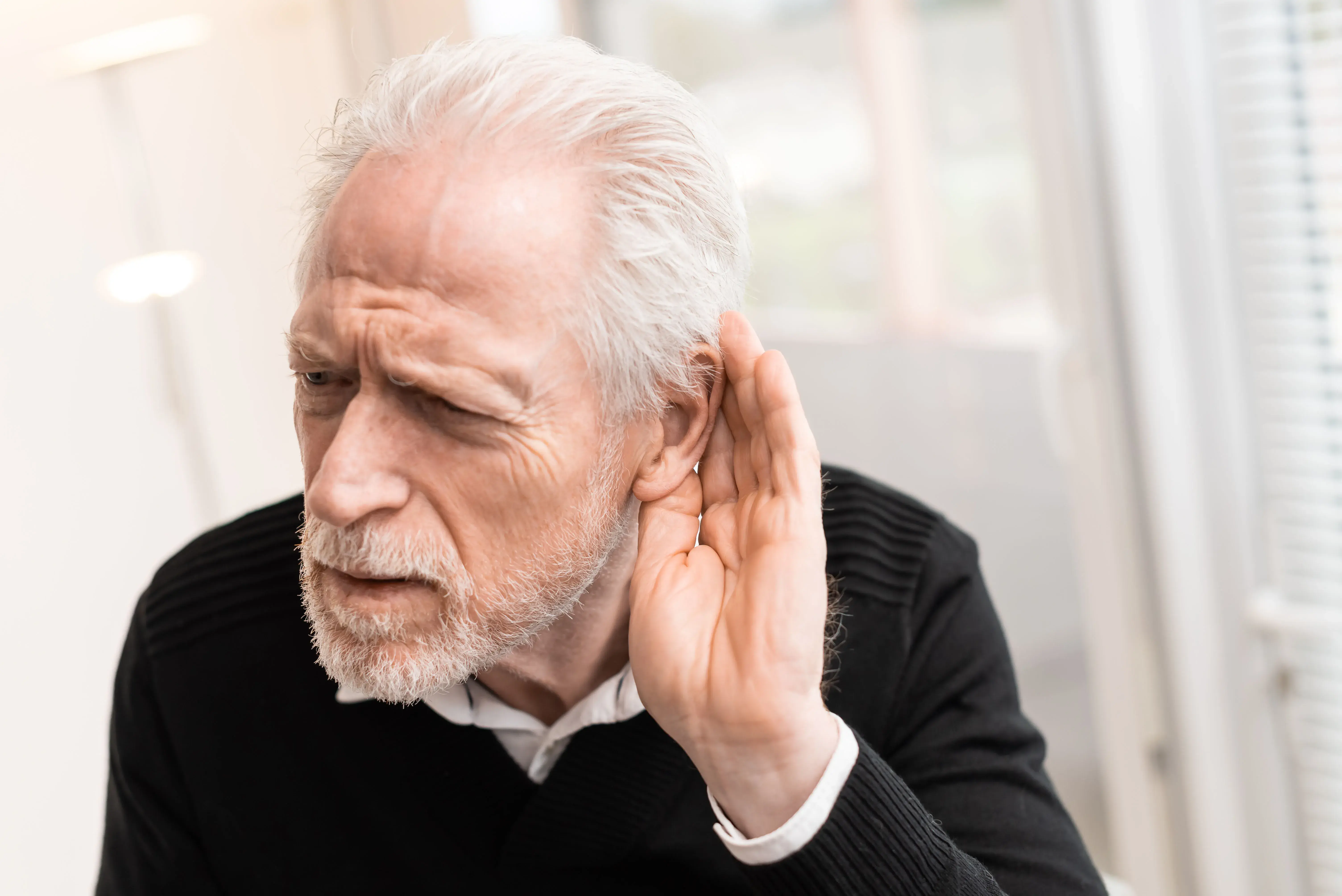
An older adult may hear the television, recognize the doorbell, and respond when someone calls their name, yet still struggle to follow a conversation at the dinner table. They may understand someone speaking directly to them in a quiet room but have difficulty following the same person's words in a busy restaurant.
This can be confusing for families. If someone can hear certain sounds, why do they repeatedly misunderstand ordinary speech? And why does speaking louder sometimes seem to make little difference?
The explanation often involves the difference between detecting sound and understanding language. Age-related hearing loss can affect the clarity of speech, particularly when several people are talking or background noise is present. Someone may hear a voice without being able to distinguish every word, making conversations more demanding than they appear.
Understanding these challenges can help families communicate more effectively, recognize when hearing evaluation may be beneficial, and support older adults in maintaining the relationships and everyday interactions that contribute to quality of life.
Hearing Sound Is Different From Understanding Speech
Hearing involves more than detecting whether a sound is loud or quiet. The auditory system must identify different frequencies, distinguish individual speech sounds, and transmit information to the brain for interpretation. The brain then uses language, context, and attention to make sense of what has been heard.
Age-related hearing loss, also called presbycusis, often affects higher-frequency sounds first. Certain consonants, including sounds such as "s," "f," and "th," may become more difficult to distinguish. Because consonants help differentiate words, losing access to these sounds can make speech seem muffled or incomplete even when the overall volume is adequate.
For example, someone may hear that another person is speaking but miss a word that changes the meaning of the sentence. They may attempt to fill in the missing information using context, which can work in familiar situations but becomes more difficult when the conversation moves quickly or the topic is unfamiliar.
This explains why simply speaking louder does not always solve the problem. Increasing volume may make speech more audible without restoring the clarity of sounds that are difficult to distinguish. In some cases, shouting can introduce distortion or discomfort, making communication even less effective.
Recognizing the difference between hearing and understanding is an important first step toward improving everyday conversations.
Why Background Noise Makes Conversations Harder
In a quiet environment, someone with mild hearing loss may follow a conversation relatively well. There are fewer competing sounds, and the person can focus attention on a single speaker. In a restaurant, however, background music, dishes, movement, and overlapping voices create a much more demanding listening environment.
The auditory system must separate the intended speaker from surrounding noise, a process sometimes described as understanding speech in noise. Hearing loss can make this separation more difficult, particularly when speech sounds are already less distinct.
An older adult may hear several people talking but struggle to identify the words spoken by the person sitting across from them. They may miss important details, ask for repetition, or rely heavily on facial expressions and context to understand what is happening.
This increased listening effort can become mentally exhausting. Following a conversation may require sustained concentration, leaving fewer resources available for remembering details, responding naturally, or enjoying the interaction.
Over time, someone may begin avoiding noisy restaurants, large gatherings, or other situations where communication feels frustrating. Families may interpret this change as reduced interest in social activities when the underlying problem is difficulty understanding speech.
Choosing quieter environments and reducing competing sounds can make a meaningful difference, even before hearing treatment is introduced.
Why Group Conversations Are Especially Challenging
Group conversations require people to shift attention rapidly between speakers, identify who is talking, interpret speech, and follow changes in topic. These tasks often happen automatically when hearing is functioning well, but they can become more demanding when hearing clarity is reduced.
Consider a family gathering where several people are discussing weekend plans. One person begins a story, another interrupts with a question, and someone across the table adds a comment. An older adult with hearing loss may miss the beginning of the exchange and struggle to understand the rest because important context is already missing.
The challenge becomes greater when speakers turn away, talk over one another, or begin speaking before the previous person has finished. Someone may be able to follow each individual voice in isolation but have difficulty keeping pace with the conversation as a whole.
As these experiences become more frequent, an older adult may participate less actively. They may smile, nod, or remain quiet rather than risk responding incorrectly. This behavior can be mistaken for disengagement, distraction, or even cognitive decline.
In reality, the person may still be interested in the discussion but unable to follow it comfortably.
Families can help by allowing one person to speak at a time, making sure the older adult can see the speaker, and avoiding rapid changes in topic without context. These adjustments can make conversations more inclusive without drawing unnecessary attention to the person's hearing difficulties.
Why Older Adults Sometimes Say Everyone Is Mumbling
A common complaint among people with age-related hearing loss is that other people seem to mumble. Someone may insist that family members are not speaking clearly, even when others have no difficulty understanding them.
This perception often reflects changes in how speech sounds are detected. Because certain frequencies become harder to hear, words may lose some of the acoustic details that make them understandable. The person may hear the general rhythm and volume of speech without clearly distinguishing individual consonants.
From their perspective, the speaker genuinely sounds unclear. Because they can still hear many everyday sounds, they may not recognize that their own hearing has changed.
Repeatedly telling someone that others are speaking normally is unlikely to improve communication and may create frustration. A more useful response is to adjust how the conversation takes place.
Facing the person, speaking clearly at a natural pace, and reducing background noise can improve understanding. If a particular sentence remains difficult to follow, using different words may be more effective than repeating the same phrase at a higher volume.
When complaints about mumbling become frequent, a hearing evaluation can help determine whether changes in hearing sensitivity or speech understanding are contributing.
Can Hearing Difficulties Affect Memory and Concentration?
Hearing loss can influence how someone processes and remembers information, particularly when conversations require considerable effort.
If an older adult misses part of a discussion, they may not retain the information accurately because they never heard it clearly in the first place. A family member may later ask about something discussed earlier and assume the person has forgotten, when the original message was incomplete or misunderstood.
Hearing difficulties can also increase the mental effort required to follow speech. Someone who must concentrate intensely on distinguishing words may have fewer attentional resources available for interpreting details or remembering the conversation.
These effects can sometimes resemble cognitive difficulties, but hearing loss and dementia are not the same condition. A person may have hearing impairment without cognitive decline, and hearing difficulties should not automatically be interpreted as evidence of Alzheimer's disease.
At the same time, hearing loss and cognitive impairment can occur together. Persistent changes in memory, attention, or reasoning deserve appropriate medical evaluation, even when hearing problems are present.
Research has identified an association between hearing loss and increased dementia risk, although hearing loss has not been established as a direct cause of Alzheimer's disease. The relationship remains an active area of investigation.
For families, the practical lesson is to consider hearing health when communication or memory concerns arise. Identifying hearing difficulties may improve everyday understanding and help healthcare professionals assess cognitive functioning more accurately.
Six Ways to Make Conversations Easier for Older Adults
Communication strategies can make a meaningful difference for someone experiencing hearing loss. These adjustments do not replace professional hearing evaluation or treatment, but they can reduce unnecessary frustration and help older adults remain engaged in conversations.
1. Face the Person When Speaking
Facial expressions, lip movements, and other visual cues provide useful information that supports speech understanding. Facing the person allows them to combine what they hear with what they see, which can be especially helpful when certain speech sounds are difficult to distinguish.
Try to speak from the same room rather than calling from a hallway or turning away while talking. Good lighting can also make facial expressions easier to see.
2. Reduce Background Noise
Televisions, music, kitchen appliances, and overlapping conversations can make speech more difficult to understand. Before beginning an important discussion, consider turning down competing sounds or moving to a quieter space.
In restaurants or social settings, choosing a quieter table and sitting where the person can see other speakers may improve communication.
3. Speak Clearly at a Natural Pace
Clear articulation and a comfortable speaking pace are generally more helpful than shouting. Exaggerating words or speaking unnaturally slowly can make speech harder to follow because it changes familiar speech patterns.
Use a natural tone, pause between ideas when appropriate, and make sure important information is communicated clearly.
4. Get the Person's Attention Before Speaking
Beginning a conversation before someone is listening can cause them to miss important context. Saying the person's name, making eye contact, or gently signaling that you would like to speak can help them prepare to focus on the conversation.
This is particularly useful when the person is engaged in another activity or when several people are present.
5. Rephrase Instead of Repeating the Same Words
When a sentence is misunderstood, repeating it more loudly may not solve the problem. If certain speech sounds are difficult to distinguish, the same words may remain unclear regardless of volume.
Try expressing the message differently or using a shorter sentence. Providing additional context can also help the person understand the intended meaning.
6. Allow Time for Responses
Understanding speech may require additional processing when hearing is impaired, especially in complex conversations. Allowing time for responses can reduce pressure and make interactions more comfortable.
Avoid interrupting, finishing sentences unnecessarily, or assuming that a delayed response means the person is not paying attention. A patient, respectful approach helps preserve confidence and encourages participation.
When a Hearing Evaluation May Help
Frequent misunderstandings, difficulty hearing conversations in noisy environments, increased television volume, and reduced participation in social activities are all reasons to consider a professional hearing assessment.
An audiologist can evaluate hearing thresholds, speech understanding, and other aspects of auditory function. The assessment may help identify the type and degree of hearing loss and determine whether hearing aids, assistive listening devices, or other interventions may be beneficial.
Hearing aids can improve access to speech sounds for many individuals, although results depend on the type of hearing loss, device fitting, and listening environment. Some people may also benefit from captioning, amplified phones, or other communication tools.
Families should recognize that hearing changes can have different causes. Earwax blockage, certain medical conditions, and other problems may contribute to hearing difficulties and require specific treatment.
Sudden hearing loss, particularly in one ear, requires urgent medical evaluation rather than waiting for a routine hearing appointment. Prompt assessment may be important because some causes are time-sensitive.
For gradual hearing changes, early evaluation can help identify appropriate support before communication difficulties begin to interfere more significantly with everyday life.
Supporting Meaningful Communication at Home
At TheKey, our Balanced Care Method® recognizes Connect with Others as one of six interconnected pillars that support healthy aging. Communication is central to maintaining relationships, participating in meaningful activities, and feeling connected to family, friends, and the broader community.
When hearing difficulties make conversations more demanding, older adults may begin participating less frequently in activities they previously enjoyed. Supporting communication can help preserve these opportunities for connection and reduce the frustration associated with repeated misunderstandings.
The Flex Your Mind pillar also emphasizes cognitive engagement, while Engage with Joy & Purpose encourages participation in activities that reflect individual interests and preferences. Clear communication can make these experiences more accessible and enjoyable.
Professional caregivers can use individualized communication strategies, reduce unnecessary distractions, and support the use of hearing aids or assistive devices as appropriate. They can also help older adults remain involved in conversations, hobbies, and social activities that contribute to emotional well-being.
Caregivers may observe changes in communication, responsiveness, or social participation and share these observations with families when additional hearing or medical evaluation may be beneficial.
The objective is not simply to make instructions easier to hear. It is to preserve opportunities for meaningful interaction, personal expression, and connection.
Frequently Asked Questions
Different sounds contain different frequencies and levels of clarity. Age-related hearing loss often affects higher-frequency speech sounds, making words harder to distinguish even when louder sounds remain audible. Television volume may also be easier to adjust than the sound of an everyday conversation.
Sometimes increasing volume can improve audibility, but it does not always improve speech clarity. Facing the person, reducing background noise, and speaking clearly at a natural pace may be more effective than shouting or repeatedly increasing volume.
Restaurants contain competing sounds, including conversations, music, dishes, and movement. Hearing loss can make it more difficult to separate the intended speaker from background noise, increasing the effort required to understand speech.
Hearing aids can improve access to speech sounds for many people with hearing loss. However, their effectiveness depends on the type and degree of hearing impairment, the listening environment, and appropriate fitting and adjustment. Communication strategies and assistive listening tools may provide additional benefits.
Yes. Someone who misunderstands questions or misses important information may respond in ways that appear confused or unrelated. Hearing difficulties can sometimes resemble cognitive problems, although hearing loss and cognitive impairment may also occur together. Persistent concerns should receive appropriate evaluation.
Communication Is More Than Volume
When an older adult struggles to follow conversations, the solution is not always to speak louder. Understanding how hearing loss affects speech clarity, listening effort, and communication in noisy environments can help families respond more effectively.
Practical adjustments, including facing the person, reducing background noise, and allowing time for responses, can make everyday interactions more comfortable. When hearing difficulties persist, professional evaluation can help identify appropriate treatment and support.
Better communication begins with recognizing the challenge and creating an environment where older adults can remain active participants in the conversations, relationships, and experiences that matter to them.