(866) 475-4967


Hearing Loss Affects Independence and Daily Life

When families think about an older parent's independence, they often focus on physical abilities. Can they walk safely, prepare meals, manage medications, or complete personal care without assistance? These are important considerations, but they represent only part of what it means to live independently.
Hearing also plays an essential role in navigating everyday life. The ability to understand conversations, communicate with healthcare professionals, recognize environmental sounds, and participate in social activities influences how someone manages daily responsibilities and maintains relationships.
When hearing changes, these activities can become more demanding even when physical abilities, memory, and decision-making remain relatively strong. An older adult who is fully capable of managing their own affairs may begin relying on family members simply because telephone conversations or medical appointments have become difficult to follow.
This distinction matters. Independence is not defined solely by whether someone can complete a task without assistance. It also involves having access to information, maintaining personal choice, and participating in decisions that affect one's life.
Recognizing the broader impact of hearing loss can help families introduce practical support that preserves confidence, safety, and autonomy rather than unnecessarily limiting what an older adult can do.
How Hearing Loss Changes Everyday Communication
Communication is woven into nearly every aspect of daily life. Scheduling appointments, speaking with a pharmacist, answering the telephone, discussing household needs, and participating in family conversations all require access to spoken information.
When hearing becomes difficult, these interactions may require additional concentration and effort. Someone may understand a conversation relatively well in a quiet room but struggle over the telephone or in an environment with competing background noise.
Age-related hearing loss often affects the clarity of speech rather than simply reducing overall volume. An older adult may hear that someone is speaking but have difficulty distinguishing certain words, particularly when the speaker turns away or talks quickly.
Over time, repeated misunderstandings can change how someone approaches ordinary responsibilities. A person who previously scheduled appointments independently may begin asking a family member to make phone calls. Someone who once handled conversations with service providers may prefer to have another person present to clarify information.
These adaptations can be useful, but they may also create an unnecessary sense of dependence if the underlying communication barrier is not addressed.
The important question is whether the person needs help making decisions or simply needs information presented in a more accessible way. Improving communication access can allow older adults to continue managing responsibilities that remain well within their abilities.
How Hearing Loss Can Affect Healthcare and Medical Decisions
Understanding medical information is an important part of managing health, particularly for older adults living with chronic conditions or taking multiple medications.
Healthcare appointments often involve detailed explanations about symptoms, diagnoses, treatment options, medication instructions, and follow-up care. These conversations can be difficult to follow when hearing is impaired, especially in busy clinical environments where providers may speak quickly or background noise is present.
An older adult may hesitate to ask for repetition because they feel embarrassed or do not want to interrupt. In other situations, they may believe they understood an instruction but miss an important detail about medication timing or the next appointment.
These misunderstandings can create practical challenges, even when the person is otherwise capable of managing their health independently.
Families can help by encouraging healthcare professionals to face the patient, speak clearly, and reduce competing noise whenever possible. Written visit summaries, medication instructions, and appointment details can provide a useful reference after the conversation.
Assistive listening devices, captioning services, or other accessibility tools may also improve communication in certain settings.
Most importantly, the older adult should remain directly involved in healthcare conversations whenever possible. Family members can help clarify information, but support should not automatically mean speaking on the person's behalf or excluding them from decisions.
Preserving independence includes ensuring that people can understand their care options, ask questions, express preferences, and participate meaningfully in decisions about their health.
Hearing Loss and Safety at Home
Hearing helps people recognize important environmental cues, including doorbells, smoke alarms, approaching vehicles, and other sounds that signal changes in their surroundings.
When hearing becomes impaired, some of these signals may be harder to detect. The level of risk depends on the person's hearing abilities, the frequency and volume of the sound, and the environment in which it occurs.
For example, someone may hear a loud appliance but have difficulty detecting a higher-pitched alert. Another person may struggle to hear a doorbell from a different room or recognize someone calling for attention.
These challenges do not necessarily mean that an older adult cannot live safely at home. Rather, they highlight the importance of making the environment accessible to the person's sensory needs.
Visual and vibrating alert systems may provide additional ways to recognize important signals. Some smoke and carbon monoxide alarm systems are designed for people with hearing loss and use specialized visual or tactile notifications. Appropriate equipment should meet applicable safety standards and be selected for the individual's needs.
Captioned communication devices, visual doorbell notifications, and other accessible technologies may also help someone manage daily routines with greater confidence.
Families should avoid assuming that increasing the volume of every device is the best solution. Some sounds may remain difficult to distinguish, and excessive volume can create discomfort without improving understanding.
An audiologist or occupational therapist can help identify appropriate accommodations based on the person's hearing abilities, home environment, and daily activities.
Why Hearing Loss Can Affect Confidence and Self-Reliance
Repeated communication difficulties can influence how someone feels about participating in everyday activities.
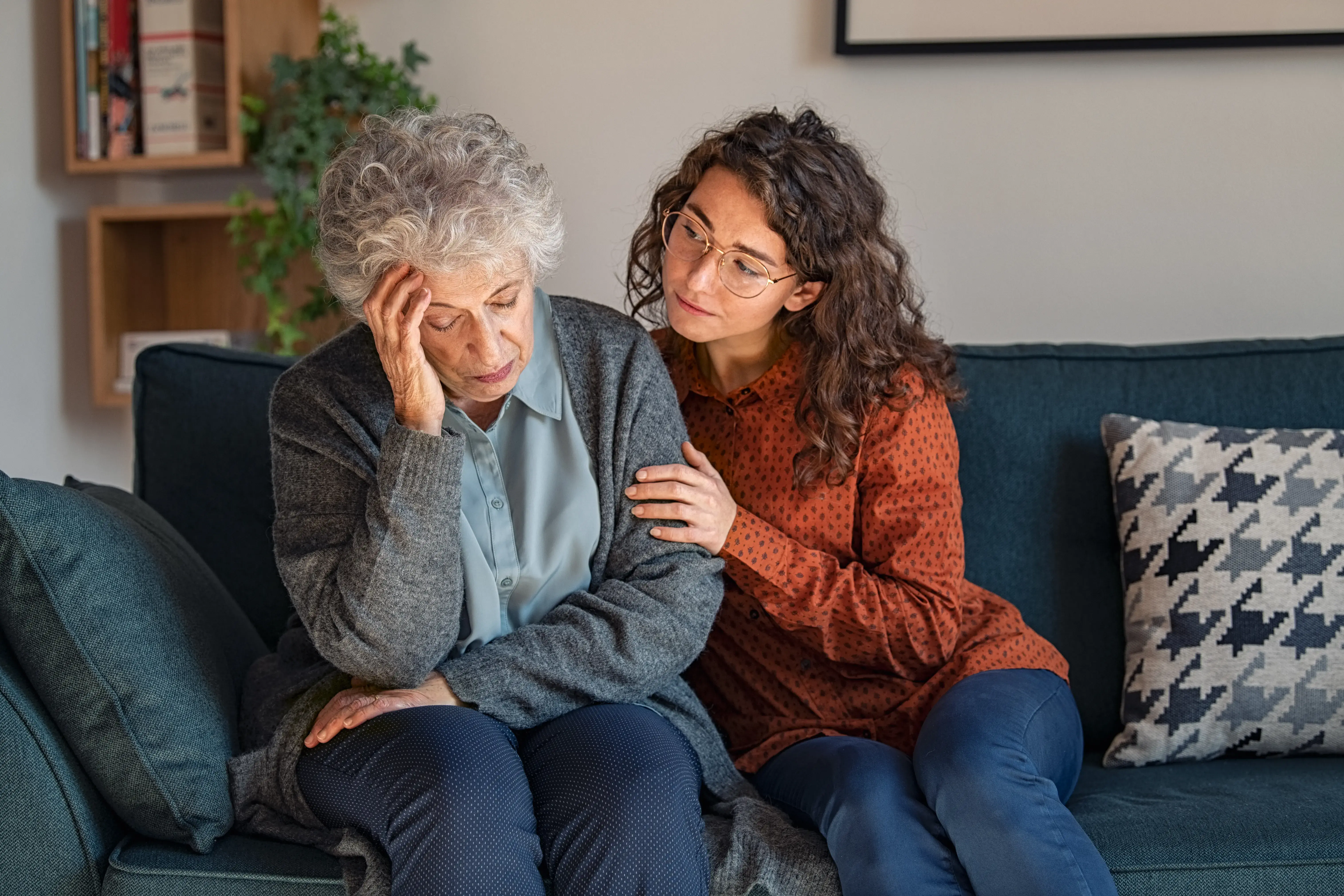
An older adult may become embarrassed after responding incorrectly to a question, frustrated when they repeatedly ask others to speak more clearly, or uncomfortable when conversations move too quickly to follow.
These experiences may seem minor when considered individually, but their cumulative effect can be significant. Someone who once felt comfortable handling appointments, social interactions, and household responsibilities may begin avoiding situations where misunderstandings are likely.
Over time, the person may rely more heavily on family members, not because their judgment or abilities have declined, but because communication has become difficult or exhausting.
This can create a cycle in which reduced confidence leads to less participation, and fewer opportunities to participate make the person feel increasingly dependent.
Families can help interrupt this pattern by addressing communication barriers rather than automatically taking over responsibilities.
For example, instead of making every appointment on a parent's behalf, a family member might help identify an accessible scheduling method. Rather than answering questions for the person during a medical visit, they might ensure that the clinician communicates clearly and allows sufficient time for responses.
These adjustments recognize that the need for communication support is not the same as an inability to make decisions.
Preserving autonomy means helping older adults continue using their abilities while providing assistance where it is genuinely needed.
The Relationship Between Hearing Loss and Social Participation
Social connection is an important part of emotional well-being and healthy aging. Conversations with friends, family gatherings, community activities, and shared experiences provide opportunities for enjoyment, companionship, and meaningful engagement.
Hearing loss can make these experiences more demanding, particularly when several people are speaking or background noise is present.
An older adult may enjoy one-on-one conversations but struggle during large family dinners. They may find religious services, community meetings, or social events difficult to follow because speech sounds unclear or competing noise makes it hard to concentrate.
As communication becomes more frustrating, some individuals begin participating less frequently. They may decline invitations, remain quiet during gatherings, or choose activities that require less conversation.
Family members may interpret these changes as reduced interest in socializing, when the person may still value those relationships but find the listening environment exhausting.
This distinction is important because social withdrawal can affect emotional well-being and reduce opportunities for cognitive engagement.
Research has identified associations between hearing loss, loneliness, and cognitive decline, although these relationships are complex and do not establish that hearing impairment directly causes dementia.
Supporting hearing health can help preserve access to social experiences, regardless of whether treatment changes long-term cognitive outcomes.
Families can make participation easier by choosing quieter environments, encouraging smaller gatherings, reducing competing noise, and using communication strategies that reflect the person's needs.
The objective is not to eliminate every communication challenge but to make meaningful interactions more accessible and enjoyable.
Practical Ways to Support Independence With Hearing Loss
Hearing difficulties do not have to result in a loss of autonomy. Families can make practical adjustments that help older adults continue managing responsibilities, participating in conversations, and making decisions.
1. Improve Communication Access
Face the person when speaking, reduce background noise, and use clear speech at a natural pace. Avoid talking from another room or assuming that speaking louder will always improve understanding.
When information is important, confirm that the message was understood without making the person feel tested or criticized.
2. Encourage a Professional Hearing Evaluation
An audiologist can assess hearing function, identify the type and degree of hearing loss, and recommend appropriate treatment or communication strategies.
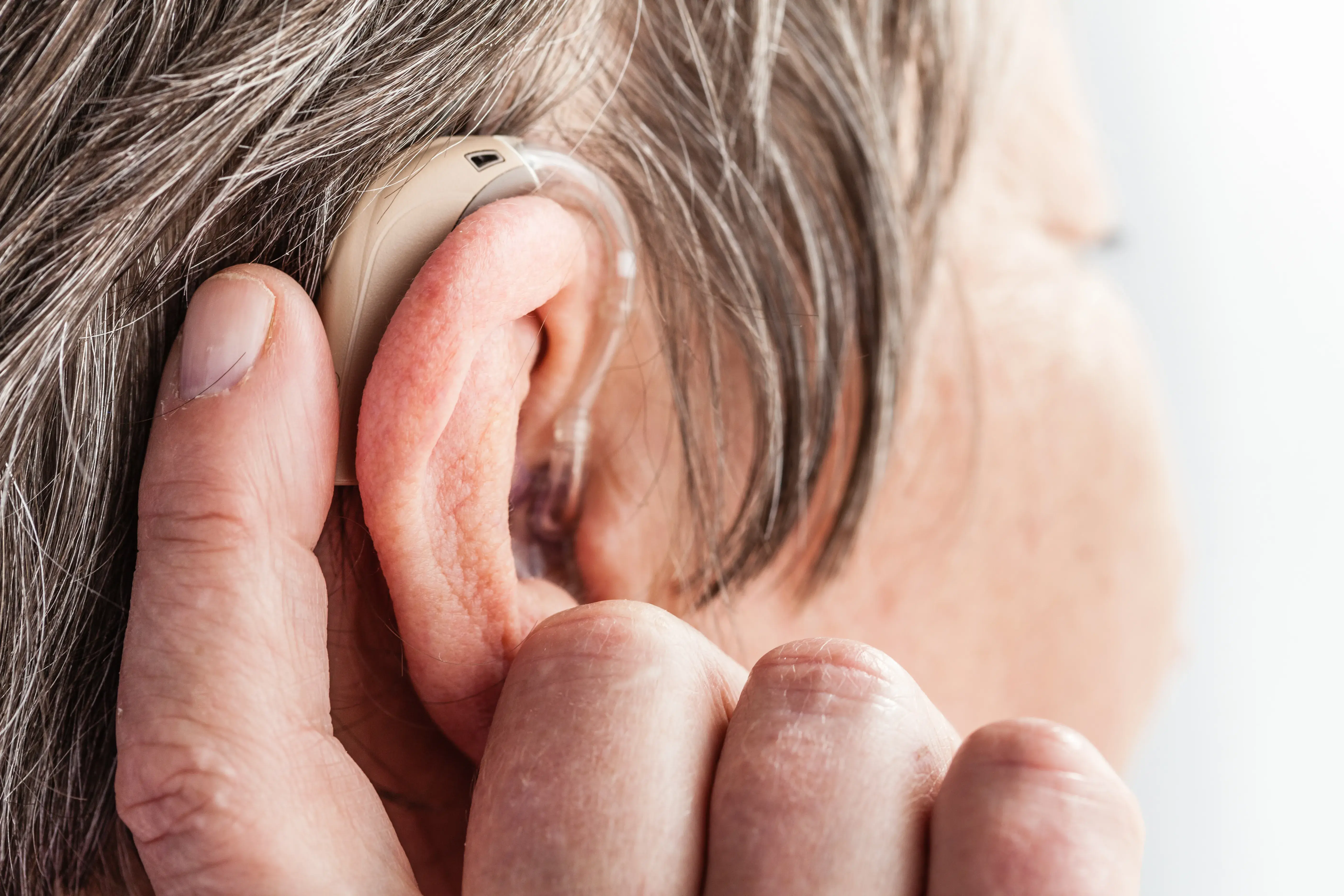
Some hearing difficulties have treatable causes, while others may benefit from hearing aids or assistive technology. Evaluation provides a clearer understanding of available options.
3. Adapt Everyday Technology
Captioned telephones, television captions, visual notifications, and other accessibility features can make everyday activities easier to manage.
Many smartphones and digital devices include hearing-related accessibility settings that may improve communication. Families can help identify and configure features that match the person's preferences and comfort with technology.
4. Provide Important Information in Accessible Formats
Appointment details, medication instructions, household reminders, and other important information should be available in formats the person can use reliably.
Written summaries, calendars, text messages, and visual reminders may reduce dependence on spoken instructions alone. The most effective approach reflects the individual's vision, cognitive abilities, and personal preferences.
5. Preserve Decision-Making and Personal Choice
Hearing loss does not automatically affect someone's ability to reason, understand choices, or make decisions.
Families should continue addressing the older adult directly, asking about preferences, and allowing sufficient time for responses. Assistance should support access to information rather than unnecessarily replacing the person's participation.
6. Support Meaningful Activities and Relationships
Encourage participation in activities that remain enjoyable and accessible. Quieter restaurants, smaller gatherings, accessible community programs, and activities with visual or hands-on components may be easier to navigate.
When hearing difficulties interfere with a favorite activity, consider whether adjustments can help the person continue participating rather than assuming the activity is no longer appropriate.
When Additional Assistance May Be Helpful
Hearing loss alone does not necessarily mean that an older adult requires home care. Many people with hearing impairment continue living independently, particularly when appropriate hearing treatment, communication strategies, and accessible technology are available.
However, additional support may be helpful when hearing difficulties occur alongside other challenges, such as mobility limitations, cognitive changes, vision problems, or difficulty managing daily responsibilities.
For example, someone with hearing loss and arthritis may have difficulty traveling to appointments independently. Another person may experience hearing impairment alongside memory changes that make it harder to manage complex medical instructions.
In these situations, support should be based on the person's overall functional needs rather than hearing loss alone.
Professional caregivers may assist with transportation, appointment preparation, household routines, personal care, and social engagement. They can also use individualized communication techniques and help reinforce accessible routines.
Caregivers may observe changes in hearing-related communication, participation, or everyday functioning and share these observations with families when further evaluation may be appropriate.
The appropriate level of assistance depends on the individual's abilities, preferences, health conditions, and environment. The goal is to provide support where needed while preserving as much independence as possible.
Hearing Health and TheKey's Balanced Care Method®
At TheKey, our Balanced Care Method® recognizes that healthy aging involves interconnected aspects of physical, cognitive, emotional, and social well-being.
The Connect with Others pillar is particularly relevant when hearing difficulties interfere with relationships and social participation. Communication is central to maintaining meaningful connections, and addressing hearing barriers can help older adults remain involved in conversations and activities that matter to them.
Engage with Joy & Purpose encourages participation in activities that reflect individual interests and provide a sense of meaning. Hearing difficulties may require adjustments to how these activities are experienced, but they do not eliminate the value of continued participation.
Flex Your Mind emphasizes opportunities for cognitive engagement through meaningful stimulation and everyday experiences. Accessible communication can help older adults remain involved in conversations, learning, and activities that encourage mental engagement.
Professional caregivers can help adapt routines, reduce unnecessary communication barriers, and support the use of hearing aids or assistive devices as appropriate. They can also encourage participation in social and recreational activities while respecting the person's preferences and abilities.
The broader objective is to support the whole person, recognizing that hearing health influences far more than the ability to detect sound. It can affect confidence, relationships, everyday functioning, and the sense of control that contributes to independence.
Frequently Asked Questions
Yes. Many older adults with hearing loss continue living independently, particularly when communication needs are addressed and appropriate hearing technology or accessibility tools are available. The level of support needed depends on overall health, functional abilities, and individual circumstances.
Hearing loss can make certain auditory signals, including alarms, doorbells, and other environmental sounds, harder to detect. Visual and vibrating alert systems may improve accessibility when ordinary audible notifications are insufficient.
Yes. Repeated misunderstandings and difficult conversations may contribute to frustration, embarrassment, or reduced confidence. Improving communication access can help older adults remain comfortable participating in everyday responsibilities and social activities.
No. Hearing impairment does not automatically affect decision-making capacity. Someone may need information presented more clearly or in a different format while remaining fully capable of understanding options and making personal choices.
Additional assistance may be helpful when hearing difficulties occur alongside mobility limitations, cognitive changes, or other challenges that affect safety, communication, or daily functioning. Support should reflect the individual's needs and preserve independence whenever possible.
Independence Includes Being Heard
Hearing loss may change how an older adult interacts with the world, but it does not eliminate their ability to make choices, maintain relationships, or participate in meaningful activities.
With appropriate evaluation, accessible communication, and individualized support, many older adults can continue managing daily life with confidence. Families can play an important role by recognizing communication barriers, introducing practical accommodations, and resisting the assumption that needing help hearing means needing someone else to take over.
Preserving independence means more than helping someone complete everyday tasks. It means ensuring they can understand information, express preferences, participate in decisions, and remain connected to the people and experiences that give life meaning.