

Parkinson's Disease Resource Center
Parkinson's disease can affect movement, sleep, communication, and everyday routines in different ways. Explore practical resources to help understand symptoms, support independence, improve home safety, and plan for changing care needs.
Parkinson's Disease at a Glance
Explore trusted guidance on understanding symptoms, supporting movement and daily routines, improving sleep and safety, and finding the right support for your loved one.
Where Would You Like to Begin?
Every family’s journey is different. Start with the information that’s most helpful to you.
Understand Parkinson's
Learn what Parkinson's disease is, how it affects the body, and the early signs families may notice.
Manage Movement Changes
Explore practical ways to support mobility, balance, and everyday movement changes.
Support Daily Activities
Find guidance on everyday routines, caregiving, and when in-home support may help.
Explore Home Care
Learn how personalized home care can support independence and familiar routines.
Parkinson's Disease Guides & Resources
Explore our guides to learn more about Parkinson's disease, understand movement and daily living changes, and plan for safety and care at home.
Understanding Parkinson's

What Is Parkinson's Disease?
Learn what Parkinson's disease is, how it affects movement and the brain, and why understanding the condition can help families plan for changing needs.

Parkinson's Disease: Understanding the Signs
Explore common early signs of Parkinson's disease, from tremor and stiffness to slower movement, and learn when to talk with a healthcare professional.
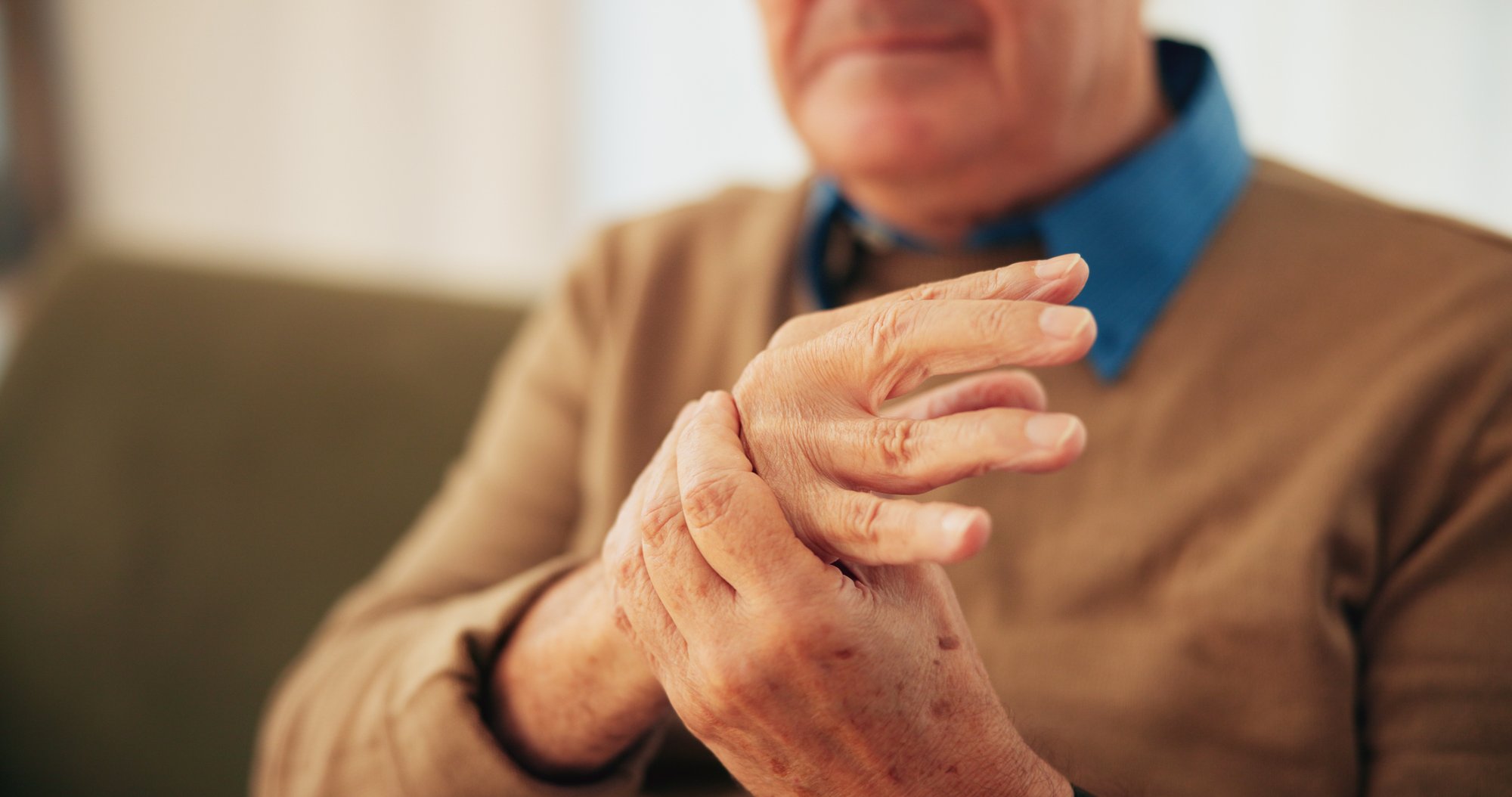
When Hands Begin to Shake
Understand why hands may begin to shake, how Parkinson's tremor can differ from other types of tremor, and when to seek medical evaluation.
Movement, Mobility & Daily Living
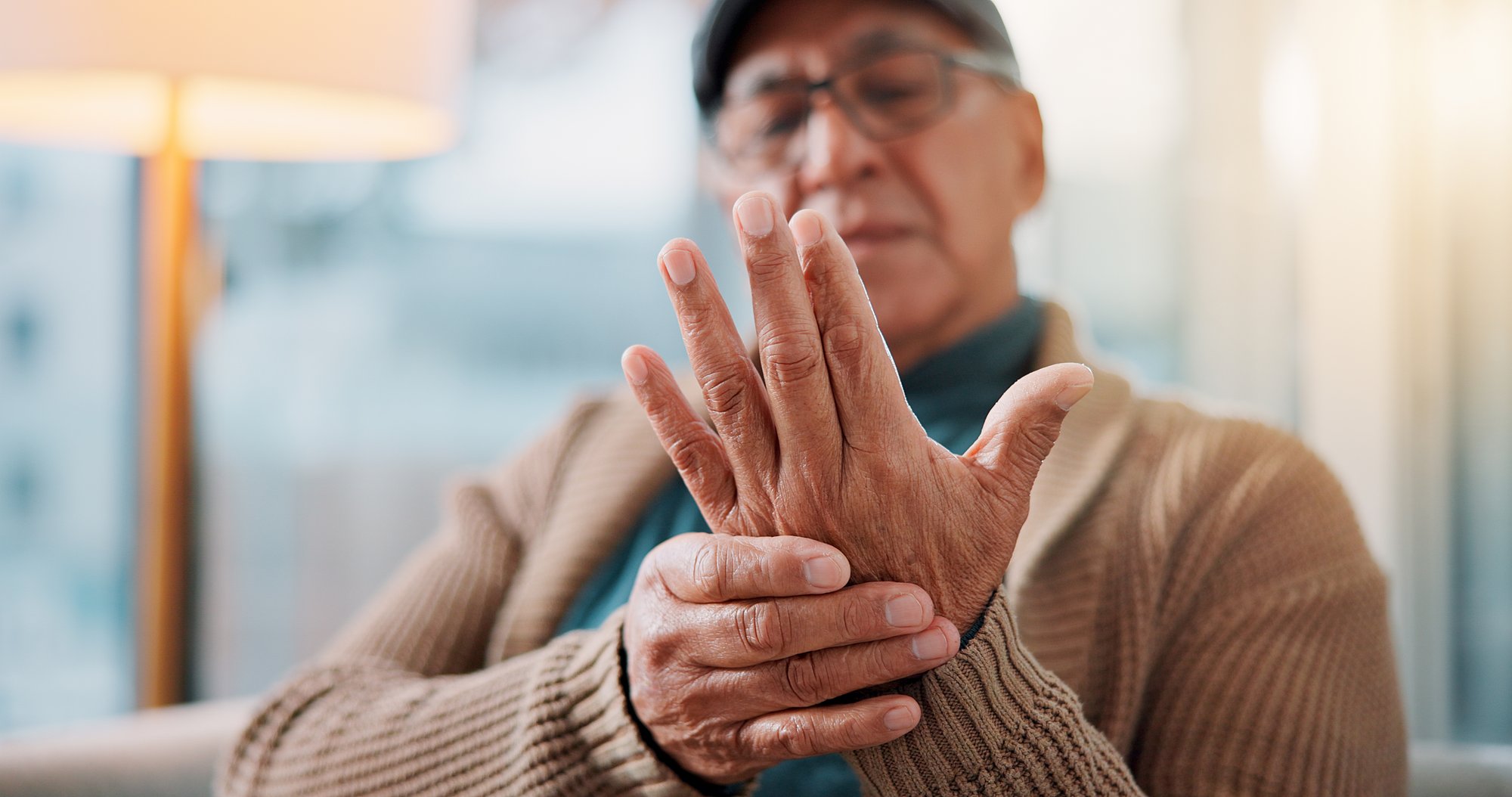
The Parkinson's Daily Care Guide
Find practical guidance for supporting daily routines with Parkinson's, including mobility, safety, comfort, and ways caregivers can help maintain independence at home.

Parkinson's at Night
Understand common nighttime challenges with Parkinson's, including sleep disruption, stiffness, and restlessness, and explore ways to support safer, more restful nights.

Parkinson's & Nutrition: What to Eat for Brain & Body
Learn how nutrition can support brain and body health with Parkinson's, including meal ideas, hydration, and eating considerations for older adults.

Understanding and Supporting Parkinson's at Home
Discover ways families can understand Parkinson's symptoms and create a supportive home environment that encourages safety, comfort, and independence.
Caregiving & Home Care

Caring for a Loved One With Parkinson's
Learn how to support a loved one with Parkinson's, from daily routines and communication to safety, comfort, and caring for your own well-being.

Parkinson's Family Care at Home: A Guide
Explore how families can provide Parkinson's care at home, including daily support, home safety, and knowing when additional help may be useful.

Parkinson's & In-Home Care: Staying Independent at Home
Find out how in-home care can help people with Parkinson's maintain independence, follow familiar routines, and receive support with everyday activities.


Personalized Home Care for People Living With Parkinson's
Common Questions — Parkinson's Disease
Early signs of Parkinson's disease may include a tremor in one hand, slower movement, muscle stiffness, smaller handwriting, reduced facial expression, or changes in walking. Some people also experience constipation, sleep disturbances, or a reduced sense of smell before noticeable movement symptoms develop. Because these symptoms can have different causes, a healthcare professional should evaluate persistent changes.
Parkinson's disease can affect the brain systems responsible for coordinating movement. As a result, walking may become slower, steps may become shorter, and the feet may appear to shuffle along the floor. Reduced arm swing, stiffness, and balance difficulties may also develop. A healthcare professional or physical therapist can assess walking changes and recommend appropriate strategies.
Freezing of gait occurs when a person temporarily feels unable to take the next step, even though they intend to move. Episodes may happen when starting to walk, turning, approaching a doorway, or navigating a crowded space. Freezing can increase fall risk. Movement strategies, physical therapy, and medical management may help, depending on the individual's symptoms.
Parkinson's disease may disrupt sleep through muscle stiffness, difficulty changing positions, nighttime urination, vivid dreams, or movement-related sleep disorders. Some people also experience daytime sleepiness. Consistent routines and a comfortable sleeping environment may help, but persistent sleep problems should be discussed with a healthcare professional because medication effects and treatable sleep conditions may contribute.
Families can improve safety by removing loose rugs, keeping walkways clear, adding appropriate lighting, and considering grab bars or other recommended supports. Allowing extra time for movement and avoiding rushed transitions may also help. An occupational or physical therapist can assess the home and recommend adjustments tailored to the person's mobility and balance needs.
Home care may become helpful when Parkinson's symptoms make bathing, dressing, preparing meals, walking safely, or maintaining daily routines more difficult. Caregivers can assist with everyday activities, companionship, and mobility-related routines within their training and scope. The amount of support needed may change as symptoms progress.
Let's Talk About Care at Home
Whether you're exploring care options or looking for additional support at home, our team is here to listen, answer questions, and help you understand your options.