(866) 475-4967


When Hands Begin to Shake: Essential Tremor vs. Parkinson's—and What Families Should Know
Not every tremor is a sign of Parkinson's disease. Understanding how essential tremor and Parkinson's differ can help families recognize meaningful changes, seek appropriate medical evaluation, and support independence as everyday tasks become more difficult.
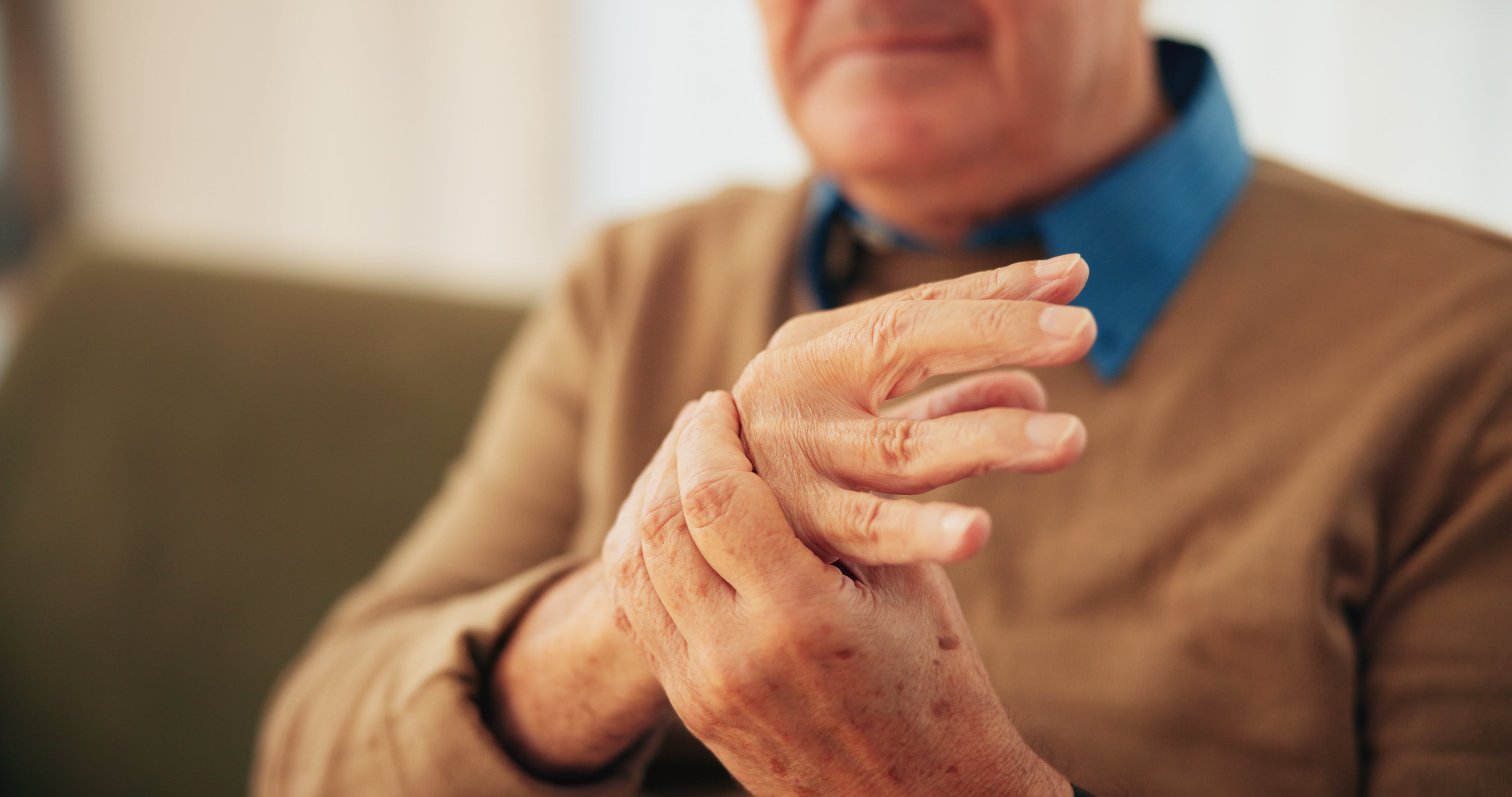
A woman who has spent decades preparing meals for her family begins noticing that her hands shake when she lifts a cup or measures ingredients. At first, the change is subtle enough to dismiss. Over time, however, she finds herself using both hands to carry a glass, avoiding certain utensils, and becoming increasingly self-conscious when eating with others. Her family notices the shaking and begins to wonder whether it could be Parkinson's disease.
That concern is understandable. Tremor is one of the most recognizable symptoms associated with Parkinson's, yet shaking hands can have several different causes. Essential tremor, a common movement disorder, can produce symptoms that resemble Parkinsonian tremor but differs in important ways, including when the shaking occurs, which movements are affected, and whether other neurological changes are present.
For families, the distinction matters because a tremor is not a diagnosis. Understanding the pattern of symptoms can help guide conversations with healthcare professionals, but determining the cause requires a clinical evaluation.
Equally important is recognizing how these changes affect daily life. Whether someone is experiencing essential tremor, Parkinson's disease, or another condition, difficulty eating, dressing, writing, or participating in familiar activities can influence confidence and independence long before more extensive assistance is needed.
What Is Essential Tremor?
Essential tremor is a neurological movement disorder characterized primarily by involuntary, rhythmic shaking. It most commonly affects the hands and arms, although the head, voice, and other parts of the body may also be involved.
The tremor typically becomes noticeable when a person is using their hands or maintaining a position against gravity. Activities such as holding a cup, writing, eating with utensils, or reaching for an object may make the shaking more apparent.
Symptoms can vary considerably. Some individuals experience a mild tremor that has little effect on daily life, while others develop more pronounced shaking that interferes with fine motor activities.
Essential tremor can occur at different ages, although it becomes more common with advancing age. It may run in families, but a family history is not necessary for diagnosis.
The condition is generally associated with movement-related tremor rather than the broader pattern of motor symptoms characteristic of Parkinson's disease.
However, essential tremor is not always limited to shaking, and the clinical features of different movement disorders can overlap. This is one reason an evaluation by a neurologist, particularly a movement disorders specialist when needed, can be valuable.
What Is Parkinson's Disease?
Parkinson's disease is a progressive neurological disorder that affects movement and several other functions.
It is associated with the loss of dopamine-producing neurons in an area of the brain involved in movement regulation.
The characteristic motor features of Parkinson's include slowness of movement, known as bradykinesia, along with symptoms such as resting tremor, muscle rigidity, and changes in walking or balance.
Not everyone with Parkinson's develops a noticeable tremor. For some individuals, the earliest changes involve smaller handwriting, reduced arm swing while walking, difficulty with fine motor tasks, or movements that become slower and less automatic.
Parkinson's can also involve nonmotor symptoms, including constipation, changes in sleep, reduced sense of smell, mood changes, and autonomic difficulties. Some of these symptoms may appear before more recognizable movement changes.
Because Parkinson's affects more than the hands, a clinical assessment considers the overall pattern of symptoms rather than the presence or absence of shaking alone.
Essential Tremor vs. Parkinson's: Understanding the Differences
One of the most useful distinctions is when the tremor occurs.
Essential tremor is typically an action tremor, meaning it becomes apparent during movement or while maintaining a posture. Parkinsonian tremor more commonly occurs when the affected body part is at rest, although tremor can also appear during posture or movement in Parkinson's disease.
This distinction can help guide an evaluation, but it is not absolute. Some people with longstanding essential tremor develop rest tremor, and some people with Parkinson's experience action tremor.
| Clinical feature | Essential tremor | Parkinson's disease |
| When shaking is most noticeable | Usually during movement or while holding a position | Often at rest, although other tremor patterns can occur |
| Commonly affected areas | Hands and arms; sometimes head or voice | Often begins in one hand; may affect limbs, jaw, or other areas |
| Pattern at onset | Often affects both hands, sometimes unevenly | Frequently begins on one side of the body |
| Slowness of movement | Not a defining feature | A core feature of Parkinsonism |
| Muscle rigidity | Not characteristic of uncomplicated essential tremor | Common |
| Walking and balance changes | May occur in some individuals, particularly with longstanding disease | Can develop as part of the condition |
| Handwriting changes | Writing may become shaky or difficult to control | Handwriting may become progressively smaller |
| Nonmotor symptoms | Not characterized by the typical Parkinson's nonmotor syndrome | May include constipation, sleep disturbances, and reduced sense of smell |
| Clinical course | Often progresses gradually, with variable severity | Progressive, with motor and nonmotor symptoms evolving over time |
These differences are useful for understanding the conditions, but no single feature can reliably distinguish them in every person.
A tremor may also be caused or worsened by medications, thyroid disorders, anxiety, changes in blood glucose, or other neurological conditions. Families should avoid assuming that shaking is necessarily essential tremor or Parkinson's disease.
Why Tremors May Become More Noticeable With Age
Tremor is not an inevitable part of aging, but several factors can make shaking more noticeable in older adults.
Essential tremor becomes more prevalent with age, and symptoms may gradually become more pronounced over time. In addition, age-related changes in strength, vision, coordination, and physical resilience can make even a relatively mild tremor more disruptive.
For example, someone with arthritis or reduced grip strength may find it harder to stabilize a cup when their hands shake. A person experiencing vision changes may have greater difficulty completing tasks that require precise movements.
Medications and other health conditions can also contribute. Certain drugs may cause or worsen tremor, while caffeine, fatigue, stress, and poor sleep can temporarily increase shaking in some individuals.
These factors matter because the functional impact of a tremor depends on more than its neurological severity.
Two people with similar symptoms may experience very different levels of difficulty depending on their health, routines, environment, and the activities that matter most to them.
Early Signs Families Should Pay Attention To
A new or worsening tremor deserves attention, particularly when it begins affecting familiar activities or occurs alongside other neurological changes.
Families may notice subtle differences before the individual identifies them as a concern.
| Observable change | What it may suggest | Why it deserves attention |
| Shaking while holding a cup or using utensils | An action or postural tremor | May interfere with eating and hydration |
| Shaking when a hand is resting in the lap | A possible resting tremor | Warrants evaluation for Parkinsonism and other causes |
| Increasing difficulty writing | Tremor, changes in coordination, or slowed movement | May affect communication and daily responsibilities |
| Progressively smaller handwriting | Possible bradykinesia | Can be a feature of Parkinson's disease |
| Reduced arm swing while walking | Changes in automatic movement | May be associated with Parkinsonism |
| Difficulty fastening buttons or managing clothing | Tremor, rigidity, slowness, or another motor difficulty | May indicate emerging personal care needs |
| Changes in walking, turning, or balance | Possible neurological or musculoskeletal changes | May increase fall risk |
| New difficulty speaking or swallowing | Potential neurological or other medical concern | Requires clinical assessment |
The pattern and progression of these changes are often more informative than an isolated symptom.
A person who has always had a mild tremor may experience a gradual increase in difficulty over several years. Someone else may develop shaking over a much shorter period, particularly after starting a new medication.
Sudden-onset tremor or rapidly developing neurological symptoms require prompt medical evaluation. If shaking occurs alongside sudden weakness, facial drooping, speech difficulty, or other signs of stroke, emergency care is necessary.
How Tremors Affect Everyday Independence
The impact of a movement disorder is not always reflected in how noticeable the tremor appears to others.
A person may have relatively mild shaking but experience significant frustration because it interferes with activities central to their identity.
Someone who enjoys cooking may stop preparing meals because chopping vegetables or measuring ingredients has become difficult. A person who has always taken pride in handwritten correspondence may become reluctant to write cards or letters. Others may begin avoiding restaurants because they worry about spilling food or drawing attention to their shaking hands.
These changes can affect confidence, social participation, and emotional well-being.
Families may respond by taking over tasks, particularly when they see someone struggling. While assistance can be helpful, automatically removing responsibilities may unintentionally reduce opportunities for continued participation.
A more supportive approach begins by identifying which parts of an activity have become difficult and whether adaptations can make the task more manageable.
For example, someone who struggles to carry a full glass may benefit from a cup with a secure lid or an easier-to-grip handle. A person who finds writing difficult may prefer voice-to-text technology for some communications while continuing to write when comfortable.
The objective is not to preserve every task in exactly the same form. It is to maintain the person's ability to participate in meaningful activities with as much independence as possible.
Practical Strategies for Managing Tremors at Home
Support should reflect the individual's diagnosis, abilities, and preferences. Some strategies may be helpful for essential tremor, Parkinson's disease, or other movement difficulties, while others require more specialized guidance.
1. Adapt Eating and Drinking Routines
Tremors can make meals frustrating, particularly when utensils require precise control.
Some individuals benefit from utensils with larger grips, nonslip placemats, plates with raised edges, or cups designed to reduce spilling.
Weighted utensils are sometimes used, although their effectiveness varies and they may be uncomfortable for people with weakness or fatigue.
An occupational therapist can help determine which adaptations are appropriate.
If tremor or other motor symptoms begin affecting food intake, hydration, or swallowing safety, the person's healthcare team should be involved.
2. Simplify Dressing and Grooming
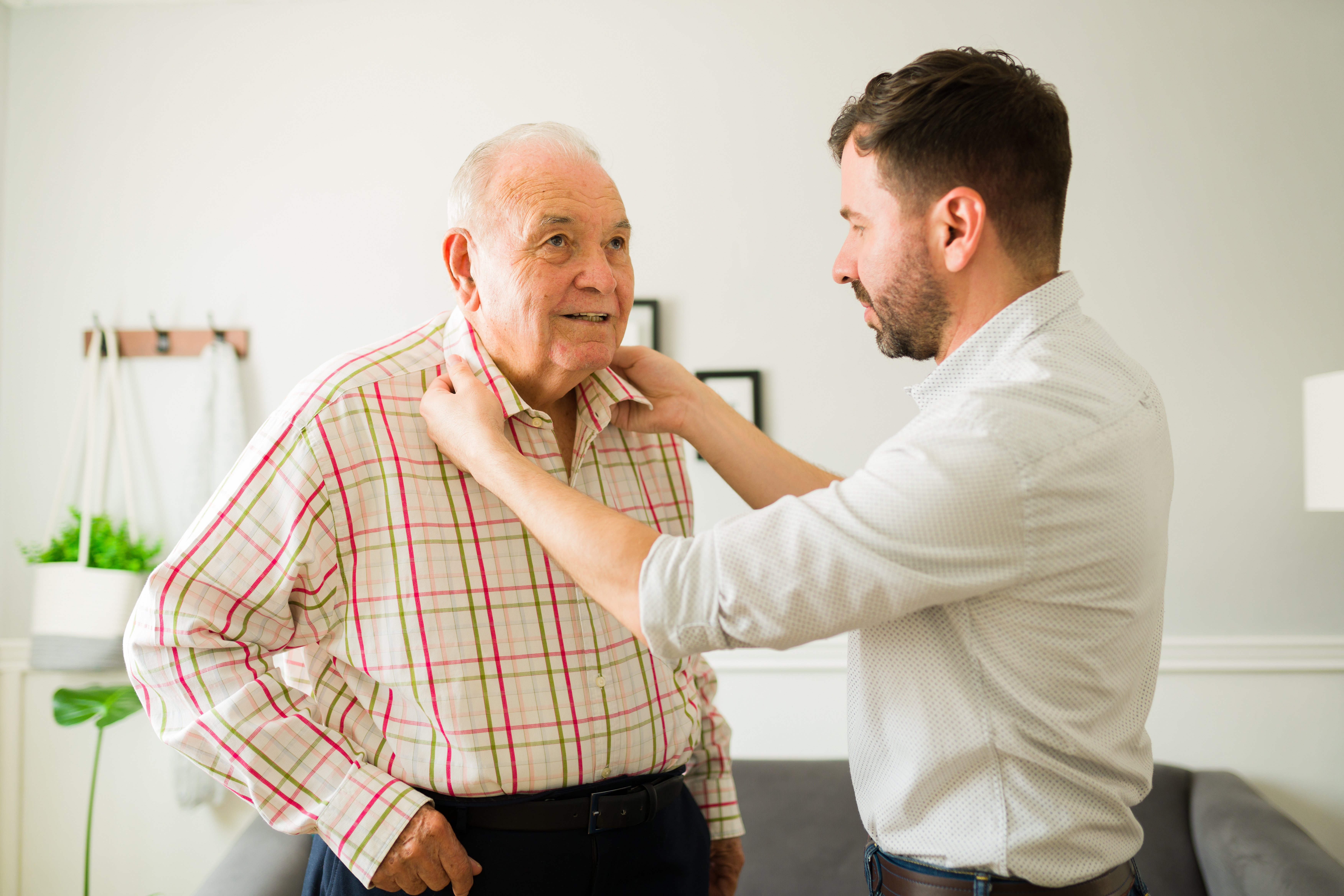
Buttons, zippers, jewelry clasps, and grooming tools may become difficult to manage when fine motor control changes.
Clothing with easier fasteners, larger zipper pulls, or adaptive features may reduce frustration.
Electric grooming devices or tools with larger handles may also be helpful for some individuals.
These adjustments should be guided by what the person finds comfortable and practical rather than replacing familiar routines unnecessarily.
3. Support Safe Movement
Tremor alone does not necessarily create a significant fall risk. However, Parkinson's disease and some other neurological conditions can affect balance, gait, and postural stability.
Families should pay attention to changes in walking speed, turning, transfers, and confidence during movement.
Physical therapy may help address mobility, strength, and balance concerns. Home safety modifications may also be appropriate when instability is present.
Mobility aids should be selected and fitted with professional guidance.
4. Reduce Unnecessary Stress and Fatigue
Stress, anxiety, fatigue, and poor sleep can make tremors more noticeable in some individuals.
Predictable routines, adequate rest, and opportunities to complete tasks without rushing may help reduce frustration.
This does not mean that tremor is caused by anxiety or that relaxation can treat the underlying neurological condition.
Rather, managing contributing factors may help someone function more comfortably.
5. Preserve Meaningful Activities
A tremor may change how someone participates in a favorite activity without eliminating the possibility of participation altogether.
Someone who enjoys painting may experiment with different brushes or supports. A person who loves gardening may use tools with larger grips or adapt tasks to reduce the need for precise hand movements.
These changes are most effective when they reflect the person's own interests and preferences.
Maintaining participation can support confidence, identity, and social connection, even as physical abilities change.
How Are Essential Tremor and Parkinson's Diagnosed?
Both conditions are primarily evaluated through clinical history and neurological examination.
A healthcare professional will consider when the tremor occurs, which parts of the body are affected, how symptoms have changed over time, and whether other movement or neurological features are present.
The examination may include observing the hands at rest, during movement, and while maintaining certain positions. The clinician may also assess walking, muscle tone, coordination, and speed of movement.
Medication history and other medical conditions are important because some drugs and illnesses can produce symptoms that resemble movement disorders.
There is no single routine blood test that definitively diagnoses essential tremor or Parkinson's disease.
In selected circumstances, imaging or specialized testing may help clarify an uncertain diagnosis or rule out other conditions. A dopamine transporter scan, sometimes called a DaTscan, may be useful in certain cases, but it is not required for every patient and does not distinguish among all causes of Parkinsonism.
A neurologist can determine which evaluations are appropriate.
For families, preparing for an appointment may involve documenting when shaking occurs, which activities are affected, whether symptoms are present on one or both sides, and any accompanying changes in movement or daily functioning.
Treatment Options: What Families Should Know
Treatment depends on the underlying diagnosis, symptom severity, medical history, and the individual's goals.
For essential tremor, treatment may not be necessary when symptoms are mild and do not interfere with daily activities.
When tremor becomes more disruptive, medications such as propranolol or primidone may be considered, depending on the person's health and potential side effects. In selected cases of severe, medication-refractory essential tremor, procedures such as deep brain stimulation or focused ultrasound may be options.
Parkinson's disease is managed differently. Treatment often includes medications that address dopamine-related movement symptoms, including levodopa-based therapies.
Physical therapy, occupational therapy, and speech-language therapy may also play important roles in maintaining mobility, communication, swallowing function, and participation in daily activities.
Some individuals with Parkinson's may be candidates for advanced treatments when symptoms are not adequately managed with medication.
These interventions require individualized evaluation by qualified healthcare professionals.
Neither essential tremor nor Parkinson's disease should be managed through self-diagnosis or medication changes made without clinical guidance.
The goal of treatment is not always to eliminate every symptom. It is to reduce the burden of symptoms, preserve function, and support the person's quality of life.
When Should Families Consider Additional Support?
A movement disorder may affect daily life gradually, making it difficult to identify when additional assistance would be helpful.
Someone may continue living independently while beginning to struggle with meal preparation, dressing, household tasks, or transportation.
Others may experience fatigue or reduced confidence that limits their participation in activities they previously enjoyed.
These changes do not necessarily mean the person requires extensive care.
For some individuals, adaptive equipment, therapy, and adjustments to daily routines may be sufficient. Others may benefit from periodic assistance or more consistent support as their needs evolve.
Families should consider not only whether the person can complete a task but also how much effort it requires, whether it can be done safely, and whether the difficulty is affecting nutrition, hygiene, social participation, or emotional well-being.
A functional assessment can help determine where assistance may be beneficial without unnecessarily reducing independence.
How Professional Home Care Can Help
Professional home care can complement medical treatment and rehabilitation by supporting the everyday activities that become more difficult when movement changes.
Depending on the individual's care plan, caregivers may assist with meal preparation, personal care, dressing, household routines, and transportation to appointments.
They may also support participation in familiar activities, provide companionship, and communicate observed changes in daily functioning to families and care teams.
For someone living with Parkinson's disease, consistent routines and appropriate assistance may be especially valuable as symptoms fluctuate throughout the day.
For someone with essential tremor, support may focus more narrowly on activities requiring fine motor control.
The appropriate approach depends on the person rather than the diagnosis alone.
Home care does not replace neurological evaluation, medication management, physical therapy, or other clinical services. It can help individuals manage daily responsibilities while continuing to participate in the activities that matter to them.
TheKey's Approach to Supporting Individuals With Movement Disorders
At TheKey, we recognize that changes in movement can affect far more than physical function. They can influence confidence, daily routines, social relationships, and a person's sense of independence.
Our approach begins with understanding the individual: their abilities, preferences, established routines, and the activities they want to continue doing.
Caregivers can provide individualized assistance with daily tasks, support appropriate movement within the care plan, and observe changes that may warrant communication with family members or healthcare professionals.
Through TheKeyMatch™, we consider compatibility between clients and caregivers, recognizing that trust and familiarity can help make assistance more comfortable and consistent.
Our Client Success Managers work with families and care teams to understand changing needs and coordinate adjustments to support.
TheKey's Balanced Care Method® reflects our commitment to whole-person well-being, recognizing the connections among movement, nutrition, cognitive engagement, social connection, calm and purpose, and routine and safety.
For someone experiencing tremors or other movement difficulties, these elements remain important. Physical limitations may require adaptations, but they should not automatically result in withdrawal from meaningful activities.
The objective is to provide the right level of assistance while preserving the individual's ability to make choices, participate in familiar routines, and maintain a sense of purpose.
Frequently Asked Questions About Essential Tremor and Parkinson's
No. Hand tremors can have several causes, including essential tremor, medication effects, thyroid disorders, and other neurological conditions. Parkinson's disease is one possible cause, but a clinical evaluation is necessary to determine the diagnosis.
Essential tremor is typically most noticeable during movement or while maintaining a posture, such as holding a cup. Parkinsonian tremor often occurs when the affected body part is at rest. However, these patterns can overlap, and clinicians also consider other symptoms.
Essential tremor and Parkinson's disease are distinct conditions. Some people may develop both, and research has explored possible associations between them, but essential tremor should not be described as a condition that inevitably progresses into Parkinson's disease.
No. Essential tremor is a movement disorder, not a form of dementia. Although some studies have examined associations between essential tremor and cognitive changes, having essential tremor does not mean someone has or will develop dementia.
Yes. Stress, fatigue, and anxiety can make tremors more noticeable in some individuals. However, these factors do not necessarily cause the underlying movement disorder.
A medical evaluation is appropriate when a tremor is new, worsening, or interfering with daily activities. Evaluation is especially important when shaking occurs alongside changes in walking, movement speed, coordination, or other neurological symptoms.
Understanding the Change Without Losing Sight of the Person
When someone begins experiencing tremors, families often focus first on what the symptom might mean. The possibility of Parkinson's disease can create understandable concern, particularly when shaking becomes more noticeable or begins affecting familiar activities.
Yet tremor is only one part of a broader clinical picture.
Essential tremor and Parkinson's disease differ in important ways, and other conditions can also contribute to shaking. An appropriate neurological evaluation can help clarify the cause and guide treatment.
At the same time, families should pay attention to how the symptoms are affecting the person's everyday life.
Difficulty holding a cup, fastening clothing, or participating in a favorite activity may seem relatively minor compared with a neurological diagnosis. But these experiences can have a meaningful effect on confidence, independence, and quality of life.
Thoughtful support begins by recognizing both the medical condition and the individual living with it.
The goal is not simply to reduce visible shaking. It is to help the person continue participating in daily life, maintain meaningful relationships, and preserve as much independence and choice as possible.
At TheKey, we believe that care should adapt to changing abilities without losing sight of the person behind the symptoms.
If tremors, Parkinson's disease, or other movement difficulties are affecting someone you love, TheKey can help you explore personalized home care that supports daily routines, mobility, and continued independence.
Is Your Family Considering Home Care?
We can help you understand your options and determine the best plan for your family, your budget, and your loved one's care needs. Give us a call or contact us online—and we'll get back to you within 24 hours.