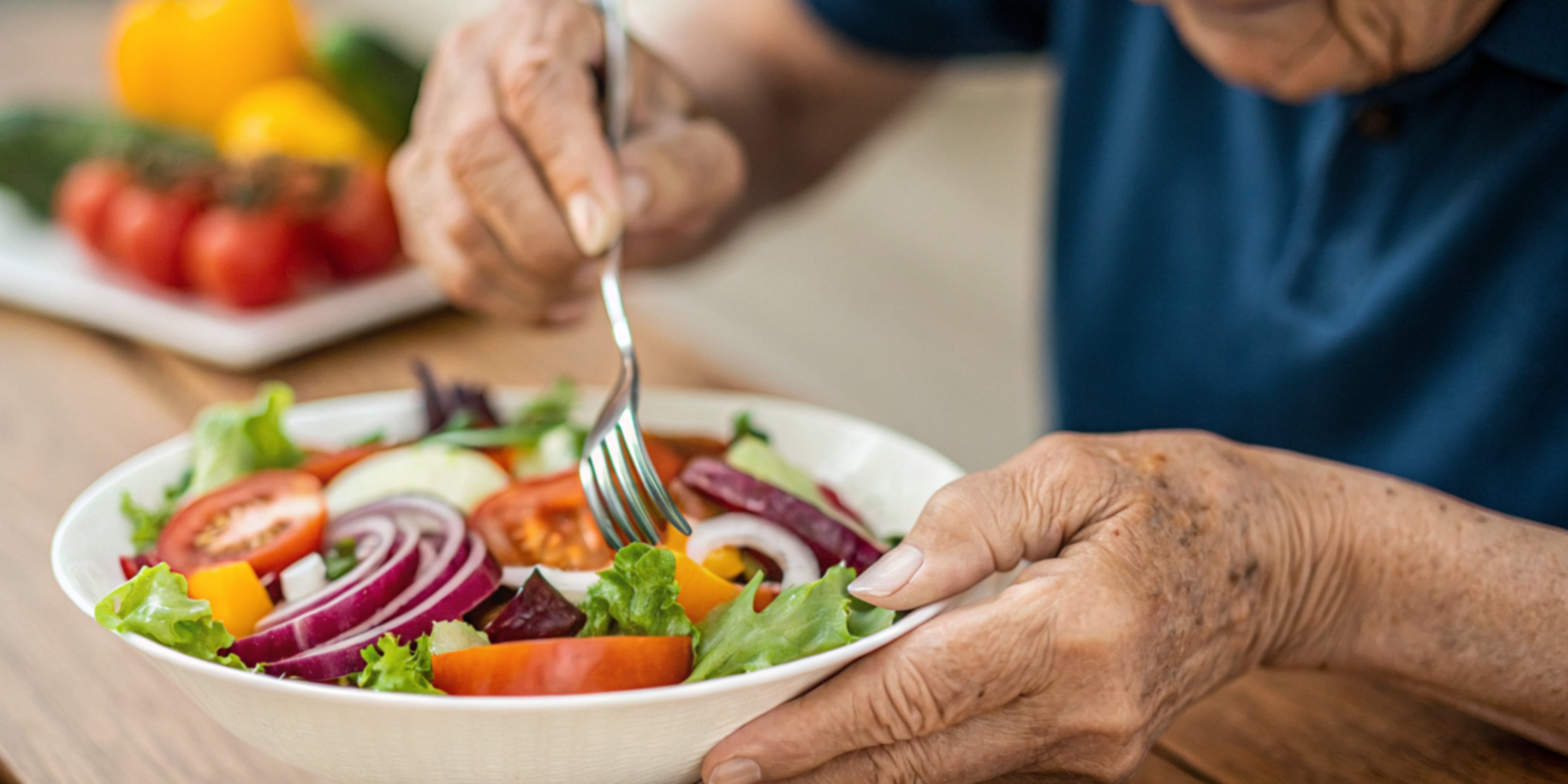
Why Nutrition Matters More in Parkinson's
Parkinson's disease affects the digestive system as well as movement. The autonomic nervous system — which controls functions like digestion, bowel motility, and swallowing — is often disrupted. This means that even eating and drinking become more complicated over time.
At the same time, Parkinson's can create nutritional challenges that make good nutrition particularly important. Inflammation, oxidative stress, and neurological changes all place extra demands on the system. A diet that supports brain health and reduces inflammation isn't a luxury — it's part of managing the disease well.
There's also the medication dimension. Levodopa, the most commonly prescribed Parkinson's drug, competes with dietary protein for absorption. Eating high-protein foods around the time of a dose can reduce how well the medication works for some people. This is a practical, daily consideration that many families aren't told about until it becomes a problem.
What Does a Brain-Healthy Diet Look Like?
The two dietary patterns with the strongest evidence for brain health are the Mediterranean diet and the MIND diet — a hybrid of the Mediterranean and heart-healthy DASH diets developed specifically to support cognitive health. Both are well documented in the research literature and are consistently recommended by neurologists and dietitians who work with people with Parkinson's.
Both patterns share a core philosophy: eat more of the things that nourish the brain and reduce the things that inflame it. In practice, that means:
Eat More Of
- Leafy green vegetables — spinach, kale, arugula — at least once a day
- Colorful fruits, especially berries, which are rich in antioxidants
- Whole grains over refined carbohydrates
- Fish and poultry as primary protein sources
- Nuts and olive oil for healthy fats
- Legumes — beans, lentils — several times a week
Eat Less Of
- Red meat and processed meats
- Butter, margarine, and full-fat dairy
- Fried and fast foods
- Pastries, sweets, and added sugars
This isn't about perfection or overnight transformation. Even gradual shifts toward this pattern add up over time. And if you're researching foods to avoid with Parkinson's disease, the short answer is the same list: processed meats, refined sugars, fried foods, and saturated fats are the ones most worth limiting.
The Protein-Medication Interaction
This is one of the most practically important nutrition facts for Parkinson's caregivers to understand. Levodopa — the primary medication used to manage Parkinson's motor symptoms — is absorbed through the same pathway in the gut and brain as dietary protein. When both compete for that pathway at the same time, the medication can lose, leading to reduced effectiveness and more pronounced "off" periods. The Parkinson's Foundation recommends taking levodopa 30 to 60 minutes before a meal, or at least two hours after, to give it the best chance of working.
This doesn't mean eliminating protein — that would be harmful. It means timing protein-rich meals thoughtfully around the medication schedule. A caregiver who understands this connection can make a real difference in how consistently the medication performs throughout the day.
Managing Swallowing Challenges
Dysphagia — difficulty swallowing — is common in Parkinson's and tends to become more pronounced as the disease progresses. It happens because the same slowing of movement that affects limbs and facial muscles also affects the muscles involved in swallowing.
For families, this can show up as coughing during meals, a sensation of food getting stuck, prolonged mealtimes, or a reluctance to eat. Left unaddressed, it raises the risk of aspiration — food or liquid entering the airway — which can lead to pneumonia.
Practical steps that help include:
- Serving food in small, bite-sized pieces
- Choosing softer textures that are easier to manage
- Thickening liquids if recommended by a speech therapist
- Ensuring the person is sitting fully upright during meals and for at least 30 minutes afterward
- Scheduling mealtimes during "on" periods when movement and muscle control are at their best
If swallowing difficulties are significant or worsening, a referral to a speech-language pathologist is worth raising with the neurologist. They can assess the extent of the problem and recommend specific strategies.
Staying Hydrated — More Important Than It Sounds
Dehydration is a persistent and underappreciated problem for people with Parkinson's. The disease can blunt the normal thirst response, meaning a person may not feel thirsty even when their body needs water. Constipation — itself a common Parkinson's symptom — worsens significantly when fluid intake is low. And dehydration can exacerbate cognitive symptoms, fatigue, and dizziness.
The general target for most people with Parkinson's is six to eight glasses of water or other fluids per day — roughly 48 to 64 ounces — though individual needs vary. Encouraging a glass of water with each dose of medication is a simple habit that supports hydration and can help ensure medications are taken comfortably and consistently. Foods with high water content — fruits, vegetables, soups — also count toward the daily total.
A caregiver who actively monitors and encourages fluid intake throughout the day — not just at mealtimes — is providing real clinical value, even if it doesn't look like it.
Watching for Unexplained Weight Loss
Unintentional weight loss is surprisingly common in Parkinson's and worth taking seriously. It can happen for several reasons: reduced appetite, difficulty eating, the energy cost of muscle rigidity and tremors, or side effects from medications. In some cases it happens gradually enough that families don't notice until a significant amount of weight has been lost.
Weight loss in someone with Parkinson's can accelerate physical decline, increase fall risk, and reduce the effectiveness of medications. If you notice that a parent or loved one seems to be losing weight, or if mealtimes are consistently difficult or short, it's worth raising with their care team.
In the meantime, strategies like smaller, more frequent meals, calorie-dense foods (avocado, nut butters, eggs), and making meals as enjoyable as possible — the right company, familiar foods, a relaxed pace — can all help maintain intake.
How In-Home Support Helps with Nutrition
For families managing Parkinson's from a distance, or caregivers who are already stretched thin, nutrition is one of the areas where professional in-home support makes the most practical difference.
A trained caregiver can plan and prepare meals that align with both the person's dietary needs and their preferences, time meals around the medication schedule, monitor for signs of swallowing difficulty or weight loss, and ensure that fluid intake is happening consistently throughout the day. These aren't small things — they're the kind of daily attention that's hard to sustain without consistent support.
At TheKey, nutrition is embedded in our Balanced Care Method® — specifically in the Nourish & Hydrate pillar, which guides how our caregivers approach eating and hydration as part of whole-person care. For clients with Parkinson's, that means caregivers who understand the specific challenges of the disease and know how to support good nutrition day to day.
If your family is looking for support that goes beyond task assistance and addresses the full picture of your loved one's health, we'd welcome the conversation. Contact TheKey to speak with a care advisor.
 (866) 475-4967