(866) 475-4967



Parkinson's Disease at Home: Early Symptoms and Family Care Strategies
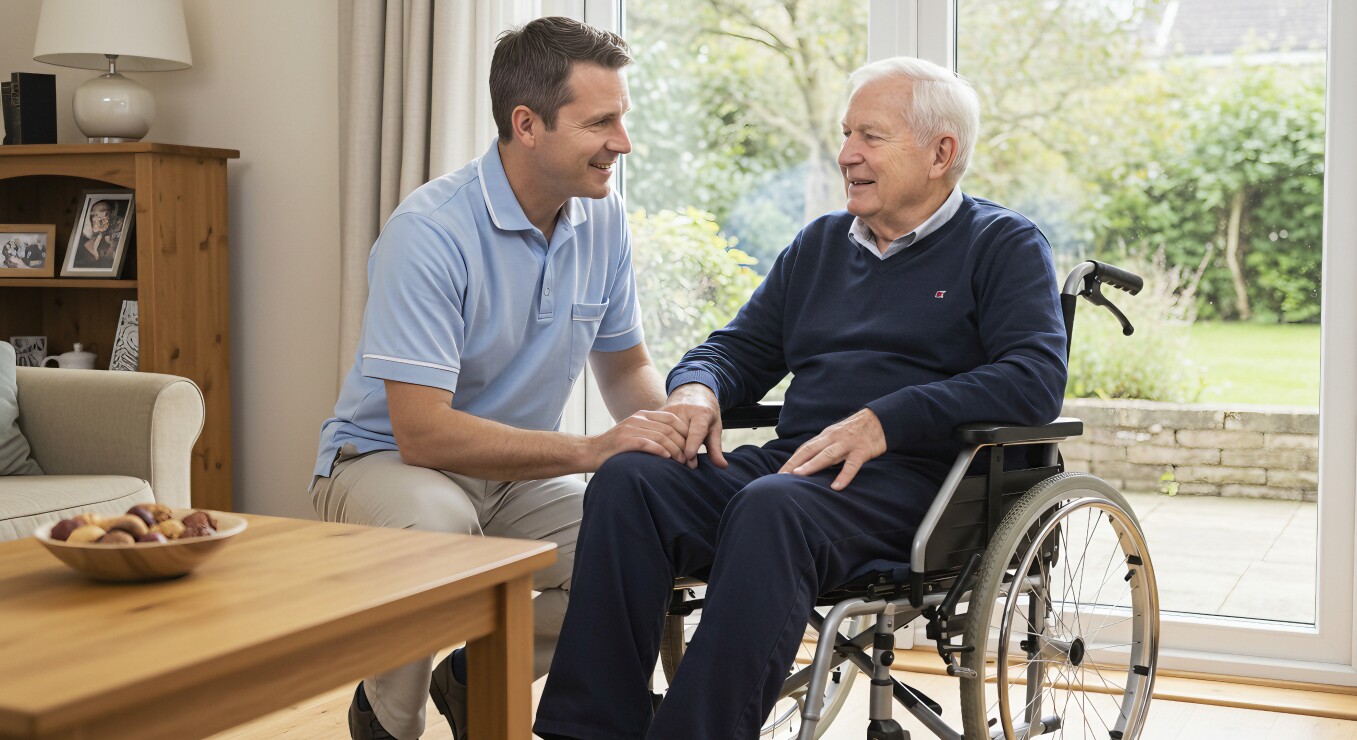
Noticing the first signs of Parkinson’s disease in someone you love can feel overwhelming and uncertain. Maybe you’ve observed a slight hand tremor that wasn’t there before, noticed they’re moving more slowly, or seen changes in their handwriting or facial expressions. These subtle changes often develop gradually, making it difficult to know when normal aging ends and something more significant begins.
If your family is navigating a Parkinson’s diagnosis or noticing early symptoms, it’s natural to feel overwhelmed—uncertain about the future, daily care needs, and how to help while honoring your loved one’s independence. Many families ask the same questions: Can they continue living safely at home? What support will make life easier while maintaining dignity and quality of life?
Here’s what thousands of families have discovered: early Parkinson’s disease doesn’t mean the end of independence or meaningful life at home. With the right understanding, home care strategies, and professional support, people with Parkinson’s can continue living fulfilling lives in familiar surroundings while families learn to provide appropriate care and support throughout the journey.
Understanding Parkinson’s Disease: What Families Need to Know
Parkinson’s disease is the second most common neurodegenerative condition after Alzheimer’s disease, affecting movement, balance, and other bodily functions. Understanding what’s happening in the brain and body helps families provide better support and make informed decisions about care.
What Happens in Parkinson’s Disease
Parkinson’s disease develops when neurons in the brain that produce dopamine become impaired or die. Dopamine is a critical neurotransmitter that helps control movement, balance, and coordination. When dopamine levels decrease, the characteristic symptoms of Parkinson’s begin to appear.
According to the Parkinson’s Foundation, approximately 1.1 million people in the United States are living with Parkinson’s disease, with nearly 90,000 new diagnoses each year. Men are 1.5 times more likely to develop Parkinson’s than women, and while most people are diagnosed after age 60, about 4% receive their diagnosis before age 50.
The progression of Parkinson’s varies significantly from person to person. Some people experience mild symptoms that progress slowly over many years, while others may notice more rapid changes. This variability makes it essential for families to focus on current needs while planning flexibly for the future.
Risk Factors for Parkinson’s Disease
While the exact cause of Parkinson’s remains unclear, research has identified several factors that may influence risk:
Age and gender factors:
- Risk increases significantly after age 60
- Men develop Parkinson’s more frequently than women
- Early-onset Parkinson’s (before age 50) is less common but may have genetic components
Genetic and environmental influences:
- About 10% of cases have a genetic component
- Exposure to certain pesticides and industrial chemicals may increase risk
- Head injuries and repeated trauma may contribute to development
Protective factors research suggests:
- Regular physical exercise may reduce risk
- Caffeine consumption has been associated with a reduced risk
- Mediterranean-style diets may offer some protection
Understanding Parkinson’s risk factors empowers families to make proactive lifestyle decisions. Still, having one or more risk factors doesn’t mean someone will necessarily develop the disease.
Recognizing Early Parkinson’s Symptoms: A Family Guide
Early Parkinson’s symptoms often appear gradually and can be subtle, making them easy to dismiss as normal aging. However, recognizing these signs early allows for prompt medical evaluation and treatment that can significantly improve quality of life.
Motor Symptoms of Early Parkinson’s
The most recognizable Parkinson’s symptoms involve movement and motor control:
Tremor:
- Usually begins in one hand or arm, often at rest
- May start as a slight “pill-rolling” motion between thumb and finger
- Often more noticeable when the person is relaxed or stressed
- May be absent in about 25% of people with Parkinson’s
Bradykinesia (slowed movement):
- Tasks take longer to complete than they used to
- Reduced arm swing while walking
- Difficulty initiating movement, like getting up from a chair
- Smaller handwriting (micrographia)
- Reduced facial expressions
Rigidity and stiffness:
- Muscle stiffness in arms, legs, or trunk
- Reduced range of motion in joints
- Muscle cramps or aching
- Difficulty with fine motor tasks like buttoning shirts
Postural instability:
- Balance problems that develop over time
- Stooped posture or tendency to lean forward
- Shuffling gait with shorter steps
- Difficulty turning or changing direction quickly
Non-Motor Early Symptoms Often Overlooked
Many early Parkinson’s symptoms don’t involve movement and can appear years before motor symptoms:
Sleep and fatigue changes:
- REM sleep behavior disorder (acting out dreams)
- Restless legs syndrome
- Excessive daytime sleepiness
- Insomnia or disrupted sleep patterns
Sensory and autonomic symptoms:
- Loss of sense of smell (hyposmia)
- Constipation that doesn’t respond to dietary changes
- Low blood pressure when standing
- Urinary urgency or frequency
Emotional and cognitive signs:
- Depression or anxiety
- Apathy or loss of motivation
- Mild cognitive changes or “brain fog”
- Increased irritability or mood swings
Physical changes:
- Soft or monotone speech
- Smaller handwriting
- Difficulty swallowing
- Skin problems or excessive sweating
When to Seek Medical Evaluation
Families should consider medical evaluation when they notice:
- Multiple symptoms occurring together
- Symptoms that persist or worsen over time
- Changes that interfere with daily activities
- Any combination of motor and non-motor symptoms
Early diagnosis allows for treatment that can help improve symptoms and maintain function. Many people respond well to medications and therapy when Parkinson’s is caught early.
Home Care Strategies for Parkinson’s Disease
Living well with Parkinson’s at home requires adapting the environment, routines, and support systems to meet changing needs while maintaining independence and safety.
Daily Living Adaptations for Early Parkinson’s
Morning routines and medication management:
- Establish consistent daily schedules to help with medication timing
- Use pill organizers with alarms to ensure proper medication adherence
- Plan extra time for morning activities as movements may be slower
- Consider timing medications with meals as prescribed by healthcare providers
Home safety modifications:
- Remove throw rugs and clutter that could cause falls
- Install grab bars in bathrooms and along hallways
- Ensure adequate lighting, especially in stairways and hallways
- Consider raising toilet seats and adding shower seats for safety
- Install lever-style door handles and faucets for easier grip
Kitchen and meal preparation:
- Use lightweight dishes and utensils with built-up handles
- Store frequently used items at waist level to avoid reaching
- Consider adaptive cutting boards and jar openers
- Plan simple, nutritious meals that don’t require complex preparation
- Focus on foods rich in fiber to help with constipation
Exercise and Physical Activity for Parkinson’s Management
Regular physical activity is one of the most important components of Parkinson’s care at home. Research shows that exercise can help delay symptom progression and improve symptoms.
Recommended activities for people with Parkinson’s:
- Walking programs that can be adjusted as abilities change
- Swimming or water aerobics for joint-friendly exercise
- Tai chi or yoga for balance, flexibility, and relaxation
- Dancing, which combines music, movement, and social engagement
- Resistance training with light weights or resistance bands
Creating a safe exercise environment:
- Clear pathways for walking or exercise
- Use sturdy chairs for support during exercises
- Consider exercise videos designed specifically for Parkinson’s
- Encourage activities during “on” times when medications are most effective
- Monitor for fatigue and adjust intensity accordingly
Nutrition and Eating Support
Good nutrition becomes increasingly important with Parkinson’s disease, both for overall health and to optimize medication effectiveness.
Medication and meal timing:
- Work with healthcare providers to understand timing of levodopa with protein
- Some people benefit from taking medications on an empty stomach
- Others may need to take medications with food to prevent nausea
- Maintain consistent meal times to support medication schedules
Addressing common eating challenges:
- Choose foods that are easy to chew and swallow
- Cut food into smaller pieces to prevent choking
- Use weighted utensils if tremor makes eating difficult
- Drink thickened liquids if swallowing becomes problematic
- Focus on nutrient-dense foods to combat potential weight loss
Family Communication and Emotional Support
Parkinson’s diagnosis affects the entire family, requiring open communication, emotional support, and adaptation as the disease progresses.
Talking About Parkinson’s in the Family
Initial conversations about diagnosis:
- Allow time for everyone to process the news and ask questions
- Provide age-appropriate information to children and grandchildren
- Discuss fears and concerns openly while maintaining hope
- Share reliable resources about Parkinson’s to educate family members
- Emphasize that life can continue to be meaningful and fulfilling
Ongoing family discussions:
- Regular family meetings to discuss changing needs and concerns
- Include the person with Parkinson’s in all decisions about their care
- Respect independence while offering appropriate support
- Address relationship changes that may occur as roles shift
- Plan for future needs while focusing on current abilities
Supporting Mental Health and Emotional Well-being
Parkinson’s disease often involves emotional and psychological challenges alongside physical symptoms.
Recognizing depression and anxiety:
- Mood changes are common and treatable aspects of Parkinson’s
- Depression may appear before motor symptoms develop
- Anxiety about the future and loss of control is normal
- Social withdrawal may occur as symptoms progress
Strategies for emotional support:
- Encourage continued participation in enjoyable activities
- Maintain social connections and community involvement
- Consider counseling or support groups for both patients and families
- Focus on what the person can still do rather than limitations
- Celebrate small victories and maintain optimism about treatment advances
Professional Home Care for Parkinson’s Disease
As Parkinson’s progresses, many families benefit from professional home care services that provide specialized support while allowing their loved one to remain in familiar surroundings.
When to Consider Professional Parkinson’s Care
Signs that additional support may be helpful:
- Medication management becomes complex or challenging
- Safety concerns arise with mobility or balance
- Family caregivers experience stress or burnout
- Daily activities become significantly more difficult
- Social isolation increases despite family efforts
Benefits of specialized Parkinson’s care:
- Caregivers trained in Parkinson’s-specific needs and challenges
- Experience with medication timing and symptom management
- Knowledge of adaptive techniques for daily activities
- Support for both motor and non-motor symptoms
- Coordination with healthcare providers and specialists
Types of Home Care Services for Parkinson’s
Companion care services:
- Social interaction and emotional support
- Light housekeeping and meal preparation
- Transportation to appointments and activities
- Medication reminders and assistance
- Encouragement with exercise and daily routines
Personal care assistance:
- Help with bathing, dressing, and grooming
- Mobility assistance and fall prevention
- 24 hour home care for advanced stages
- Live-in care for continuous support and safety
- Specialized care during medication “off” periods
Skilled care services:
- Nursing care for complex medical needs
- Physical therapy and rehabilitation services
- Speech therapy for communication and swallowing
- Occupational therapy for daily living adaptations
- Coordination with movement disorder specialists
TheKey’s Approach to Parkinson’s Care
At TheKey, our specialized home care team understands the unique challenges of Parkinson’s disease and provides comprehensive support through our Balanced Care Method®.
Our Parkinson’s care expertise includes:
- Caregivers trained in Parkinson’s-specific symptom management
- Understanding of medication timing and effects
- Experience with mobility assistance and fall prevention
- Support for both motor and non-motor symptoms
- Coordination with healthcare providers and Parkinson’s specialists
Personalized care planning:
- Assessment of current abilities and support needs
- Flexible care plans that adapt as Parkinson’s progresses
- Family involvement in all care decisions
- Integration with existing healthcare team and treatments
- Focus on maintaining independence and quality of life
Through TheKeyMatch™, we carefully select caregivers who have both the medical knowledge and compassionate approach needed to support people with Parkinson’s and their families throughout their journey.
Managing Parkinson’s Progression and Planning Ahead
While early Parkinson’s may involve minimal daily impact, families benefit from understanding potential progression and planning for future needs.
Understanding Parkinson’s Stages
Parkinson’s is often described in stages, though progression varies significantly among individuals:
Stage 1-2 - Early symptoms:
- Symptoms usually start on one side, then affect both sides
- May include slight tremor or changes in facial expression
- Daily activities may take longer but remain manageable
- Most people can still live independently with minimal support
Stage 3 - Mid-stage progression:
- Balance problems become more noticeable
- Increased risk of falls and mobility challenges
- Daily activities require more time and adaptation
- May benefit from home care assistance and safety modifications
Stages 4-5 - Advanced symptoms:
- Significant mobility limitations and care needs
- May require 24 hour home care or live-in care
- Complex medication management and professional support
- Focus shifts to comfort, safety, and quality of life
Legal and Financial Planning
Important documents to complete early:
- Advance directives outlining healthcare preferences
- Power of attorney for healthcare decisions
- Financial power of attorney for managing affairs
- Estate planning and will updates
- Long-term care insurance considerations
- Consult with an attorney specializing in elder law
Building a Care Team
Essential healthcare professionals:
- Movement disorder specialist or neurologist
- Primary care physician for overall health management
- Physical, occupational, and speech therapists
- Social worker for resource coordination
- Mental health counselor for emotional support
Community resources:
- Local Parkinson’s support groups and organizations
- Exercise programs designed for people with Parkinson’s
- Meal delivery services and transportation assistance
- Respite care programs for family caregivers
- Educational workshops and resources
Technology and Adaptive Tools for Parkinson’s Care
Modern technology and adaptive devices can significantly improve daily life and safety for people with Parkinson’s living at home.
Helpful Technology for Daily Living
Medication management tools:
- Automated pill dispensers with alarms and locks
- Smartphone apps for tracking symptoms and medication timing
- Wearable devices that monitor movement and medication effectiveness
- Telemedicine platforms for remote healthcare consultations
Safety and mobility aids:
- Medical alert systems for emergency situations
- Motion-sensor lighting for safer nighttime navigation
- Assistive devices for writing, eating, and daily tasks
- Mobility aids like walkers with built-in seats and storage
Home Modifications for Long-Term Safety
Key modifications to consider:
- Walk-in showers with built-in seating and grab bars
- Raised toilet seats and strategic grab bar placement
- Ramps for wheelchair or walker access
- Wider doorways for mobility aid access
- Emergency communication systems in each room
Living Well with Parkinson’s: Focus on Quality of Life
While Parkinson’s disease presents challenges, many people continue to live fulfilling, meaningful lives by focusing on abilities, adapting to changes, and maintaining optimism about treatment advances.
Maintaining Independence and Dignity
Strategies for preserving autonomy:
- Involve the person with Parkinson’s in all decisions about their care
- Adapt activities rather than eliminating them completely
- Encourage self-advocacy and communication with healthcare providers
- Respect personal preferences and established routines
- Celebrate abilities and achievements rather than focusing only on limitations
Finding Meaning and Purpose
Ways to stay engaged and purposeful:
- Volunteer work adapted to current abilities
- Creative pursuits like art, music, or writing
- Spending quality time with family and friends
- Participating in Parkinson’s advocacy or awareness efforts
- Maintaining social connections and community involvement
Moving Forward with Hope and Support
Parkinson’s disease may bring new challenges, but it doesn’t take away the chance for independence or fulfillment. With proven home care strategies, supportive caregivers, and professional Parkinson’s care when needed, families can help loved ones thrive safely at home.
Managing Parkinson’s at home works best when families start with education, surround themselves with the right support, and stay open to adjusting care as needs evolve. Professional home care and coordinated healthcare make it possible to maintain safety and independence over time.
Your loved one’s Parkinson’s diagnosis is one part of their story, not the entire narrative. With advances in treatment, better understanding of the disease, and comprehensive support systems, many people with Parkinson’s continue to live fulfilling lives surrounded by the people and places they love.
Remember: seeking professional home care support shows wisdom and proactive planning, not defeat. Senior home care services, specialized Parkinson’s care, and family support can work together to help ensure your loved one receives the best possible care while maintaining dignity, independence, and quality of life at home.
Frequently Asked Questions
Early symptoms include tremors (usually starting in one hand), muscle stiffness or rigidity, slowness of movement (bradykinesia), balance problems, changes in handwriting, loss of smell, sleep disturbances, and soft or low speech. These symptoms typically develop gradually over time.
Home care involves creating a safe environment with grab bars and adequate lighting, assisting with daily activities while encouraging independence, managing medications consistently, providing physical therapy exercises, ensuring proper nutrition, and coordinating with healthcare providers for ongoing treatment.
Helpful modifications include installing grab bars in bathrooms, removing loose rugs and clutter, improving lighting throughout the home, adding railings on stairs, using non-slip mats, raising toilet seats, and creating clear pathways for safe mobility.
Parkinson’s disease progression varies greatly between individuals. Symptoms typically worsen gradually over years, with early stages involving mild symptoms that don’t significantly interfere with daily activities, progressing to more advanced stages where mobility and independence may become more challenging.
Beneficial exercises include walking, swimming, tai chi, yoga, dancing, strength training with light weights, balance exercises, and speech therapy exercises. Regular physical activity can help maintain mobility, balance, and quality of life while potentially slowing symptom progression.
Consider professional home care when daily activities become challenging, medication management becomes complex, safety concerns increase, family caregivers need support, or when specialized Parkinson’s care expertise would benefit treatment and quality of life.
Common medications include carbidopa-levodopa (the most effective), dopamine agonists, MAO-B inhibitors, COMT inhibitors, and anticholinergics. Medication timing and consistency are crucial for managing symptoms effectively, often requiring professional oversight for optimal results.
Is Your Family Considering Home Care?
We can help you understand your options and determine the best plan for your family, your budget, and your loved one's care needs. Give us a call or contact us online—and we'll get back to you within 24 hours.