(866) 475-4967


Restless Legs Syndrome in Older Adults: Why Legs Feel Uncomfortable at Night

For some older adults, bedtime brings an uncomfortable sensation that is difficult to describe. Their legs may feel restless, tingly, pulling, or unusually uncomfortable, creating a strong urge to move just when they are trying to relax. Walking around the bedroom, stretching, or changing positions may provide temporary relief, but the discomfort often returns when they lie down again.
This pattern may indicate restless legs syndrome, a neurological condition that can significantly interfere with sleep. Unlike ordinary muscle fatigue or occasional stiffness, restless legs syndrome creates an urge to move that becomes more noticeable during periods of rest, particularly in the evening or at night.
Because symptoms are sometimes mistaken for arthritis, muscle cramps, or general restlessness, the condition may go unrecognized. Understanding its characteristic symptoms can help older adults and families distinguish it from other causes of leg discomfort and recognize when medical evaluation may be beneficial.
What Is Restless Legs Syndrome?
Restless legs syndrome, also called Willis-Ekbom disease, is a neurological condition characterized by an urge to move the legs, usually accompanied by uncomfortable sensations. The symptoms typically begin or become worse during periods of inactivity, improve temporarily with movement, and are more pronounced in the evening or at night.
These features are central to recognizing the condition. Someone may feel relatively comfortable while walking around the home but develop uncomfortable sensations shortly after sitting in a chair or lying down in bed. Moving the legs, standing, or walking may provide relief, although the symptoms often return once the person becomes still again.
Restless legs syndrome can affect people of different ages, but symptoms may become more frequent or troublesome later in life. Severity varies considerably. Some individuals experience occasional discomfort that causes little disruption, while others struggle with symptoms on most nights and find it difficult to obtain adequate rest.
The condition is not simply a habit or an inability to relax. It involves neurological processes that influence sensations and movement, and the urge to move can be difficult to resist. Recognizing this distinction is important, particularly when families are trying to understand why a loved one repeatedly gets out of bed or has difficulty remaining comfortable at night.
What Does Restless Legs Syndrome Feel Like?
People living with restless legs syndrome describe their symptoms in different ways. Some report tingling, crawling, pulling, itching, or an uncomfortable sensation deep within the legs. Others have difficulty finding words to describe the feeling but recognize that moving provides temporary relief.
The sensations may affect one or both legs and can vary in intensity from night to night. Although the legs are most commonly involved, some individuals experience similar symptoms in other parts of the body. The discomfort may be mild enough to manage through occasional movement or severe enough to repeatedly interrupt attempts to fall asleep.
One of the most distinctive features is the relationship between symptoms and inactivity. Sitting through a long movie, traveling in a car, or lying quietly in bed may trigger discomfort, while standing or walking can reduce it. The relief generally lasts only while the person is moving or for a short period afterward.
This pattern helps distinguish restless legs syndrome from other conditions. A typical muscle cramp involves a sudden, often painful contraction of a muscle, while restless legs syndrome is primarily characterized by an urge to move accompanied by uncomfortable sensations. Arthritis, by comparison, usually causes pain or stiffness involving joints rather than the characteristic rest-related urge to move.
Because older adults may experience several forms of discomfort at the same time, symptoms should be evaluated rather than attributed automatically to aging or an existing diagnosis.
Why Restless Legs Symptoms Are Worse at Night
Restless legs syndrome follows a characteristic daily pattern, with symptoms often becoming more noticeable during the evening and nighttime hours. This timing can be particularly disruptive because it coincides with the period when someone is trying to relax and prepare for sleep.
The condition involves more than discomfort caused by remaining still. Its evening predominance reflects changes associated with the body's internal timing systems, although researchers are still investigating the neurological mechanisms involved. The combination of increased symptoms at night and reduced movement during bedtime can make falling asleep especially difficult.
Someone may repeatedly stretch, move their legs, or get out of bed to walk around the room. These activities may temporarily reduce discomfort, but the symptoms can return once they lie down again. As a result, bedtime may become associated with frustration or anxiety about whether sleep will be possible.
Some individuals with restless legs syndrome also experience periodic limb movements during sleep. These involve repetitive, involuntary movements that may disrupt sleep continuity, sometimes without the person being fully aware of them. However, periodic limb movements are not required for a restless legs syndrome diagnosis, and they can occur in people who do not have the condition.
Over time, repeated difficulty falling asleep or staying asleep can contribute to daytime fatigue, irritability, and difficulty concentrating. The impact may extend beyond nighttime discomfort, affecting the person's energy, mood, and participation in everyday activities.
What Causes Restless Legs Syndrome in Older Adults?
The exact causes of restless legs syndrome are not fully understood, but research suggests that brain pathways involved in iron regulation and dopamine signaling play important roles. Dopamine is a chemical messenger involved in movement and other neurological functions, while iron is necessary for several processes that support normal brain activity.
Restless legs syndrome can occur without an identifiable underlying condition, and some individuals have a family history of similar symptoms. In other cases, the condition may be associated with low iron stores, chronic kidney disease, pregnancy, or certain neurological conditions.
Iron status deserves particular attention because some individuals with restless legs syndrome have low iron availability even when they do not have anemia. A healthcare professional may recommend laboratory testing, including ferritin and other iron studies, to determine whether iron deficiency or reduced iron stores could be contributing to symptoms.
Certain medications may also worsen restless legs syndrome. These can include some antihistamines, antidepressants, and other drugs that affect neurological signaling. However, medication effects vary, and older adults should not discontinue prescribed treatments without medical guidance.
Because several factors may contribute to symptoms, evaluation should consider the person's medical history, medications, sleep patterns, and severity of discomfort. Identifying a treatable contributor may help guide more effective care.
Restless Legs Syndrome vs. Arthritis and Nighttime Leg Cramps
Restless legs syndrome is sometimes confused with arthritis or muscle cramps because all three conditions can cause discomfort in the legs and interfere with sleep. However, their underlying features are different, and recognizing those differences can help families describe symptoms more accurately to a healthcare professional.
| Feature | Restless Legs Syndrome | Arthritis | Nighttime Leg Cramps |
| Main symptom | Urge to move the legs, often with uncomfortable sensations | Joint pain, stiffness, or swelling | Sudden, painful muscle contraction |
| When symptoms occur | Usually during rest, especially in the evening or at night | May occur throughout the day or after inactivity | Often suddenly during sleep or rest |
| Effect of movement | Usually provides temporary relief | Gentle movement may reduce stiffness, but activity can sometimes worsen pain | Stretching may relieve the contraction |
| Common location | Deep sensations in one or both legs | Affected joints, such as knees or hips | Often calf or foot muscles |
| Sleep impact | Difficulty falling asleep or repeated disruption | Pain or stiffness may interrupt sleep | Sudden awakening due to muscle pain |
An older adult may experience more than one of these conditions. Someone with knee arthritis, for example, may also develop restless legs syndrome, making nighttime symptoms more difficult to interpret.
The most useful distinction is often whether discomfort creates an urge to move that becomes worse at rest and improves with movement. Persistent symptoms that follow this pattern deserve evaluation rather than being assumed to be another manifestation of arthritis.
What Can Help Relieve Restless Legs Symptoms?
Maintain Consistent Sleep and Activity Routines
Regular sleep and wake times can help support healthier sleep patterns, particularly when restless legs symptoms have begun to interfere with bedtime. A predictable evening routine may reduce additional sources of sleep disruption, although consistent scheduling alone may not resolve the neurological symptoms.
Moderate physical activity may also be helpful for some individuals. Walking, gentle stretching, and other manageable forms of movement can support physical functioning and may provide temporary symptom relief. However, excessive exertion or activities that cause significant discomfort may worsen symptoms for certain people.
The goal is to maintain appropriate activity throughout the day without creating additional fatigue or physical strain. Older adults managing arthritis, balance problems, or other chronic conditions may benefit from individualized guidance about suitable movement.
Identify Substances and Medications That May Worsen Symptoms
Some individuals notice that caffeine, alcohol, or certain medications make restless legs symptoms more troublesome. Paying attention to these patterns can help identify factors that may be contributing to nighttime discomfort.
A healthcare professional can review medications to determine whether any may be worsening symptoms and whether alternatives are appropriate. Families should not independently stop or adjust prescriptions, particularly when medications are being used to manage depression, allergies, or other medical conditions.
Gentle leg massage, stretching, or walking may provide temporary relief when symptoms occur. These approaches can be incorporated into a calming evening routine, although their effectiveness varies and they may not be sufficient for more severe symptoms.
Evaluate Iron Levels and Other Medical Contributors
Because iron regulation plays an important role in restless legs syndrome, clinicians may recommend blood tests to evaluate iron stores. When results indicate that iron treatment is appropriate, supplementation may help reduce symptoms in some individuals.
However, iron supplements should not be started automatically. Excessive iron intake can be harmful, and treatment decisions depend on laboratory findings, medical history, and other health considerations.
A clinician may also assess kidney function, medication effects, and other possible contributors. Addressing these factors can be an important part of developing an individualized treatment plan.
Consider Prescription Treatment When Symptoms Are Persistent
For moderate or severe restless legs syndrome, behavioral strategies and treatment of contributing conditions may not provide sufficient relief. Prescription medications may be considered when symptoms frequently disrupt sleep or significantly affect quality of life.
Some medications used for restless legs syndrome act on dopamine pathways. Although these treatments can reduce symptoms, they may cause side effects and can sometimes lead to a phenomenon called augmentation, in which symptoms begin earlier in the day, become more intense, or spread to other areas over time.
Because of these concerns, current treatment approaches increasingly emphasize careful medication selection and monitoring. Other medication classes may be appropriate for certain individuals, but they also require consideration of potential side effects such as dizziness, sedation, and fall risk, particularly in older adults.
Treatment should be individualized and periodically reassessed to ensure that symptom relief continues to outweigh potential harms.
How Restless Legs Syndrome Affects Daily Life
Although restless legs syndrome is often discussed as a nighttime condition, its effects can extend throughout the day. Someone who repeatedly struggles to fall asleep may experience persistent fatigue, reduced concentration, and lower motivation to participate in physical or social activities.
Sleep disruption can also influence emotional well-being. An older adult who anticipates uncomfortable symptoms every evening may begin to feel frustrated or anxious about bedtime. Over time, the combination of discomfort and insufficient rest can affect mood, patience, and overall quality of life.
The condition may also interfere with activities that require sitting still for extended periods. Watching a movie, attending a performance, or traveling may become uncomfortable when symptoms develop during inactivity. Some individuals begin avoiding these situations, reducing opportunities for social connection and enjoyment.
Families can help by recognizing that the urge to move is a symptom of a neurological condition rather than a behavioral choice. Someone who repeatedly gets out of bed may not be intentionally resisting sleep or refusing to follow a routine. Understanding the underlying discomfort can encourage more supportive responses and help families identify when treatment may be necessary.
Supporting Better Sleep Routines at Home
At TheKey, our Balanced Care Method® recognizes Sleep Well as one of six interconnected pillars that support healthy aging. Restorative sleep influences physical functioning, emotional well-being, and the ability to participate in meaningful activities, making nighttime comfort an important part of overall care.
The Move More pillar is also relevant for individuals experiencing restless legs syndrome because appropriate daytime activity may support mobility and healthy sleep routines. Other pillars, including Connect with Others and Engage with Joy & Purpose, emphasize the importance of maintaining meaningful engagement even when sleep difficulties affect energy and motivation.
Professional caregivers can help maintain consistent daily schedules, support appropriate movement, and create comfortable evening routines. They may also observe patterns in nighttime discomfort, repeated walking, or daytime fatigue and communicate these changes to families when medical evaluation may be appropriate.
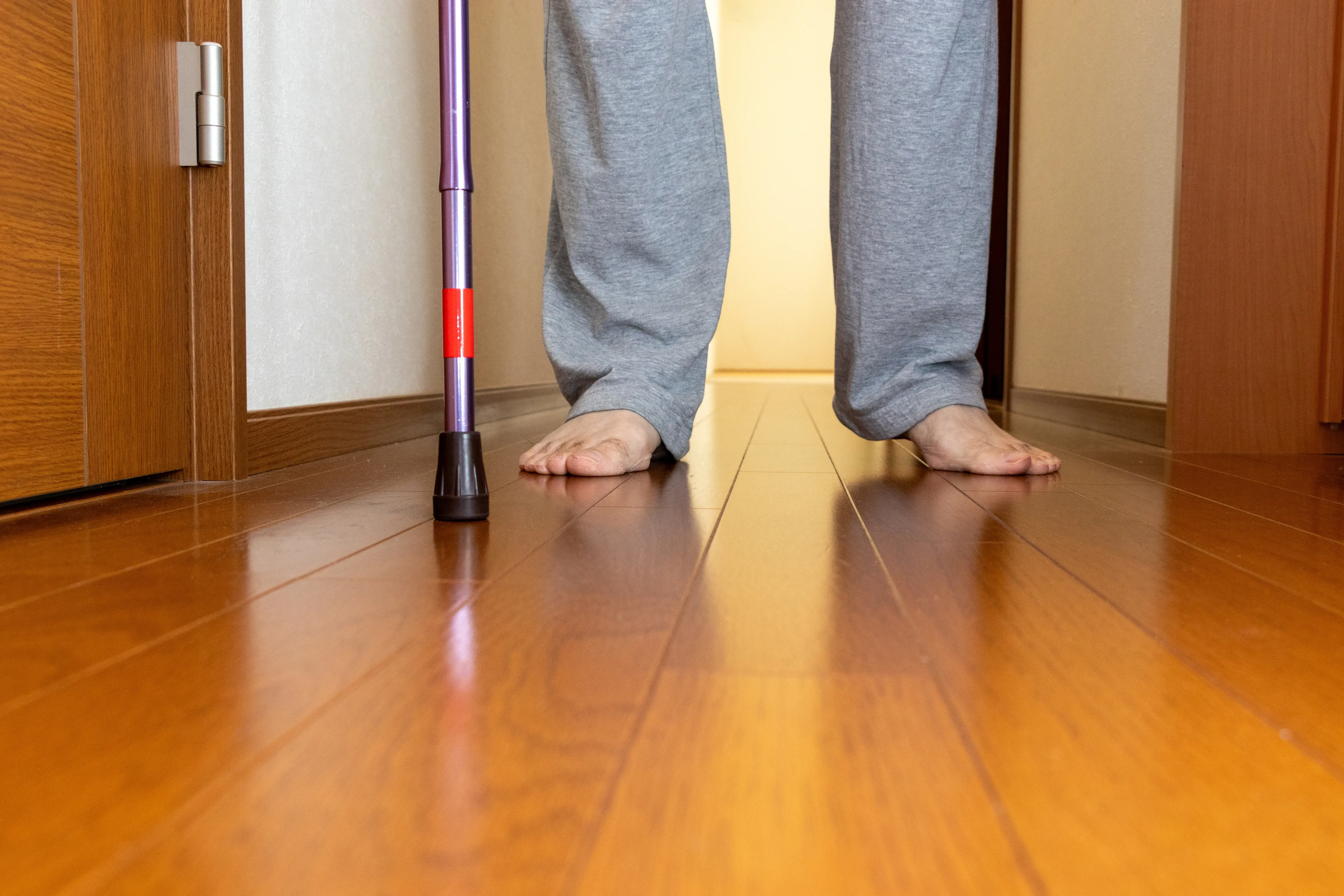
For individuals with balance problems or mobility limitations, caregivers can help support safer nighttime movement when symptoms create an urge to get out of bed. Clear pathways, appropriate lighting, and accessible mobility aids may reduce unnecessary hazards.
Caregivers should follow the individual's established care plan and should not independently administer supplements or change medications. Their role is to support comfort, safety, and consistent routines while complementing medical evaluation and treatment.
Frequently Asked Questions
Restless legs syndrome can occur at any age, but it may become more common or more troublesome later in life. Symptoms vary considerably, ranging from occasional discomfort to frequent nighttime disruption that significantly affects sleep quality.
No. Restless legs syndrome involves an urge to move the legs, often accompanied by uncomfortable sensations that worsen during rest and improve temporarily with movement. Nighttime leg cramps typically involve sudden, painful muscle contractions that may be relieved by stretching.
Low iron stores can contribute to restless legs syndrome in some individuals. A healthcare professional may recommend iron studies to determine whether treatment is appropriate. Iron supplementation should be guided by laboratory findings and medical advice rather than started independently.
Yes. Treatment may include addressing contributing medical conditions, reviewing medications, adjusting daily routines, and using prescription therapies when appropriate. The most effective approach depends on symptom severity, medical history, and individual risk factors.
Medical evaluation is appropriate when leg discomfort repeatedly interferes with falling asleep, disrupts daily activities, or becomes more frequent or severe. A healthcare professional can help distinguish restless legs syndrome from arthritis, muscle cramps, neuropathy, and other causes of discomfort.
Recognizing a Treatable Cause of Poor Sleep
Restless legs syndrome can make bedtime uncomfortable and leave older adults feeling exhausted the following day. Because its symptoms may resemble other forms of leg discomfort, the condition can be overlooked or mistaken for an unavoidable part of aging.
Recognizing the characteristic urge to move, the worsening of symptoms during rest, and the temporary relief provided by movement can help families identify when medical evaluation may be beneficial.
With appropriate assessment, individualized treatment, and supportive daily routines, many people living with restless legs syndrome can experience meaningful improvements in nighttime comfort, sleep quality, and overall well-being.