(866) 475-4967


Living With Arthritis: How to Make Everyday Activities Easier at Home

Arthritis can make bathing, dressing, cooking, and walking more difficult. Discover practical ways to support comfort, safety, and independence for older adults living with arthritis.
Arthritis can change everyday life in ways families may not immediately recognize. A parent who once enjoyed cooking may begin avoiding the kitchen because standing has become painful, while someone who has always dressed independently may struggle with buttons, shoes, or getting out of bed in the morning. These changes often develop gradually, with occasional stiffness progressing into difficulties managing familiar activities.
For older adults, arthritis can affect more than physical comfort. Joint pain and reduced mobility may influence confidence, social engagement, and independence, particularly when symptoms begin interfering with meaningful routines. Fortunately, appropriate medical treatment, practical adjustments, and personalized support at home can help older adults continue participating in activities that matter most.
How Does Arthritis Affect Everyday Life?
Arthritis includes conditions that cause joint pain, stiffness, swelling, and reduced mobility. Osteoarthritis, the most common form, frequently affects the knees, hips, hands, and spine, while rheumatoid arthritis is an autoimmune condition that causes inflammation and may contribute to fatigue. Although these conditions differ in their causes and treatment, both can make everyday activities more challenging.
Older adults may experience difficulty bathing, dressing, walking, climbing stairs, preparing meals, opening containers, or managing household responsibilities. Symptoms can fluctuate throughout the day, making certain activities more difficult during periods of increased pain or stiffness. Understanding how arthritis affects daily functioning helps families identify when adjustments or additional support may be beneficial.
1. Making Bathing and Personal Care Easier
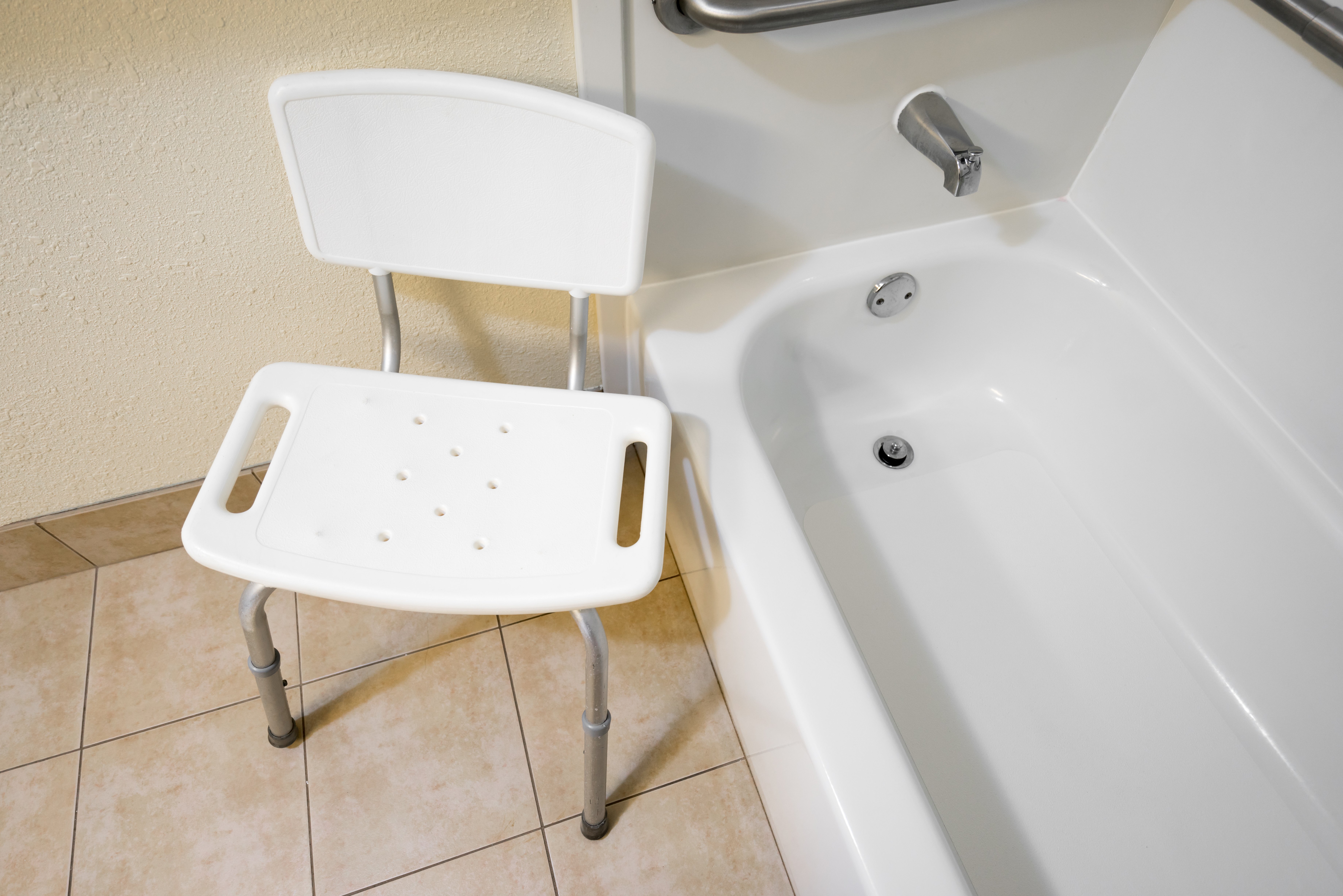
Arthritis affecting the hips, knees, shoulders, or hands can make bathing uncomfortable and sometimes unsafe. Standing in the shower, stepping into a bathtub, reaching to wash the lower body, or gripping toiletries may become increasingly difficult. Families can make these activities more manageable by installing grab bars, considering a shower chair, using a handheld showerhead, and keeping frequently used items within easy reach.
Pump-style containers and long-handled bathing tools may also reduce the need for uncomfortable movements, while allowing additional time for personal care can help avoid unnecessary rushing. An occupational therapist can recommend appropriate equipment based on individual abilities and safety needs. When assistance becomes necessary, professional caregivers can help with bathing, grooming, and dressing while respecting privacy and encouraging continued independence.
2. Getting Dressed With Less Pain and Stiffness
Dressing can become frustrating when arthritis affects grip strength, flexibility, or joint movement, particularly during periods of morning stiffness. Fastening buttons, pulling on socks, tying shoes, or reaching for clothing may require more effort than before, sometimes leading older adults to avoid certain garments or depend increasingly on family members.
Choosing clothing with elastic waistbands, easy-to-use closures, and accessible storage can simplify daily routines. Long-handled shoehorns and other recommended dressing aids may also reduce strain, while supportive shoes that are easy to fasten can improve convenience. A caregiver can assist with difficult tasks without taking over the entire process, helping preserve the individual's ability to make personal choices and participate in daily activities.
3. Making Cooking and Meal Preparation Easier
Arthritis can make chopping vegetables, opening jars, lifting cookware, and standing at the stove uncomfortable, particularly when symptoms affect the hands, knees, or hips. Over time, these challenges may lead some older adults to rely more heavily on convenience foods or skip meals because preparing food feels too demanding.
Families can make the kitchen easier to navigate by keeping frequently used ingredients and utensils within reach, choosing lightweight cookware, and using ergonomic tools that require less gripping or twisting. Preparing ingredients in smaller stages, purchasing prewashed vegetables, or considering safe seated preparation may also help. Professional caregivers can assist with grocery shopping, meal preparation, and cleanup while encouraging older adults to remain involved in food choices and familiar cooking routines.
4. Supporting Mobility and Preventing Falls
Arthritis can affect walking, balance, and the ability to move comfortably around the home. Pain in the knees, hips, or ankles may cause someone to become less active, potentially contributing to muscle weakness and reduced physical function. Families may notice a loved one walking more slowly, avoiding stairs, or becoming reluctant to leave home because movement has become uncomfortable or uncertain.
Reducing clutter, improving lighting, keeping essential items accessible, and using sturdy chairs with armrests can make everyday movement easier. Healthcare professionals can also recommend appropriate mobility aids or physical therapy when strength, balance, or walking difficulties become concerns. Changes in mobility deserve attention, particularly when someone begins experiencing falls or avoiding activities they previously enjoyed.
5. Why Movement Still Matters With Arthritis
Although movement can feel uncomfortable, prolonged inactivity may contribute to stiffness, weakness, and declining mobility. Appropriate physical activity can help many people with arthritis maintain strength, flexibility, and everyday function, although the type and intensity of movement should reflect individual symptoms and medical recommendations.
Walking, swimming, water exercise, and gentle strengthening may be suitable options for some older adults. The most sustainable activities are often those that fit naturally into daily life, such as a short neighborhood walk or participation in a familiar hobby that involves movement. Individuals should avoid pushing through significant pain and consult a healthcare professional when symptoms worsen or when they need guidance about safe activity.
6. The Emotional Impact of Living With Arthritis
Arthritis can affect emotional well-being when pain and physical limitations interfere with activities that provide enjoyment, connection, and purpose. Someone who previously enjoyed gardening may stop spending time outdoors, while a person who regularly attended social gatherings may begin declining invitations because walking or sitting for extended periods has become uncomfortable. These changes can contribute to frustration, reduced confidence, and social isolation.
Rather than eliminating meaningful activities, families can explore ways to adapt them. Raised garden planters may allow someone to continue enjoying gardening, while preparing part of a favorite recipe can preserve involvement in cooking without requiring every physically demanding step. Maintaining hobbies, relationships, and familiar routines can support emotional well-being, while persistent mood changes or significant pain should be discussed with a healthcare professional.
7. When Is Home Care Helpful for Someone With Arthritis?
Not everyone living with arthritis needs professional assistance, but home care may become beneficial when symptoms begin interfering with essential daily activities. Difficulty bathing, dressing, preparing meals, maintaining household routines, or moving confidently around the home can indicate that additional support would be helpful, particularly when family members are assuming increasing caregiving responsibilities.
A useful question is whether a loved one can complete everyday activities safely, comfortably, and consistently. When the answer becomes increasingly uncertain, families may benefit from exploring practical home adaptations, medical evaluation, and non-medical home care. Physicians diagnose and treat arthritis, while physical and occupational therapists address functional limitations. Professional caregivers complement these services by helping with personal care, meals, companionship, and everyday routines.
How TheKey's Balanced Care Method® Supports Older Adults With Arthritis
At TheKey, we recognize that living well with arthritis involves more than managing joint pain. It also means maintaining independence, familiar routines, meaningful relationships, and opportunities to participate in everyday life. Our Balanced Care Method® takes a whole-person approach to well-being, with several aspects particularly relevant to older adults experiencing arthritis-related limitations.
Supporting Movement and Everyday Function
Maintaining appropriate movement can help older adults continue participating in familiar activities while supporting strength and mobility. TheKey caregivers can assist with daily movement and mobility-related routines within the individual's care plan, following recommendations from qualified healthcare professionals. The focus is on encouraging safe participation rather than expecting someone to complete activities that cause significant discomfort.
Maintaining Comfortable Routines and a Supportive Home
Consistent routines and practical adjustments can make everyday activities easier when arthritis symptoms fluctuate. Caregivers can assist with bathing, dressing, meal preparation, and household tasks while helping maintain an organized environment that accommodates changing abilities. Familiar schedules and thoughtful assistance can reduce unnecessary physical demands without removing opportunities for independence.
Encouraging Connection and Meaningful Activities
Arthritis should not prevent someone from maintaining relationships or enjoying activities that bring purpose to everyday life. Caregivers can support participation in familiar hobbies, outings, conversations, and social activities while adapting routines to individual comfort and mobility. These experiences can help older adults remain engaged with the people and interests that matter most.
Personalized Care That Adapts to Changing Needs
Every person's experience with arthritis is different, and support should reflect individual abilities, preferences, and priorities. TheKey's professional caregivers provide personalized, non-medical assistance, while our Client Success Managers help families navigate changing needs and coordinate appropriate adjustments to care. By considering physical, emotional, and social well-being together, TheKey supports older adults in maintaining independence and quality of life at home
Frequently Asked Questions About Arthritis and Home Care
Many older adults with arthritis can continue living independently with appropriate medical treatment, practical home adaptations, and assistance when needed. The level of support depends on symptom severity, mobility, and the individual's ability to complete everyday activities safely and consistently.
Arthritis commonly affects activities that require gripping, bending, standing, walking, or repeated joint movement. Bathing, dressing, cooking, climbing stairs, and household chores may become more challenging, particularly when symptoms involve the hands, hips, knees, or spine.
Grab bars, shower chairs, accessible storage, improved lighting, and appropriate mobility aids may make everyday activities safer and more manageable. An occupational therapist can evaluate individual needs and recommend modifications that support independence while reducing unnecessary physical strain.
Yes. Non-medical caregivers can assist with bathing, dressing, meal preparation, light housekeeping, companionship, and everyday mobility-related routines. These services complement medical treatment and rehabilitation but do not replace the diagnosis or treatment of arthritis by qualified healthcare professionals.
Walking can benefit many people with arthritis by supporting mobility, muscle strength, and everyday function. However, the appropriate duration and intensity depend on individual symptoms, physical abilities, and medical guidance, particularly when pain or mobility limitations are significant.
New or worsening joint pain, persistent swelling, or significant changes in mobility should be evaluated by a healthcare professional. A suddenly hot, severely painful, or swollen joint, particularly when accompanied by fever, requires urgent medical assessment because it may indicate a condition needing prompt treatment.
We use modern technologies including HTML5, CSS3, JavaScript, React, Vue.js, PHP, Python, and various CMS platforms like WordPress and custom solutions.
Helping Older Adults Live Well With Arthritis
Arthritis can make familiar activities more challenging, but appropriate medical treatment, thoughtful home adjustments, and personalized support can help older adults continue enjoying meaningful routines. Recognizing when everyday tasks have become difficult allows families to explore solutions that support safety and comfort without unnecessarily limiting independence.
At TheKey, we believe effective home care should build on what a person can still do while providing assistance where it is needed. By supporting everyday activities, meaningful relationships, and individual preferences, families can help older adults maintain dignity, connection, and quality of life at home.
Explore TheKey's Home Care Services to learn more about personalized non-medical assistance for older adults living with arthritis.