(866) 475-4967


Can Arthritis Increase Fall Risk in Older Adults?
A fall can change an older adult's life in an instant. Beyond the possibility of injury, falling can affect confidence, mobility, and willingness to participate in everyday activities. Even when a fall does not result in a serious injury, the experience may cause someone to become more cautious about walking, climbing stairs, or leaving home.
For older adults living with arthritis, fall prevention deserves particular attention. Joint pain, stiffness, muscle weakness, and changes in walking patterns can make certain movements more difficult and may contribute to an increased risk of falling. These challenges often develop gradually, which means families may not immediately recognize how much someone's mobility has changed.
Arthritis doesn't mean a person will inevitably experience a fall. But understanding how joint symptoms affect movement can help families identify risks early and make practical adjustments that support both safety and independence.
How Arthritis Can Affect Balance and Stability
Balance depends on coordination between the brain, muscles, joints, vision, and sensory systems. When these systems work together effectively, the body can adjust to changes in position, uneven surfaces, and unexpected movements. Arthritis can influence several parts of this process, particularly when pain or stiffness affects joints involved in standing and walking.
Pain in the knees, hips, or feet may cause someone to alter their walking pattern to avoid discomfort. An older adult might take shorter steps, shift weight away from a painful joint, or move more slowly when turning. Stiffness can also limit joint movement, making it harder to respond quickly when balance is disrupted. Over time, reduced physical activity may contribute to muscle weakness, further affecting stability.
These changes can become especially noticeable when navigating stairs, stepping over obstacles, walking on uneven surfaces, or moving through crowded environments. Someone who feels relatively comfortable walking across a familiar living room may struggle when confronted with a curb, an unfamiliar staircase, or a slippery surface.
However, fall risk is rarely caused by one factor alone. Vision changes, medication effects, footwear, environmental hazards, and other health conditions may contribute. This is why a comprehensive fall-risk assessment is often more useful than focusing exclusively on arthritis symptoms.
Why Knee and Hip Arthritis Can Be Particularly Challenging
The knees and hips play essential roles in supporting body weight, controlling movement, and maintaining stability. When these joints become painful or stiff, everyday activities may require additional effort, particularly those involving changes in position or weight distribution.
An older adult with knee arthritis may struggle to rise from a low chair, descend stairs, or walk for extended periods. Hip arthritis can make turning, stepping into a bathtub, or moving from sitting to standing uncomfortable. In response, someone may begin relying on furniture for support, avoiding certain movements, or changing how they walk to reduce pressure on painful joints.
Although these adjustments may provide temporary relief, they can also affect balance and movement efficiency. Favoring one leg, for example, may change how weight is distributed during walking, while difficulty bending the knee or hip can make it harder to navigate obstacles. Families may notice that someone who previously moved confidently now hesitates before standing, pauses at doorways, or reaches for nearby surfaces when changing direction.
These changes do not necessarily indicate severe arthritis, but they may signal that mobility and balance deserve closer evaluation. A physical therapist can assess walking patterns, strength, joint function, and stability, then recommend individualized strategies to improve movement and reduce fall risk.
The Connection Between Pain, Inactivity, and Falls
Persistent arthritis pain can gradually change how much an older adult moves throughout the day. When walking, standing, or exercising becomes uncomfortable, reducing activity may seem like the most reasonable way to avoid symptoms. Although rest can be appropriate during periods of increased discomfort, prolonged inactivity can contribute to muscle weakness, reduced endurance, and greater difficulty performing everyday movements.
Strength in the legs and hips is especially important for maintaining balance and recovering from a stumble. When these muscles become weaker, activities such as standing from a chair, climbing stairs, or adjusting quickly to an unexpected obstacle may become more challenging. Reduced activity can also affect coordination and confidence, making movement feel increasingly demanding.
Fear of falling can reinforce this cycle. Someone who feels unsteady may begin avoiding walks, social outings, or activities that require leaving home. While these choices may initially feel protective, they can reduce opportunities to maintain strength and balance. Over time, the combination of pain, inactivity, and reduced confidence may create additional limitations that extend beyond the original arthritis symptoms.
This is why effective fall prevention should address both physical function and emotional well-being. Appropriate exercise, symptom management, and supportive routines can help older adults remain active while reducing unnecessary risks. The objective is not to eliminate every challenging movement but to make everyday activity safer and more manageable.
Practical Ways Families Can Reduce Fall Risk
Address Joint Pain and Build Strength and Balance
Managing arthritis symptoms is an important part of maintaining mobility. Persistent joint pain, new limping, difficulty standing, or changes in walking patterns should be discussed with a healthcare professional. Appropriate treatment may help improve comfort and function, making it easier for older adults to participate in activities that support physical stability.
Strength and balance exercises are particularly valuable because they address some of the physical factors associated with falling. A physical therapist can recommend individualized activities that strengthen the legs and hips, improve coordination, and help someone practice movements used in everyday life. Depending on the person's abilities, these may include supported standing exercises, controlled sit-to-stand movements, or other balance activities.
Exercise should be adapted to the individual's health conditions and symptoms. Someone with significant knee or hip pain may need a different approach from a person whose arthritis is mild. Gradual progression, appropriate supervision, and attention to comfort can help make physical activity both safer and more sustainable.
Make the Home Environment Safer and Easier to Navigate
The home environment can either support safe movement or introduce unnecessary hazards. Loose rugs, cluttered walkways, electrical cords, and poor lighting may be particularly challenging for someone whose arthritis limits their ability to lift their feet, turn quickly, or recover balance after a stumble.
Families can begin by evaluating frequently used walking paths, particularly routes between the bedroom and bathroom. Clear pathways, adequate lighting, and secure flooring can reduce avoidable obstacles. Bathrooms and stairways deserve special attention because they often involve changes in position, slippery surfaces, or movements that place additional demands on painful joints.
Properly installed grab bars, appropriate shower seating, nonslip surfaces, and sturdy stair railings may make these areas safer. Supportive seating with armrests can also make standing easier for someone with knee or hip arthritis. The most useful modifications depend on the person's mobility, home layout, and daily routines, and an occupational therapist can help identify priorities.
Review Footwear, Mobility Aids, and Other Health Factors
Footwear can influence stability, particularly when arthritis affects the feet, knees, or hips. Shoes that fit properly and provide adequate support may help older adults move more confidently, while loose slippers, worn soles, or unstable footwear can create additional challenges.
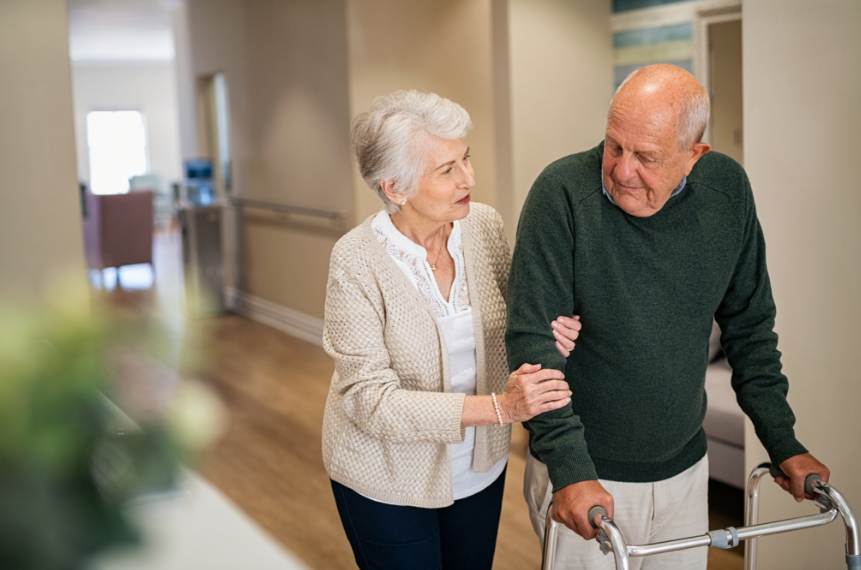
Some individuals may benefit from a cane, walker, or other mobility aid. These devices can improve stability when selected and used appropriately, but incorrect height or technique may create additional hazards. A healthcare professional or physical therapist can recommend suitable equipment and provide instruction on safe use.
Medication effects and other health conditions should also be considered. Certain medications may cause dizziness, drowsiness, or changes in blood pressure, while vision problems, neuropathy, and other conditions can influence balance. A healthcare professional can review these factors as part of a broader fall-risk assessment, helping families understand which concerns are related to arthritis and which may require additional attention.
Recognizing Warning Signs Before a Fall
Families do not need to wait for a serious fall before addressing mobility concerns. Repeated stumbling, difficulty rising from chairs, holding onto furniture while walking, avoiding stairs, or expressing fear about movement can all indicate that an older adult is experiencing changes in stability.
A previous fall or repeated near-falls also deserves evaluation, even when no injury occurred. These experiences may reveal underlying problems with strength, balance, medication effects, or environmental safety that can be addressed before another incident.
Recognizing these warning signs does not mean assuming someone can no longer live independently. Instead, it creates an opportunity to identify practical solutions, whether through medical treatment, physical therapy, home modifications, or additional assistance with demanding activities.
How Home Care Can Support Fall Prevention
Professional home caregivers can play a valuable role in supporting everyday safety for older adults with arthritis. Assistance with bathing, dressing, meal preparation, and moving around the home can reduce the need to rush through activities that have become physically demanding. Caregivers can also help maintain clear walking paths, encourage consistent routines, and observe changes in mobility or confidence that families may not immediately notice.
At TheKey, our Balanced Care Method® emphasizes Move More, recognizing the importance of appropriate physical activity in maintaining strength, mobility, and everyday function. For someone with arthritis, this may involve supporting manageable walks, encouraging participation in household routines, or helping the individual follow activities recommended by a healthcare professional.
Other pillars, including Nourish & Hydrate, Sleep Well, Connect with Others, and Engage with Joy & Purpose, reinforce the broader importance of maintaining physical and emotional well-being. When fear of falling begins limiting social participation or meaningful activities, personalized support can help older adults remain engaged while respecting their mobility needs.
Home care should complement medical evaluation and evidence-based fall-prevention interventions rather than replace them. By combining appropriate clinical guidance with practical daily assistance, families can create a more supportive environment that encourages both safety and independence.
Frequently Asked Questions
Arthritis, particularly when it affects the knees, hips, or feet, can contribute to fall risk through joint pain, stiffness, muscle weakness, and changes in walking patterns. However, falls usually involve multiple contributing factors, making a comprehensive assessment important.
Yes. Joint discomfort, limited mobility, and reduced muscle strength may affect stability and coordination. Balance problems can also result from vision changes, medication effects, neurological conditions, and other health concerns, so persistent symptoms should be evaluated.
Individualized exercises that improve leg strength, balance, coordination, and functional movement can help reduce fall risk. A physical therapist can recommend activities that reflect the person's arthritis symptoms, mobility limitations, and overall health.
Families should seek evaluation after a fall, repeated near-falls, new difficulty walking, or noticeable changes in balance. Sudden neurological symptoms, such as facial drooping, one-sided weakness, or difficulty speaking, require emergency medical care, as do serious injuries following a fall.
Protecting Mobility and Confidence
Fall prevention is not about restricting an older adult's activities or removing every opportunity for independent movement. Excessive restrictions can contribute to weakness, isolation, and reduced confidence, potentially creating additional challenges over time.
A more effective approach combines appropriate arthritis treatment, strength and balance activities, environmental safety, and individualized assistance. By addressing risks early and supporting continued participation in everyday life, families can help older adults with arthritis maintain mobility, confidence, and independence.