(866) 475-4967


Arthritis in the Knees: Walking, Stairs, and Staying Mobile
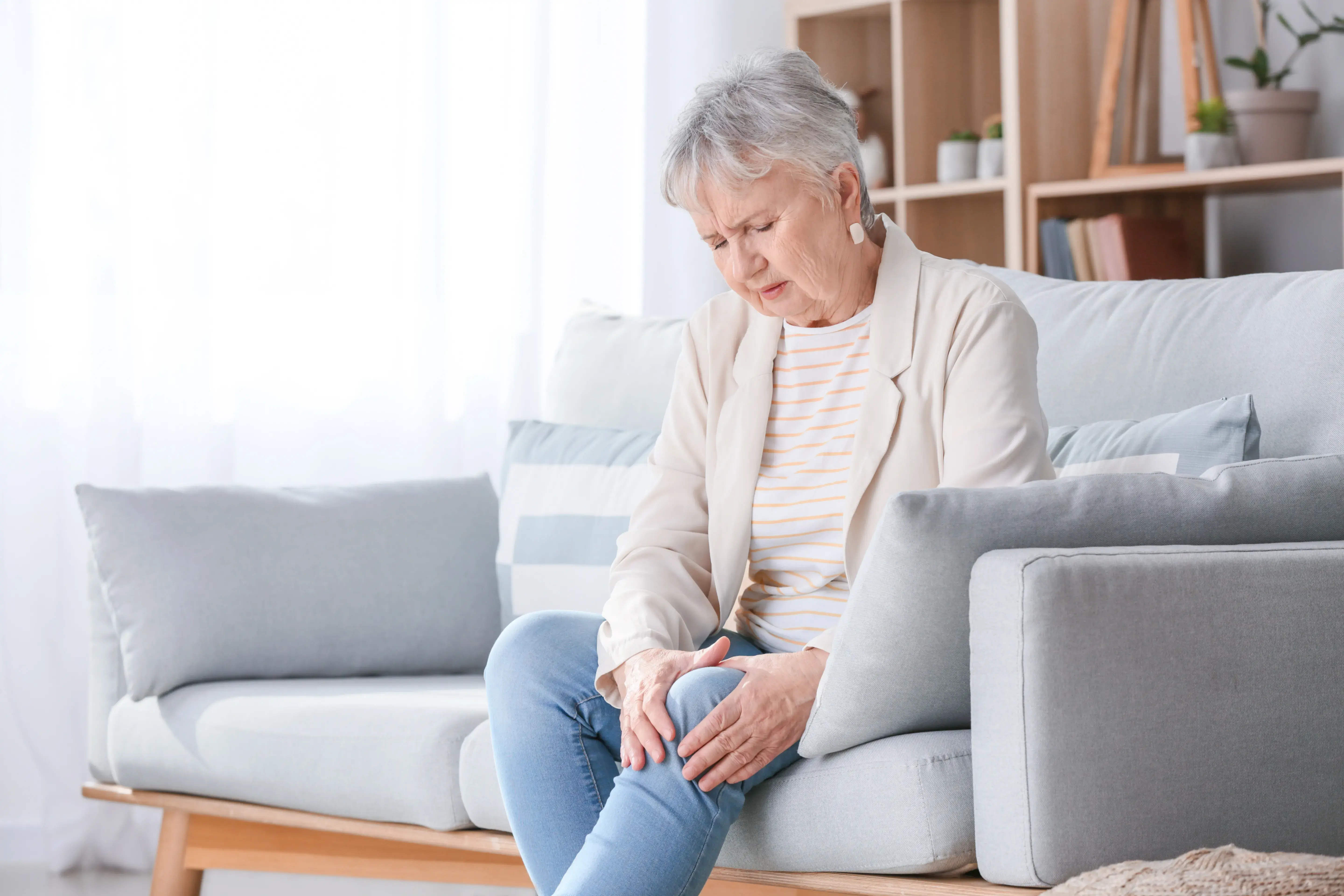
Walking through the house, getting up from a chair, and climbing a few stairs are activities many people rarely think about. But for older adults with knee arthritis, these everyday movements can become increasingly difficult. Pain and stiffness may cause someone to walk more slowly, avoid stairs, or limit trips outside the home, gradually changing how they navigate familiar environments.
These adjustments can have consequences beyond physical discomfort. When movement becomes difficult, older adults may begin participating less in activities they enjoy, which can influence strength, confidence, social connections, and overall independence. Although knee arthritis can create meaningful mobility challenges, appropriate treatment, regular movement, and practical environmental adaptations can help older adults remain active and engaged in daily life.
Why Knee Arthritis Affects Mobility
Osteoarthritis is one of the most common causes of knee pain in older adults. It involves changes in cartilage, bone, and other structures within the joint, which can affect how comfortably the knee moves and bears weight. Symptoms often develop gradually and may include pain during movement, stiffness after rest, swelling, reduced range of motion, and difficulty standing or walking for extended periods.
The impact of knee arthritis can vary considerably from person to person. Some individuals experience discomfort after longer walks or prolonged standing, while others notice pain when bending the knee, rising from a seated position, or descending stairs. Symptoms may also fluctuate depending on activity levels, physical conditioning, and periods of increased inflammation or irritation within the joint.
Because the knees play a central role in supporting body weight and coordinating movement, even moderate symptoms can influence everyday mobility. Pain may cause someone to take shorter steps, walk more cautiously, or shift weight away from the affected leg. Over time, these adjustments can place additional demands on surrounding muscles and other joints, potentially making movement feel more tiring or less stable.
Why Stairs Can Be Especially Difficult
Climbing and descending stairs require the knees to bend while supporting substantial forces. Unlike walking on a level surface, stair navigation places greater demands on the muscles surrounding the knee, particularly those responsible for controlling movement and maintaining stability. When arthritis affects joint function, these movements can become uncomfortable and require additional effort.
Descending stairs can be particularly challenging because the thigh muscles must control the body's movement downward while the knee remains bent. Someone with knee arthritis may feel pain, weakness, or uncertainty about whether the joint will support their weight. Families may notice an older adult holding tightly to railings, taking stairs one step at a time, pausing between steps, or avoiding certain areas of the home altogether.
These changes should not automatically be dismissed as ordinary aging. Difficulty navigating stairs may indicate that pain, muscle weakness, or balance limitations are affecting mobility and safety. A physical therapist can assess the individual's movement patterns, recommend strengthening exercises, and teach techniques that reduce unnecessary strain. Depending on the home environment, additional railings, improved lighting, or changes to frequently used living spaces may also be appropriate.
How Knee Pain Can Lead to Reduced Activity
When walking becomes painful, reducing movement may seem like the most practical way to avoid discomfort. However, prolonged inactivity can contribute to muscle weakness, reduced endurance, and additional difficulty performing everyday activities. The muscles surrounding the knee, particularly those in the thighs and hips, help support joint stability and movement. Maintaining appropriate strength can improve function and make activities such as standing, walking, and climbing stairs more manageable.
This creates an important distinction between avoiding activities that aggravate symptoms and avoiding movement altogether. Someone with knee arthritis may need to shorten walks, take more frequent breaks, or choose lower-impact activities, but maintaining an appropriate level of physical activity remains an important part of arthritis management. A healthcare professional or physical therapist can help determine which movements are beneficial and how to adjust activity when symptoms fluctuate.
Reduced mobility can also affect emotional and social well-being. An older adult who previously enjoyed walking with friends, attending community events, or visiting family may gradually stop participating because leaving home has become uncomfortable or exhausting. These changes can lead to fewer opportunities for connection and enjoyment, even when the individual remains interested in those activities. Supporting mobility therefore involves more than preserving physical strength; it also helps maintain access to relationships, routines, and experiences that contribute to quality of life.
Practical Ways to Support Mobility With Knee Arthritis
Maintain Appropriate Movement and Build Supporting Strength
Regular low-impact activity can help older adults maintain joint mobility, muscle strength, and endurance. Walking, stationary cycling, swimming, and water-based exercise are common options because they can provide movement without the repetitive impact associated with more demanding activities. The most appropriate exercise depends on the individual's symptoms, overall health, and physical abilities.
Strengthening the muscles surrounding the knee is particularly important because these muscles help support the joint during everyday movement. Exercises targeting the thighs, hips, and surrounding muscle groups may improve stability and make tasks such as rising from a chair or navigating stairs easier. Physical therapy can provide individualized guidance, especially when pain, weakness, or balance concerns make independent exercise difficult.
Activity should be increased gradually and adjusted according to symptoms. Some discomfort during exercise may be manageable, but sharp pain, significant swelling, or symptoms that worsen substantially afterward should prompt reassessment. The objective is to develop a sustainable movement routine that supports long-term function rather than pushing through pain to meet a particular distance or exercise target.
Use Assistive Devices and Adapt the Home Environment
For some older adults, a properly fitted cane, walker, or other mobility aid can improve stability and reduce the physical demands of walking. These devices are most effective when selected and used correctly, since improper height or technique can create additional strain. A physical therapist or other qualified healthcare professional can recommend appropriate equipment and provide guidance on safe use.
Home modifications can also make everyday movement safer and less physically demanding. Secure stair railings, adequate lighting, clear walking paths, and stable seating can help reduce obstacles that become more challenging when knee mobility is limited. Chairs with supportive armrests may make standing easier, while relocating frequently used items to accessible areas can reduce unnecessary trips up and down stairs.
The goal is to adapt the environment to the individual's abilities rather than expecting them to navigate every obstacle without assistance. Small changes can make familiar spaces more manageable and help preserve confidence when moving around the home.
Balance Activity With Rest and Recovery
Although regular movement is important, arthritis symptoms can fluctuate, and painful joints may require periods of recovery after demanding activities. Someone who experiences increased discomfort after a long walk or extended standing may benefit from shorter activity sessions spread throughout the day rather than completing everything at once.
Rest should not become prolonged inactivity, since extended periods without movement may contribute to stiffness and reduced strength. A balanced routine might include manageable walks, household activities, seated exercises, and planned breaks based on the person's comfort and energy levels.
When symptoms become more severe or begin interfering with basic mobility, a healthcare professional may recommend changes to the treatment plan. These could include physical therapy, medication, assistive devices, or other interventions based on the individual's condition.
When Knee Arthritis Becomes a Safety Concern
Families should pay attention when knee pain begins affecting an older adult's ability to move safely through familiar environments. Avoiding stairs, struggling to rise from a chair, holding onto furniture while walking, or experiencing repeated near-falls may indicate that pain, weakness, or balance limitations are becoming more significant.
These changes deserve attention because mobility problems can increase the risk of falls and reduce confidence in everyday movement. A healthcare professional can evaluate whether symptoms are related primarily to arthritis or whether additional factors, such as muscle weakness, neurological conditions, or medication effects, may be contributing.
Sudden inability to bear weight, severe swelling, or a hot and painful joint requires prompt medical evaluation. For ongoing mobility limitations, treatment may include physical therapy, medication adjustments, or other approaches designed to improve comfort and function.
Professional home care can complement medical recommendations by assisting with daily activities, supporting safe movement around the home, and helping older adults maintain routines that reflect their abilities.
Supporting Movement Through TheKey's Balanced Care Method®
At TheKey, our Balanced Care Method® recognizes that physical activity is one component of overall well-being. The Move More pillar encourages appropriate movement as part of everyday life, with an emphasis on maintaining function and supporting individual abilities rather than pursuing unrealistic activity goals.
For someone living with knee arthritis, this may involve manageable walks, participation in household routines, or exercises recommended by a physical therapist. The objective is to make movement a consistent and achievable part of daily life while respecting pain levels, mobility limitations, and medical guidance.
Other pillars, including Connect with Others and Engage with Joy & Purpose, reinforce why mobility matters beyond physical health. Being able to move comfortably can help older adults maintain friendships, enjoy hobbies, participate in family activities, and remain connected to their communities. When arthritis limits these opportunities, caregivers can help identify alternative ways to remain involved.
Professional caregivers can assist with transportation, meal preparation, household responsibilities, and daily routines while supporting individualized mobility goals. This type of assistance can reduce the physical demands of everyday life without unnecessarily limiting independence.
Frequently Asked Questions
Walking is often beneficial when appropriately paced and adapted to symptoms. Regular low-impact activity can support muscle strength, joint mobility, and overall health. Individuals experiencing significant pain or instability should seek guidance about appropriate activity levels.
Stair climbing and descending place substantial demands on the knee joint and supporting muscles. Arthritis-related changes can make these movements uncomfortable, particularly when the knee is bent while supporting body weight. Descending stairs may be especially difficult because the muscles must control the body's downward movement.
Not generally. Appropriate exercise is an important part of managing knee arthritis because it supports strength, mobility, and physical function. However, activities may need modification during symptom flares or when medically indicated, and exercise should not be forced through significant pain.
Additional support may be appropriate when pain, weakness, or mobility limitations interfere with bathing, dressing, walking, navigating stairs, or completing other essential activities. Families should also consider an evaluation when an older adult begins avoiding activities because of mobility concerns or experiences repeated near-falls.
Staying Mobile Supports Independence
Knee arthritis can make movement more challenging, but avoiding activity altogether may create additional limitations. With appropriate medical treatment, strengthening, home adaptations, and practical support, many older adults can maintain meaningful levels of mobility and continue participating in daily life.
The objective is not to walk farther or move faster at any cost. It is to preserve the ability to move safely and comfortably, maintain confidence, and remain connected to the activities and relationships that matter most.