Independence is often measured by what someone can do without assistance. But as we age, that definition becomes increasingly limiting, particularly for people living with chronic conditions such as arthritis.
An older adult may still be perfectly capable of making decisions, managing relationships, and maintaining a meaningful daily routine, even when joint pain makes cooking, dressing, or climbing stairs more difficult. Yet when physical abilities change, families sometimes begin taking over responsibilities without realizing how those changes can affect a loved one's sense of control.
Arthritis is one of the most common causes of pain and physical limitations among older adults. While its symptoms can affect everyday activities, they don't have to determine how someone experiences independence.
The challenge for families is learning how to provide the right amount of support without unnecessarily limiting what their loved one can still do.
Arthritis Changes More Than Physical Mobility
Arthritis is not a single disease. It describes a group of conditions affecting the joints and surrounding tissues. Osteoarthritis, the most common form, involves changes in cartilage, bone, and other joint structures. Rheumatoid arthritis is an autoimmune disease that causes inflammation and can affect multiple joints.
Both conditions can interfere with everyday activities, although their symptoms, progression, and treatments differ.
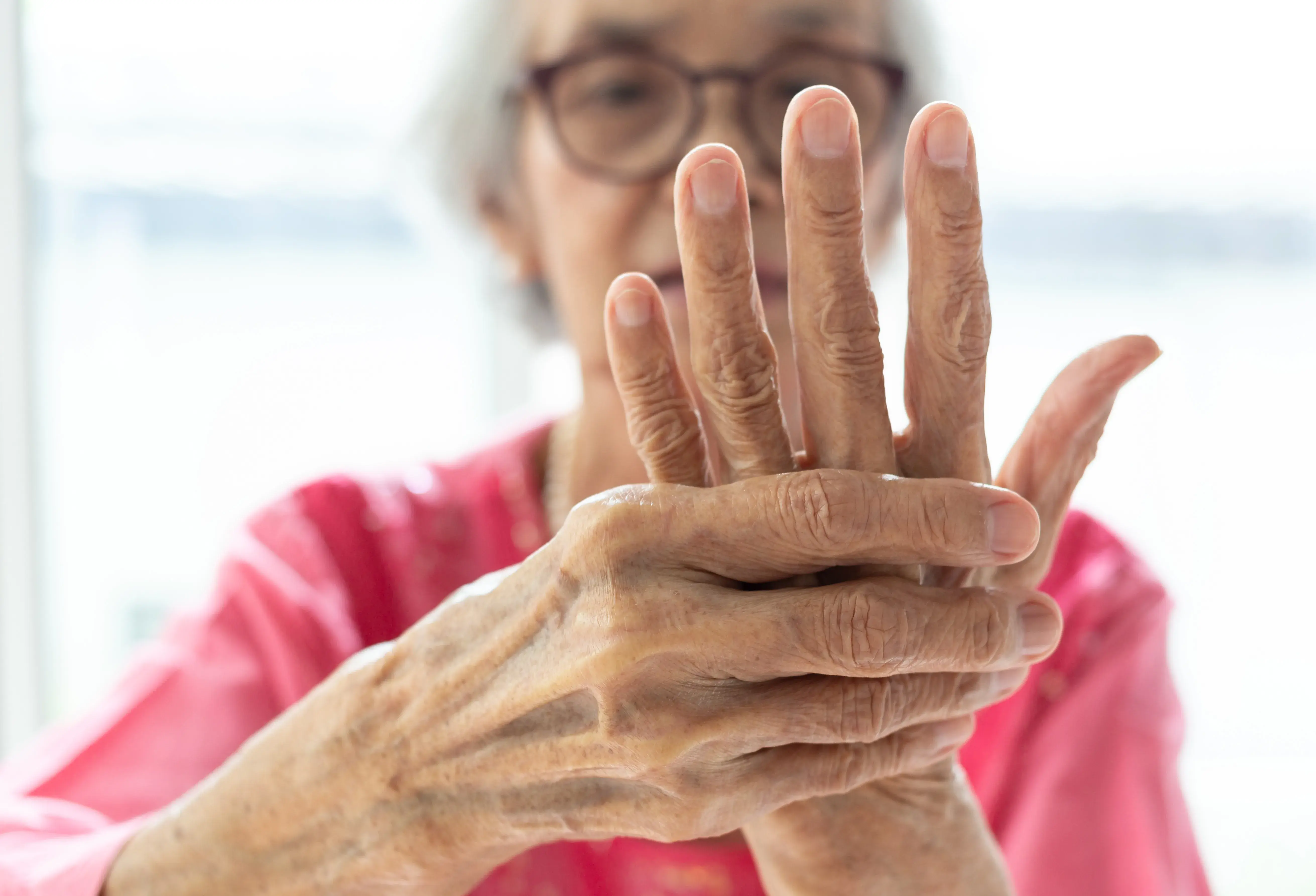
For someone with arthritis in their hands, opening containers, preparing meals, or fastening buttons may become difficult. Arthritis in the knees or hips can make standing, walking, and climbing stairs uncomfortable. Pain, stiffness, and fatigue may also make familiar activities take longer or require more effort.
Over time, these physical changes can influence behavior. Someone who once enjoyed cooking may stop preparing meals. A person who regularly attended social gatherings may begin declining invitations because getting dressed or leaving the house feels exhausting.
Families may interpret these changes as a loss of interest or motivation when the underlying issue is actually physical discomfort.
Recognizing this distinction matters because the appropriate response may be to make activities more accessible rather than eliminate them.
The Emotional Impact of Losing Everyday Abilities
Arthritis can also affect how older adults perceive themselves.
Activities such as preparing breakfast, tending a garden, or walking to a neighborhood café may seem ordinary, but they often represent much more than the tasks themselves. They provide structure, familiarity, accomplishment, and a sense of personal identity.
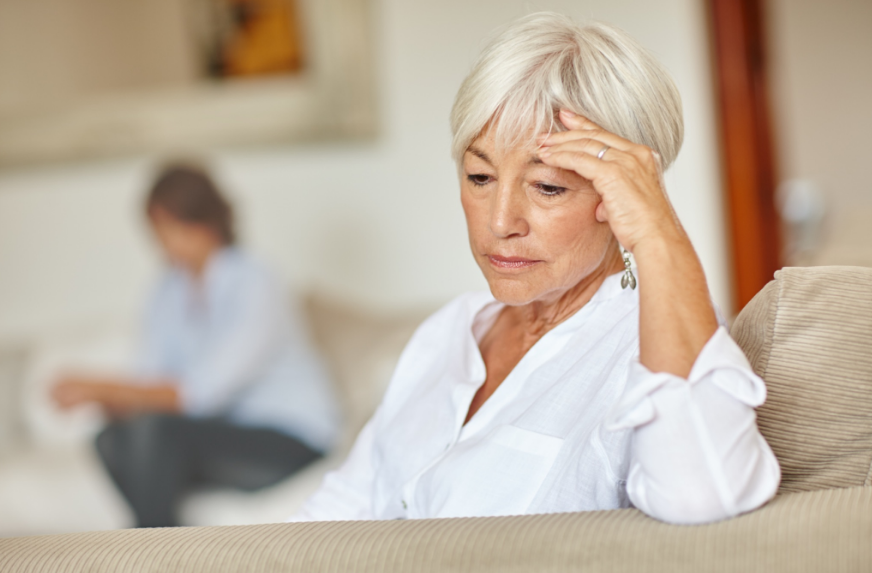
When pain makes these activities difficult, an older adult may experience frustration, embarrassment, or anxiety about becoming dependent on others.
Some people respond by pushing through discomfort. Others begin avoiding activities altogether, even when modifications could make participation possible.
Families may unintentionally reinforce this withdrawal by stepping in too quickly. Taking over every household responsibility may appear helpful, but it can reduce opportunities for movement, decision-making, and meaningful engagement.
Supporting independence requires recognizing that physical assistance and personal autonomy are not the same thing. Someone may need help completing an activity while still wanting control over how and when it happens.
Five Ways Families Can Help Older Adults Maintain Independence With Arthritis
1. Focus on What Someone Can Still Do
When arthritis affects daily activities, families naturally notice what has become difficult. A more productive approach is to identify which parts of an activity remain manageable and where assistance would be most helpful.
For example, someone who struggles to stand for extended periods may still enjoy planning meals, selecting ingredients, or preparing food while seated. An older adult with painful hands may need help opening containers but remain comfortable completing other cooking tasks.
Preserving participation supports confidence and helps maintain a sense of accomplishment. The objective is not to insist that someone perform activities that cause significant pain, but to create opportunities for continued involvement.
2. Adapt the Home to Reduce Physical Strain
Small environmental changes can make everyday routines easier for people with arthritis.
Lever-style door handles, easy-grip kitchen utensils, and clothing with simpler fasteners may reduce the need for painful gripping or twisting. Shower chairs, grab bars, improved lighting, and clear walking paths can also support comfort and safety.
For individuals with knee or hip arthritis, seating height and furniture placement may influence how easily they can stand or move around the home.
An occupational therapist can recommend adaptive equipment and techniques based on the person's specific limitations. Home modifications should address actual needs rather than assume that every older adult with arthritis requires the same adjustments.
3. Encourage Movement Without Pushing Through Pain
When joints hurt, avoiding movement can seem like the safest choice. However, prolonged inactivity can contribute to muscle weakness, stiffness, and reduced physical endurance.
Appropriate physical activity is an important part of managing many forms of arthritis. Walking, gentle stretching, water-based exercise, and strength-building activities may help maintain joint function and mobility when tailored to individual abilities.
Families can support movement by encouraging manageable activities, allowing rest periods, and helping older adults follow recommendations from their healthcare professionals.
The goal is consistency rather than intensity. Activities should be adjusted when symptoms worsen, and new or severe joint pain should be evaluated rather than ignored.
4. Protect Social Connections and Meaningful Activities
Arthritis can gradually narrow someone's world. When getting dressed, walking, or traveling becomes uncomfortable, older adults may begin spending more time at home and participating less in activities they enjoy.
This withdrawal can affect emotional well-being and contribute to loneliness.
Families can help by making social participation more accessible. That might mean arranging transportation, choosing locations with minimal stairs, planning shorter outings, or adapting hobbies to accommodate physical limitations.
Maintaining relationships and purposeful activities is not separate from managing arthritis. It is part of supporting overall quality of life.
5. Offer Help Without Taking Away Choice
One of the most important ways to preserve independence is to involve older adults in decisions about their own care.
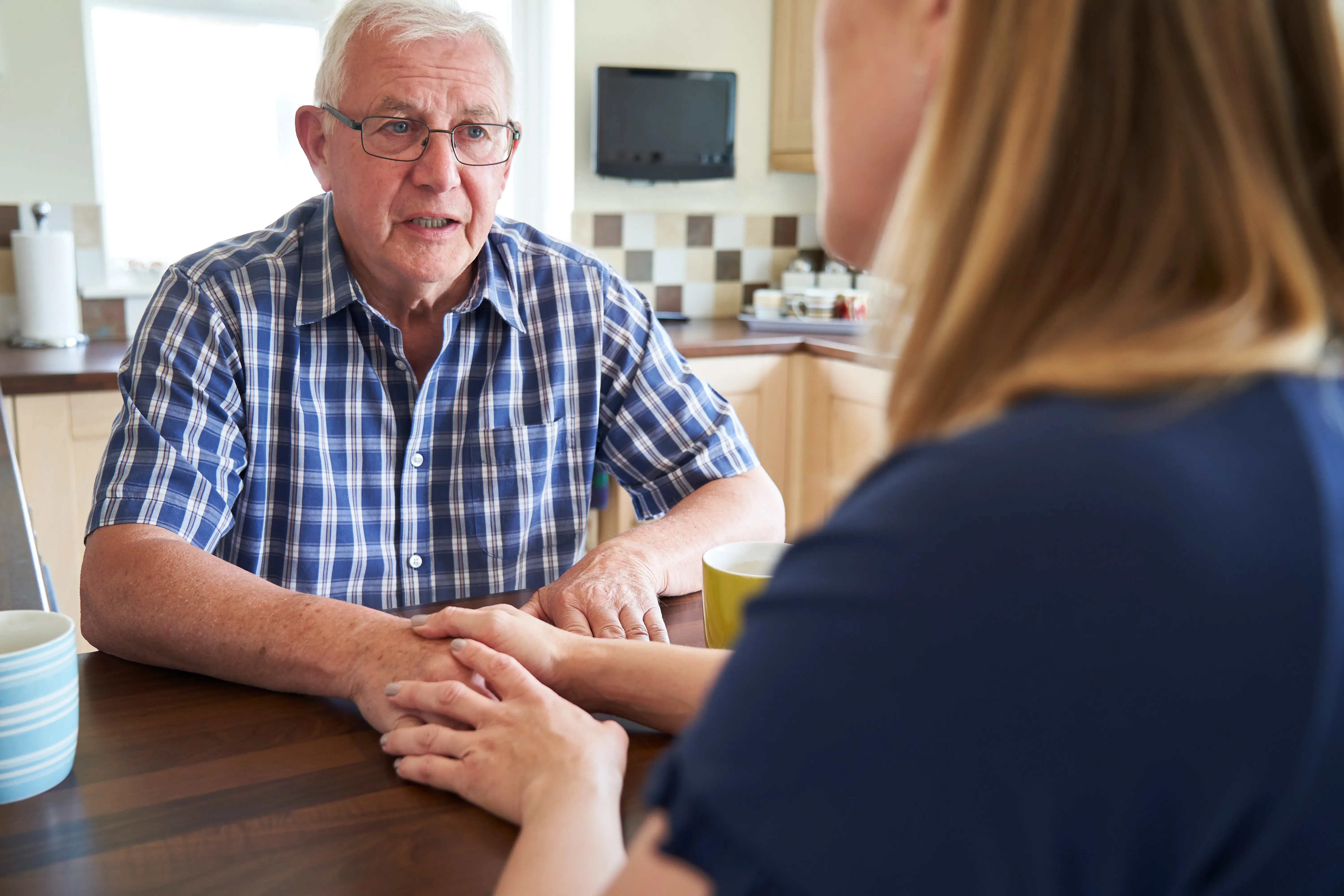
Rather than assuming which activities require assistance, families can ask what feels difficult, what the person would prefer to continue doing independently, and where support would make life easier.
For example, an older adult may welcome help with laundry and grocery shopping while strongly preferring to prepare their own breakfast or maintain their morning routine.
Respecting these preferences can make assistance feel collaborative rather than restrictive.
Independence is not necessarily the absence of help. It is the ability to maintain meaningful choices and participate in daily life according to one's abilities and preferences.
When Arthritis Begins to Affect Safety at Home
Although maintaining independence is important, families should also recognize when arthritis-related limitations create safety concerns.
Difficulty getting out of bed, repeated near-falls, problems entering the shower, or an inability to prepare meals may indicate that additional support is needed. Significant changes in mobility or daily functioning should prompt a discussion with a healthcare professional.
A comprehensive approach may include medical treatment, physical or occupational therapy, adaptive equipment, home modifications, and assistance with everyday activities.
Professional home care can complement these interventions by providing support with bathing, dressing, meal preparation, mobility, transportation, and household routines.
The purpose of additional assistance should be to make daily life safer and more manageable while preserving the person's involvement wherever possible.
Supporting Independence Through TheKey's Balanced Care Method®
At TheKey, our science-informed Balanced Care Method® recognizes that physical health, emotional well-being, social connection, and daily routines are interconnected.
For older adults living with arthritis, several pillars are especially relevant. Move More supports appropriate physical activity and mobility, while Nourish & Hydrate encourages healthy eating and hydration. Connect with Others and Engage with Joy & Purpose emphasize maintaining relationships, interests, and activities that make daily life meaningful.
Sleep Well is also important because arthritis pain can interfere with rest, contributing to fatigue and increased pain sensitivity.
By understanding the individual's abilities, preferences, and daily challenges, caregivers can provide personalized assistance that supports participation rather than automatically taking over activities.
This approach recognizes that independence is not defined solely by physical ability. It also includes dignity, personal choice, and the opportunity to remain engaged in everyday life.
Redefining Independence as We Age
Arthritis may change how someone performs everyday activities, but it doesn't have to eliminate the experiences, relationships, and routines that give life meaning.
For families, the most effective approach is often a balance between practical assistance and continued participation. By adapting activities, addressing safety concerns, and respecting personal preferences, it is possible to support both physical well-being and a sense of control.
The measure of independence should not be whether an older adult can do everything alone. It should be whether they have the support, opportunities, and freedom to continue living life on their own terms.
Learn more about TheKey's personalized home care services and how we help older adults maintain independence while managing chronic conditions.
 (866) 475-4967