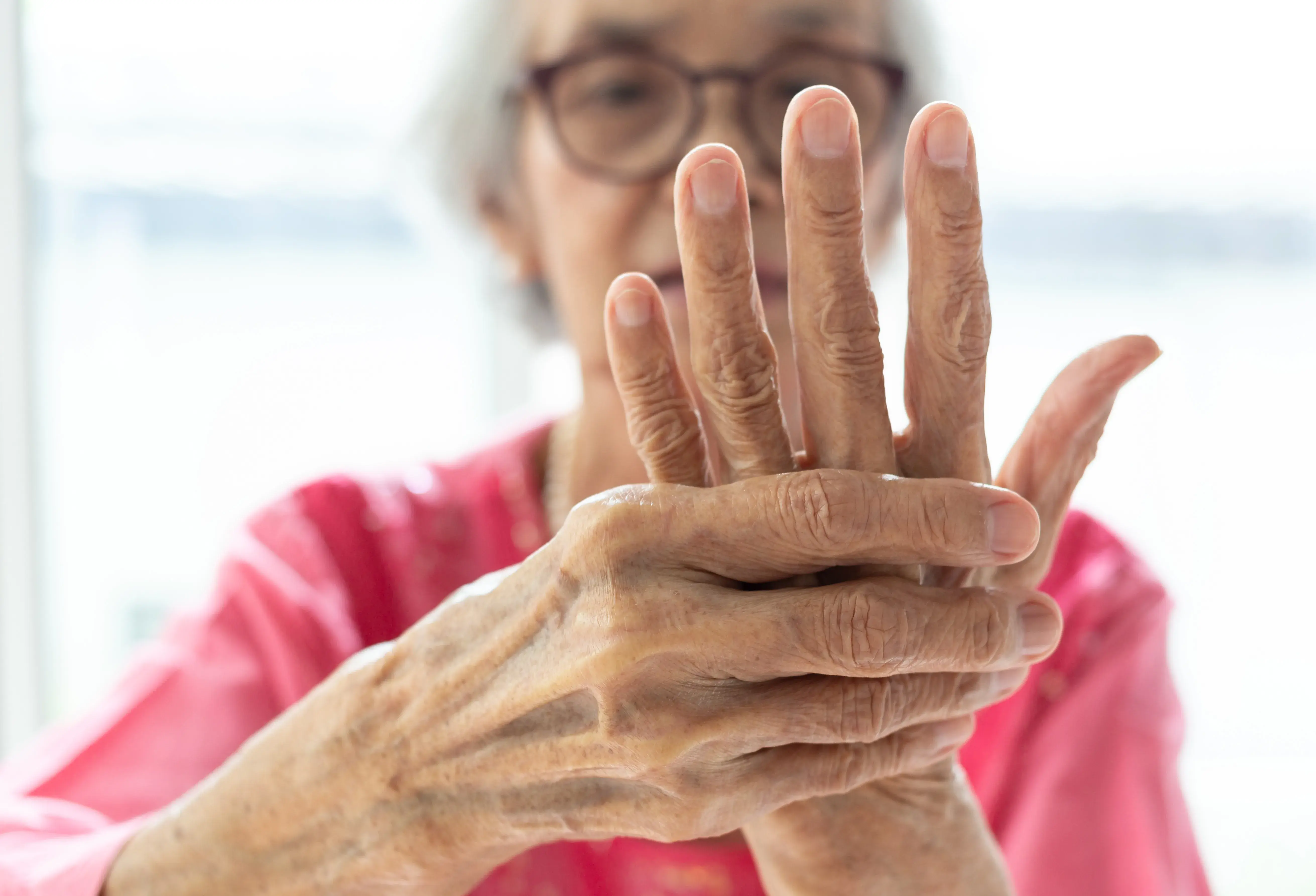
When an older adult begins experiencing joint pain, stiffness, or swelling, arthritis is often one of the first explanations considered. But arthritis isn't a single condition, and understanding which type someone has can make a significant difference in how symptoms are evaluated and managed.
Two important forms are osteoarthritis and rheumatoid arthritis. Both can interfere with everyday activities, but they develop for different reasons, affect the body differently, and require different treatment approaches. For families, understanding these distinctions can help them recognize symptoms, ask informed questions, and provide appropriate support at home.
What Is Osteoarthritis?
Osteoarthritis is the most common form of arthritis. It involves changes in the cartilage, bone, and other tissues that make up a joint. Although osteoarthritis becomes more common with age, it isn't simply an inevitable consequence of getting older. Previous injuries, genetics, joint mechanics, body weight, and other factors can influence its development.
Osteoarthritis frequently affects the knees, hips, hands, and spine. Symptoms may include pain during or after activity, stiffness following periods of inactivity, reduced range of motion, and occasional swelling. Someone with knee osteoarthritis, for example, may find that climbing stairs becomes uncomfortable, while arthritis in the hands may make opening jars or fastening buttons more difficult.
Stiffness after waking is common, but it often improves within approximately 30 minutes of movement. Symptoms may affect one joint more than another, particularly when previous injuries or uneven joint stress are involved. The severity of symptoms can also fluctuate, with some days feeling relatively manageable and others requiring adjustments to daily activities.
What Is Rheumatoid Arthritis?
Rheumatoid arthritis is an autoimmune disease in which the immune system mistakenly attacks tissues lining the joints, producing inflammation. Unlike osteoarthritis, rheumatoid arthritis is a systemic inflammatory condition, meaning its effects can extend beyond the joints. Some individuals experience fatigue, reduced energy, and a general feeling of being unwell, while others develop inflammation affecting additional organs.
Rheumatoid arthritis often affects smaller joints in the hands, wrists, and feet, frequently on both sides of the body. Morning stiffness may last longer than an hour, although symptom patterns vary. Joint swelling, warmth, tenderness, and persistent fatigue can also occur, sometimes making routine activities difficult even when the person has not been especially physically active.
Although rheumatoid arthritis is often associated with middle adulthood, it can develop for the first time later in life. This is particularly important because new joint pain in an older adult may be attributed to osteoarthritis without considering an inflammatory condition. Early diagnosis and appropriate treatment are essential because uncontrolled inflammation can lead to progressive joint damage and loss of function.
Osteoarthritis vs. Rheumatoid Arthritis: Key Differences
| Feature |
Osteoarthritis |
Rheumatoid Arthritis |
| Main cause |
Changes in joint tissues |
Autoimmune inflammation |
| Commonly affected joints |
Knees, hips, hands, spine |
Hands, wrists, feet, other joints |
| Morning stiffness |
Often brief |
Often prolonged |
| Joint pattern |
May be uneven or localized |
Often affects both sides |
| Fatigue |
Possible, especially with pain or poor sleep |
Common |
| Treatment focus |
Pain relief, movement, function |
Control inflammation, prevent joint damage, preserve function |
These differences provide useful clues, but symptoms alone cannot reliably establish a diagnosis. Some people experience overlapping symptoms, and it is possible to have both conditions. A healthcare professional can evaluate the pattern of joint involvement, examine affected joints, and recommend appropriate testing.
Why the Distinction Matters for Treatment
The type of arthritis influences both immediate symptom management and long-term treatment decisions. Osteoarthritis care commonly focuses on reducing pain, improving mobility, and preserving joint function. Depending on the individual, treatment may include therapeutic exercise, physical therapy, weight management when appropriate, assistive devices, and medications for symptom relief. Some people with advanced joint damage may eventually consider joint replacement surgery.
Rheumatoid arthritis requires a different approach because the underlying problem is immune-driven inflammation. Treatment typically involves medications called disease-modifying antirheumatic drugs, or DMARDs, which aim to control inflammation and prevent permanent joint damage. A rheumatologist generally helps guide treatment and monitor the condition over time.
This distinction matters because pain relievers alone do not address the autoimmune process responsible for rheumatoid arthritis. Delaying appropriate treatment may allow inflammation to continue damaging joints, even when symptoms temporarily improve. Families should therefore avoid assuming that all arthritis can be managed with the same remedies or that persistent joint pain is simply part of aging.
How Arthritis Can Affect Everyday Independence
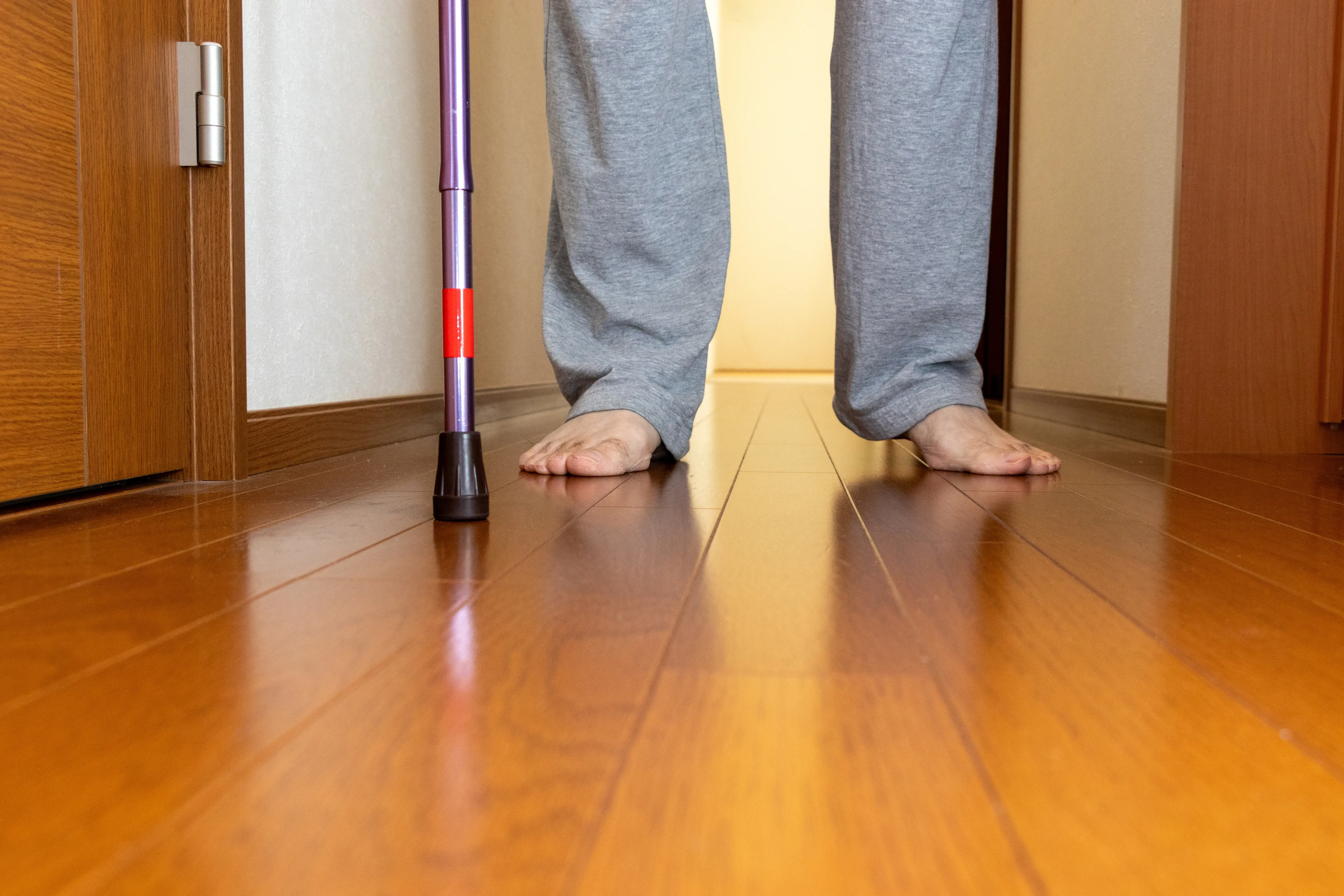
Despite their different causes, both conditions can interfere with activities that older adults rely on to maintain independence. Hand pain and stiffness may make fastening clothing, opening medication containers, preparing meals, or using household tools more difficult. Knee and hip symptoms can affect walking, standing, getting out of chairs, and navigating stairs.
The impact is not always limited to physical discomfort. When pain makes movement more demanding, someone may begin avoiding activities they previously enjoyed. Fatigue and disrupted sleep can further reduce energy, while difficulty completing familiar tasks may affect confidence. These changes can accumulate gradually, making it important to recognize how arthritis influences daily routines rather than focusing only on pain levels.
Practical adaptations can make a meaningful difference. Adaptive utensils, supportive seating, easy-grip tools, and appropriate assistive devices may reduce strain and help preserve participation. An occupational therapist or physical therapist can recommend strategies based on the person's diagnosis, abilities, and home environment.
The objective is not to eliminate activity but to find ways for older adults to remain active and engaged without placing unnecessary stress on affected joints.
When Should Joint Symptoms Be Evaluated?
New or persistent joint pain, swelling, or stiffness should be discussed with a healthcare professional, particularly when symptoms interfere with everyday activities. Prolonged morning stiffness, swelling in several joints, symptoms affecting both sides of the body, or unexplained fatigue may raise concern for inflammatory arthritis.
A clinician may use a physical examination, medical history, blood tests, and imaging to help determine the cause. Because rheumatoid arthritis and osteoarthritis require different management approaches, identifying the correct diagnosis can influence both symptom relief and long-term outcomes.
A suddenly hot, severely painful, swollen joint—particularly when accompanied by fever—requires urgent medical evaluation. Joint infection and other serious conditions can resemble arthritis and should not be overlooked.
Supporting Daily Life With Arthritis
At TheKey, we recognize that managing a chronic condition involves more than medical appointments and treatment plans. The ability to move comfortably, sleep well, maintain relationships, and participate in meaningful activities all contributes to quality of life.
Our Balanced Care Method® encourages healthy habits through six interconnected pillars. For someone living with arthritis, Move More can support appropriate physical activity that helps maintain strength and mobility, while Sleep Well recognizes the importance of restorative rest when discomfort interferes with nighttime sleep. Engage with Joy & Purpose also reinforces the value of continuing activities that provide satisfaction and a sense of independence, even when those activities require adaptation.
Professional home caregivers can assist with meals, personal care, transportation, and household responsibilities while supporting routines recommended by healthcare professionals. This type of practical assistance can help reduce the physical demands of everyday tasks without unnecessarily limiting what someone can do independently.
Understanding the Condition Is the First Step
Osteoarthritis and rheumatoid arthritis may share symptoms, but they are not interchangeable diagnoses. Understanding the differences helps families recognize why individualized treatment matters and how daily support can complement medical care.
With appropriate evaluation, treatment, and practical adjustments, many older adults can continue living active, meaningful lives while managing arthritis. The goal is to preserve mobility, comfort, and independence while ensuring that each condition receives the care it requires.
 (866) 475-4967