(866) 475-4967


Creating a Safer Nighttime Routine for Older Adults
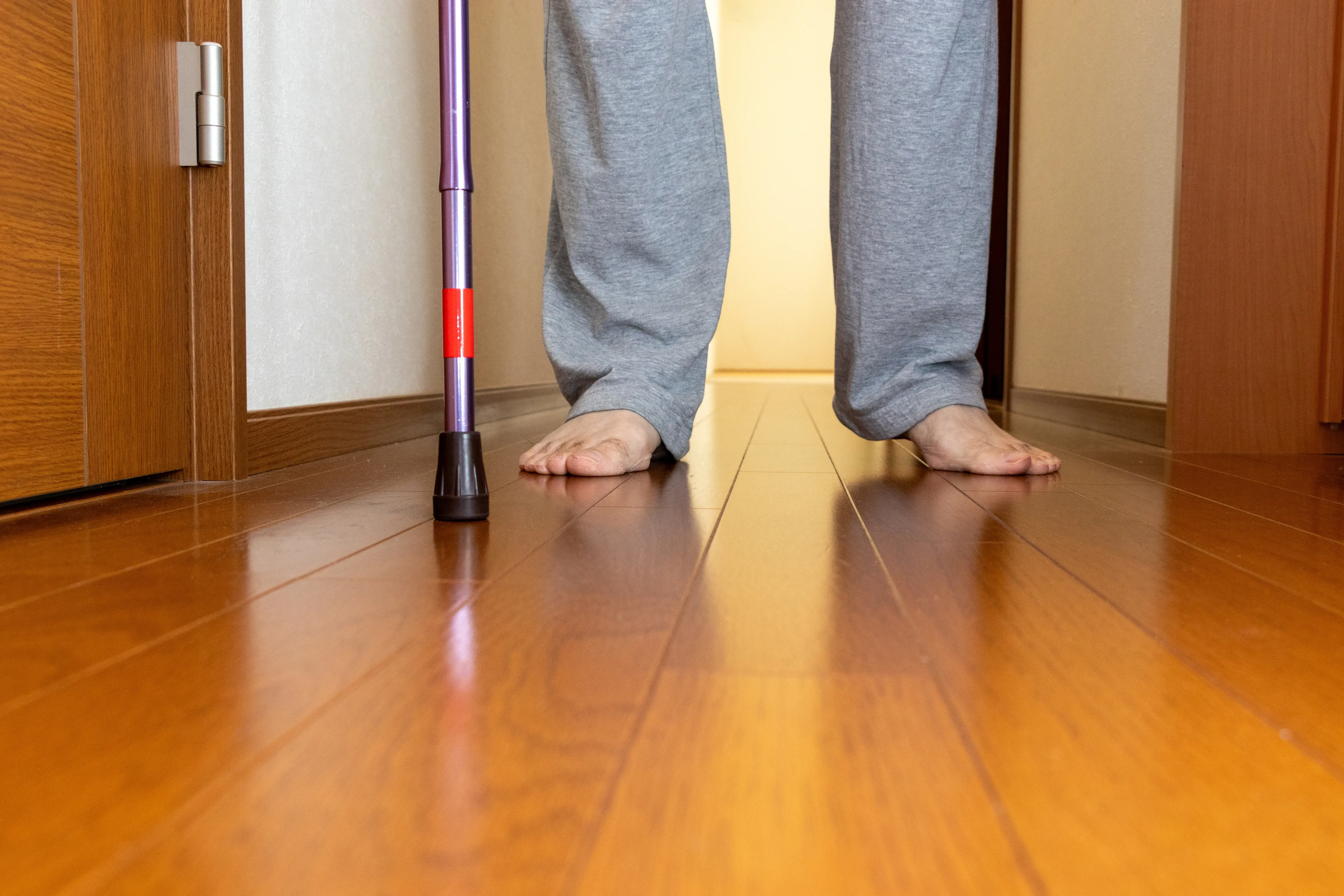
A home that feels comfortable and familiar during the day can present unexpected challenges at night. Reduced lighting, fatigue, medication effects, and difficulty moving after several hours of rest can make ordinary activities more demanding. Something as simple as getting out of bed to use the bathroom may require additional strength, balance, and coordination.
For older adults living with arthritis, mobility limitations, dementia, or other chronic conditions, these challenges can become more significant. Someone who moves confidently through the home during the day may feel unsteady after waking, while another person may become disoriented in the darkness or struggle to reach the bathroom safely.
Creating a safer nighttime routine is about more than preventing falls. It is also about supporting comfort, confidence, restorative sleep, and the ability to remain independent at home. Families can often make meaningful improvements through practical adjustments to the environment, thoughtful daily routines, and appropriate support when additional assistance is needed.
Why Nighttime Safety Matters for Older Adults
Nighttime presents a combination of physical and environmental challenges that may not be as noticeable during waking hours. When someone gets out of bed, they may still be sleepy, their eyes may not have adjusted to the lighting, and their muscles or joints may feel stiff after prolonged rest. These factors can affect balance and coordination, particularly for older adults who already experience mobility limitations.
Certain medical conditions can increase these challenges. Arthritis may cause stiffness or discomfort when standing, while Parkinson's disease and other neurological conditions can affect movement and balance. Someone living with dementia may become confused about where they are or have difficulty navigating familiar surroundings after waking.
Medications can also influence nighttime safety. Some prescription sleeping pills, pain medications, and other treatments may cause dizziness, sedation, or changes in blood pressure that make standing and walking more difficult. These effects can be especially concerning when someone needs to move quickly or navigate an unfamiliar obstacle.
Frequent nighttime bathroom trips introduce another layer of risk. An older adult who experiences urinary urgency may rush to reach the toilet, increasing the likelihood of losing balance. Poor lighting, loose rugs, or cluttered pathways can make the situation more dangerous.
Because these risks vary between individuals, nighttime safety should be approached as a personalized part of healthy aging rather than a single checklist that applies equally to everyone.
1. Make the Bedroom Easy to Navigate
A safer nighttime environment begins with a bedroom that allows someone to move comfortably and predictably. Clear pathways between the bed, bathroom, and frequently used furniture can reduce unnecessary obstacles, particularly when the person is sleepy or moving in low lighting.
Families should remove clutter, electrical cords, and loose rugs from walking areas. Furniture should be arranged to provide adequate space for mobility aids, and frequently used items should remain within easy reach. A stable bedside table can help keep essentials such as glasses, a phone, or a call device accessible without requiring someone to stretch or reach awkwardly.
Bed height is another important consideration. A bed that is too high may make it difficult to place both feet securely on the floor, while one that is too low may require additional effort to stand. The appropriate height depends on the individual's strength, mobility, and ability to transfer safely.
For someone living with dementia, maintaining a familiar layout can be particularly helpful. Moving furniture or changing the location of everyday objects may increase confusion, especially during nighttime awakenings. A consistent environment can provide reassurance and make it easier to navigate the bedroom without unnecessary uncertainty.
2. Improve Lighting Without Disrupting Sleep
Adequate lighting is one of the simplest ways to reduce nighttime hazards, but the goal is to improve visibility without creating an environment that makes it difficult to return to sleep.
Bright overhead lights may be useful during the day but can feel uncomfortable or stimulating when someone wakes during the night. Low-level lighting along the route from the bed to the bathroom may provide a better balance between visibility and comfort.
Motion-activated nightlights can be helpful in hallways, bedrooms, and bathrooms, particularly when they illuminate automatically as someone begins moving. Stairways, changes in floor level, and areas where furniture creates obstacles should also be clearly visible.
Lighting needs may differ for individuals with vision problems or cognitive impairment. Someone living with dementia may have difficulty interpreting shadows or distinguishing objects in dim environments. Consistent lighting and familiar visual cues can help make surroundings easier to recognize.
Families should also consider whether lighting controls are accessible. A bedside lamp or easily reached switch can reduce the need to walk through a dark room before turning on a light.
3. Plan for Nighttime Bathroom Trips
Frequent nighttime urination, also called nocturia, is common among older adults and can create additional safety concerns. Someone who wakes several times to use the bathroom may need to navigate the home repeatedly while sleepy, increasing exposure to potential hazards.
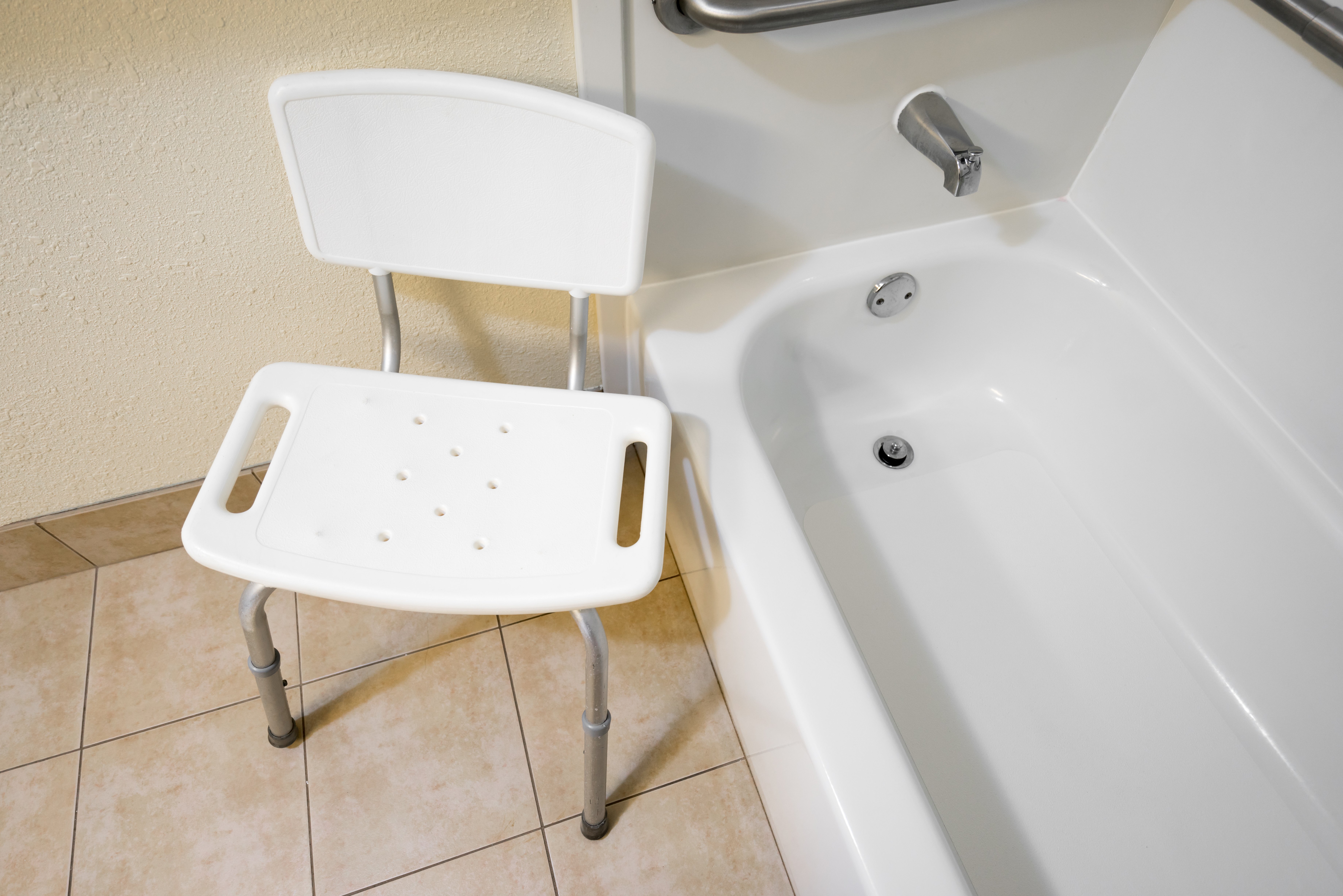
Keeping the bathroom route clear and appropriately lit is an important first step. Supportive, nonslip footwear may provide additional stability, particularly for individuals who experience balance problems or joint stiffness. Bathroom floors should remain dry, and securely installed grab bars may be helpful when someone needs assistance with standing or sitting.
For older adults with significant mobility limitations, a bedside commode may reduce the distance required to reach a toilet. However, the appropriate equipment should be selected based on the person's mobility, cognitive functioning, and home environment, ideally with guidance from a healthcare professional or occupational therapist.
Families should also recognize that frequent nighttime urination may have treatable causes. Medication effects, bladder conditions, diabetes, sleep apnea, and other medical problems can contribute to nocturia. Persistent or worsening symptoms deserve evaluation rather than being assumed to be an unavoidable part of aging.
Fluid timing may be worth discussing with a healthcare professional, but older adults should not excessively restrict hydration in an attempt to prevent bathroom trips. Maintaining appropriate fluid intake remains important for overall health.
4. Review Mobility and Bed Transfer Safety
Getting out of bed requires several coordinated movements, including sitting upright, placing the feet securely on the floor, standing, and beginning to walk. These actions may become more difficult when someone experiences muscle weakness, arthritis, balance problems, or dizziness.
An older adult with knee or hip arthritis may need additional time to move comfortably after lying still for several hours. Someone who experiences lightheadedness when standing may benefit from a slower transition from lying down to sitting and standing, depending on their medical condition and care plan.
Physical and occupational therapists can assess mobility and recommend appropriate techniques or equipment to support safer transfers. This may include adjustments to bed height, mobility aids, or other modifications based on the individual's functional abilities.
Bed rails require particular caution. Although some products are marketed as safety devices, certain rails can create entrapment, injury, or climbing hazards, especially for individuals living with dementia or experiencing confusion. They should not be installed casually or treated as a universal solution for preventing falls.
The most appropriate approach is to identify the specific difficulty the person experiences and select equipment or assistance that addresses that need without introducing additional risks.
5. Consider Medication Effects on Nighttime Safety
Medications can influence nighttime mobility in ways that are not always obvious. Certain sleeping pills, pain medications, and other treatments may cause drowsiness, dizziness, confusion, or changes in blood pressure. These effects can persist after someone wakes and may interfere with their ability to move safely.
For example, an older adult who takes a sedating medication before bed may still experience impaired coordination when getting up several hours later to use the bathroom. Someone who takes multiple medications may also be more vulnerable to interactions that affect alertness or balance.
Families should pay attention to changes in nighttime behavior, including unusual drowsiness, difficulty standing, confusion, or increased unsteadiness. A fall or near-fall may be an important reason to request a medication review.
Healthcare professionals can evaluate whether medication effects may be contributing to nighttime safety concerns and determine whether changes are appropriate. Families should not independently stop or adjust prescribed medications, particularly because some treatments require gradual tapering or other precautions.
Medication safety is an important part of fall prevention, especially when combined with environmental adjustments and appropriate mobility support.
6. Create a Predictable and Comfortable Evening Routine
A consistent evening routine can help older adults transition from daytime activity to nighttime rest. Familiar activities provide cues that the day is coming to an end and may reduce uncertainty, particularly for individuals who experience anxiety or cognitive changes.
A calming routine might include changing into comfortable clothing, completing personal care, preparing the bedroom, and spending time with a quiet activity. Listening to familiar music, reading, or enjoying a relaxed conversation may help create a more comfortable transition to bedtime.
Reducing loud television, excessive noise, and other stimulating activities may also support sleep. However, routines should remain flexible enough to accommodate individual preferences and changing needs. Bedtime should not become another source of pressure or frustration.
For someone living with dementia, predictability can be especially reassuring. Familiar sequences of activities may help reduce confusion, while calm communication and consistent surroundings can make nighttime transitions easier.
Caregivers should also consider whether physical discomfort is interfering with rest. Pain, hunger, thirst, uncomfortable clothing, or the need to use the bathroom may contribute to restlessness. Addressing these needs before bedtime can help create a more comfortable environment.
The goal is not to impose a rigid schedule but to develop familiar routines that support comfort, confidence, and restorative sleep.
7. Support Daytime Habits That Make Nights Safer
Nighttime safety is closely connected to what happens during the day. Appropriate physical activity can help maintain strength, balance, and mobility, which are important for moving safely around the home. Consistent sleep schedules and meaningful daytime engagement may also support healthier sleep patterns.
For older adults who spend much of the day sitting, manageable movement can help preserve physical functioning. Short walks, gentle exercises, and familiar household activities may provide opportunities to remain active without requiring strenuous exertion.
Adequate nutrition and hydration are also important. Poor hydration can contribute to weakness, dizziness, and other health concerns, while irregular eating patterns may affect comfort and energy levels. Families should consider individual medical needs when adjusting fluid intake or meal timing.
Social connection and meaningful activities can provide structure throughout the day. Someone who participates in enjoyable routines may find it easier to maintain a consistent sleep-wake schedule than someone whose days involve prolonged inactivity and irregular periods of rest.
These habits do not eliminate every nighttime safety concern, but they can support the physical and emotional well-being that helps older adults function more confidently throughout the day and night.
When Additional Nighttime Support May Be Needed
Environmental adjustments and consistent routines can reduce many nighttime hazards, but some older adults require additional assistance to remain safe.
Families should consider further evaluation when someone experiences repeated falls or near-falls, difficulty getting out of bed, trouble reaching the bathroom, or significant changes in mobility. New confusion, unusual nighttime behavior, or a sudden decline in functioning may also indicate a medical concern that requires attention.
A healthcare professional can assess possible underlying conditions, while physical and occupational therapists can recommend mobility strategies, assistive equipment, or home modifications. The appropriate level of support depends on the person's health, functional abilities, cognitive status, and living environment.
Home care may provide practical assistance with bedtime preparation, personal care, mobility, and nighttime routines. Some individuals may benefit from occasional support, while others require overnight assistance because of repeated toileting needs, confusion, or difficulty moving safely without help.
The decision should reflect the individual's needs and preferences while considering whether the current environment provides adequate support.
TheKey's Balanced Care Method® and Nighttime Well-Being
At TheKey, our Balanced Care Method® recognizes Sleep Well as one of six interconnected pillars that support healthy aging. Restorative sleep influences physical functioning, emotional well-being, and the ability to participate in meaningful daily activities, making nighttime comfort and safety important considerations in an individual's overall care routine.
The approach also emphasizes Move More, Nourish & Hydrate, Connect with Others, Engage with Joy & Purpose, and Flex Your Mind. These principles reflect the relationship between daily habits and overall well-being, including the ways movement, nutrition, social connection, and consistent routines can support healthier sleep patterns.
For older adults with nighttime mobility challenges, professional caregivers can help maintain familiar routines, support appropriate personal care, and create safer environments. They may also assist with toileting, transfers, and other nighttime activities when these tasks have become difficult to manage independently.
Caregivers can observe changes in sleep, mobility, confusion, or nighttime behavior and communicate concerns to families when additional medical guidance may be appropriate.
The goal is to provide individualized support that promotes comfort and safety while preserving as much independence and personal choice as possible.
Frequently Asked Questions
Families can reduce nighttime fall hazards by improving lighting, clearing walking paths, addressing mobility concerns, and ensuring that appropriate footwear and assistive devices are available. Medication reviews and professional evaluation may also be important when someone experiences dizziness, balance problems, or repeated falls.
Not always. Some bed rails can create entrapment, injury, or climbing hazards, particularly for individuals with cognitive impairment. Equipment should be selected with guidance from a healthcare professional who can assess the person's mobility, safety needs, and home environment.
Nighttime bathroom trips can increase fall risk because older adults may be sleepy, moving in low lighting, or experiencing joint stiffness and balance difficulties. Urinary urgency may also encourage rushing, making it harder to move safely.
Overnight assistance may be appropriate when an older adult regularly needs help with toileting, transfers, mobility, personal care, or supervision because of nighttime confusion or safety concerns. The level of support should reflect the individual's needs, functional abilities, and home environment.
Maintaining a familiar furniture arrangement, providing consistent lighting, removing obstacles, and keeping essential items accessible can help reduce confusion and hazards. A predictable evening routine and calm communication may also support reassurance during nighttime awakenings.
A Safer Night Supports Greater Independence
A thoughtful nighttime routine can reduce unnecessary hazards while making sleep more comfortable and predictable. For older adults, safety does not have to mean sacrificing autonomy. The most effective approach combines practical environmental adjustments, appropriate medical guidance, and personalized support that reflects the individual's abilities and preferences.
By addressing nighttime challenges proactively, families can help older adults feel more secure and confident in their own homes. Supporting safer movement, comfortable routines, and restorative rest can contribute to greater independence and quality of life throughout the day and night.