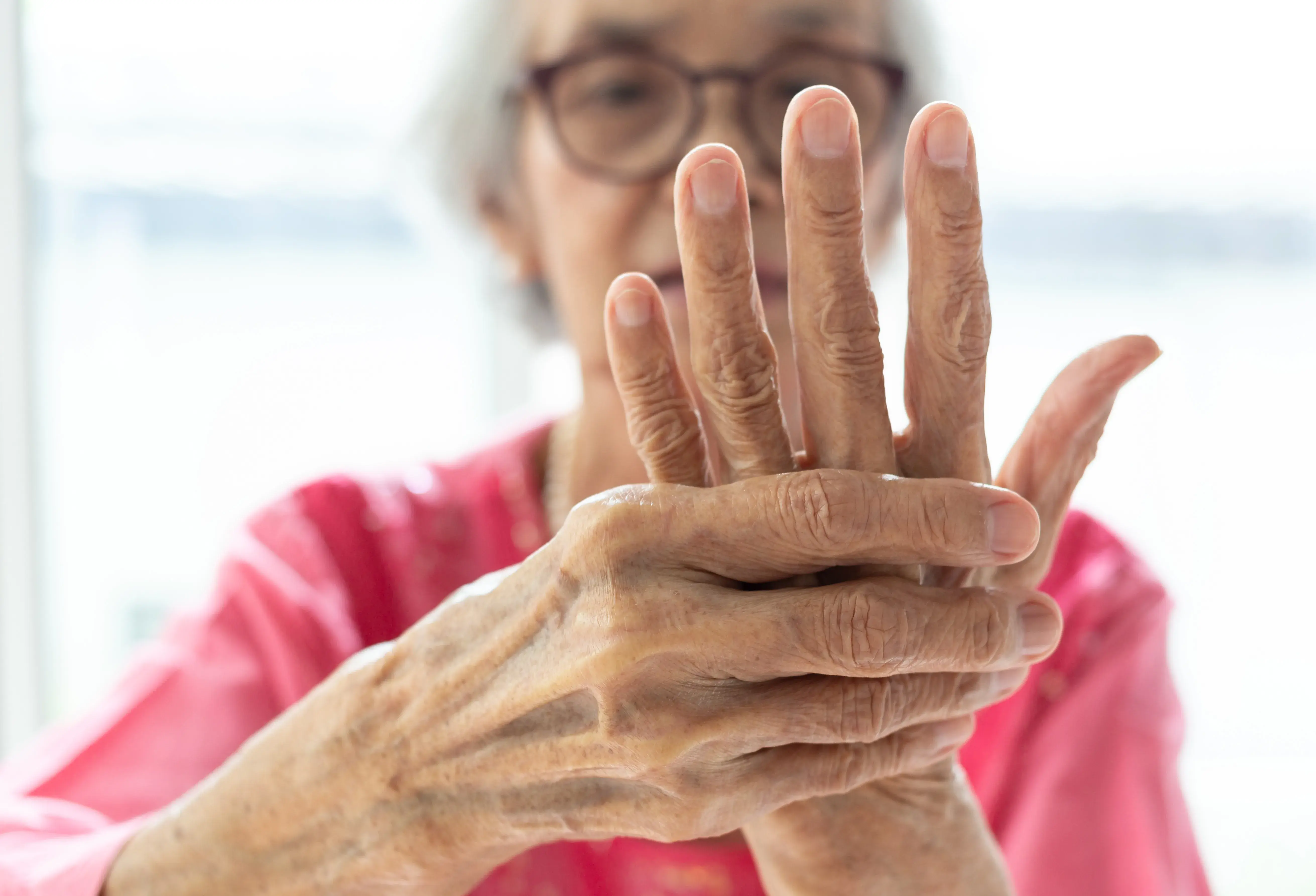
Our hands are involved in nearly every part of daily life. We use them to prepare meals, get dressed, hold a phone, open doors, write notes, and participate in hobbies. Most of these movements happen automatically, until pain or stiffness makes them difficult.
For older adults with arthritis in the hands, seemingly small tasks can become sources of frustration. Turning a key, fastening a button, or opening a jar may require more strength or coordination than the joints can comfortably provide. Because hand function is so closely connected to independence, recognizing these challenges early can help families find practical ways to reduce discomfort while preserving everyday abilities.
How Arthritis Affects the Hands
The hands contain numerous small joints that allow precise movement, grip, and coordination. When arthritis affects these joints, even relatively minor changes in flexibility or strength can interfere with everyday tasks. The pattern of symptoms often depends on the type of arthritis involved, which is why understanding the underlying condition is important.
Osteoarthritis commonly affects the joints near the fingertips, the middle finger joints, and the base of the thumb. It can cause pain, stiffness, bony enlargement, and reduced range of motion. Someone with osteoarthritis at the base of the thumb, for example, may experience discomfort when turning a key, gripping a jar lid, or holding a heavy mug. Symptoms may develop gradually and become more noticeable during activities that place repeated pressure on affected joints.
Rheumatoid arthritis affects the hands differently because it involves immune-driven inflammation. It often affects the knuckles and middle finger joints, as well as the wrists, and may produce swelling, warmth, tenderness, and prolonged morning stiffness. Unlike osteoarthritis, rheumatoid arthritis can also cause systemic symptoms such as fatigue, and early treatment is important to reduce the risk of progressive joint damage.
Other conditions, including nerve problems and tendon disorders, can produce symptoms that resemble arthritis. Persistent hand pain, swelling, weakness, or changes in sensation should therefore be evaluated by a healthcare professional rather than automatically attributed to aging.
Why Gripping and Fine Motor Tasks Become Difficult
Hand function depends on coordinated movement between joints, muscles, tendons, and nerves. When joints become painful or stiff, the ability to generate and maintain a comfortable grip may decline. Activities that require pinching, twisting, or precise finger movements can become especially challenging, particularly when arthritis affects the thumb or several small joints at once.
Swelling can further limit flexibility, while discomfort may cause someone to avoid using their hands as frequently. Over time, reduced use can contribute to weakness and make familiar activities feel increasingly demanding. This can create a cycle in which pain leads to less movement, and reduced movement makes certain tasks more difficult.
The effects often extend beyond physical function. An older adult who enjoys knitting, gardening, cooking, playing cards, or writing letters may gradually participate less because these activities have become uncomfortable. When a meaningful hobby becomes difficult, the impact can include frustration, reduced confidence, and fewer opportunities for social engagement. Addressing hand arthritis therefore involves more than relieving pain; it also means helping people continue participating in activities that give their days structure and enjoyment.
Everyday Activities Commonly Affected by Hand Arthritis
Hand arthritis can influence nearly every part of a daily routine, although the specific challenges vary depending on which joints are affected and how severe the symptoms become. Dressing and grooming often require fine motor coordination, making buttons, zippers, shoelaces, toothbrushes, and grooming tools more difficult to manage. Someone who previously dressed independently may begin needing additional time or assistance with certain fasteners.
Cooking and eating can also become challenging because meal preparation involves gripping utensils, opening containers, lifting cookware, and handling ingredients. Tasks such as chopping vegetables or opening jars may place considerable strain on painful thumb and finger joints. Even holding a fork or carrying a full plate may become uncomfortable when grip strength is reduced.
Medication routines deserve particular attention. Opening child-resistant containers, handling small tablets, or managing packaging may become difficult when hand strength and coordination decline. Families should discuss accessible packaging or medication-management options with a pharmacist rather than making changes that could compromise medication safety.
Household responsibilities and hobbies can be affected in similar ways. Turning doorknobs, using keys, carrying groceries, operating cleaning equipment, writing, crafting, and using a smartphone all require hand function. Recognizing which activities are most difficult allows families to make targeted adjustments rather than unnecessarily taking over responsibilities the person can still manage.
Practical Ways to Make Everyday Tasks Easier
Choose Tools That Reduce Strain on Painful Joints
Adaptive equipment can make daily activities more comfortable by reducing the force required to grip, pinch, or twist. Utensils with larger, cushioned handles may be easier to hold than narrow ones, while electric can openers, jar-opening devices, and lightweight cookware can reduce repetitive strain during meal preparation. Lever-style door handles may also be easier to operate than traditional round doorknobs.
The most useful adaptations depend on which joints are affected. Someone with arthritis at the base of the thumb may benefit from tools that reduce pinching, while an individual with stiffness across several fingers may need equipment that requires less precise coordination. An occupational therapist or certified hand therapist can help identify practical solutions based on the person's abilities and daily routines.
Adapt Clothing, Personal Care, and Household Organization
Clothing with elastic waistbands, larger fasteners, or alternative closures can simplify dressing without sacrificing personal style or independence. Built-up handles on toothbrushes, hairbrushes, and other grooming tools may also reduce the need for a tight grip, making personal care less uncomfortable.
Household organization can provide additional relief. Keeping frequently used objects within easy reach, choosing lightweight containers, and storing heavier items at accessible heights can reduce unnecessary lifting and awkward movements. For someone who enjoys cooking, organizing ingredients and utensils before beginning meal preparation may make the activity more manageable and reduce fatigue.
These changes are most effective when they reflect the individual's preferences. The goal is not to redesign every aspect of the home but to identify specific barriers and remove them wherever possible.
Balance Activity, Rest, and Appropriate Hand Therapy
Long periods of repetitive hand use may increase discomfort, particularly during activities that require sustained gripping or fine motor coordination. Dividing tasks into shorter sessions, alternating demanding activities with lighter ones, and allowing regular breaks can help manage symptoms without eliminating meaningful participation.
Rest should be balanced with appropriate movement. Avoiding hand use entirely may contribute to additional stiffness and reduced function, while forcing movement through significant pain can worsen discomfort. A healthcare professional or hand therapist can recommend exercises, joint-protection techniques, or splints when appropriate.
Treatment should reflect the underlying diagnosis. Osteoarthritis and rheumatoid arthritis may require different medical approaches, and individuals with active inflammation should follow guidance specific to their condition.
Supporting Independence Without Taking Over
When families notice that an older adult is struggling with hand-related tasks, the natural instinct may be to step in and complete those activities for them. Although assistance can reduce discomfort and prevent unnecessary strain, taking over every task may also reduce opportunities for independence and participation.
A more supportive approach begins with identifying which parts of an activity remain manageable. Someone who finds chopping vegetables painful may still enjoy choosing ingredients, seasoning food, or helping plan meals. A person who can no longer knit comfortably for an hour may still enjoy shorter sessions with adapted tools. These adjustments preserve involvement while respecting physical limitations.
This distinction is particularly important when activities carry emotional or personal meaning. Preparing a favorite recipe, tending plants, writing cards, or participating in a familiar hobby can reinforce identity and provide a sense of accomplishment. Maintaining these experiences may require creativity, but the benefits extend beyond physical function.
Professional home caregivers can assist with demanding tasks while encouraging continued involvement in activities the individual can safely manage. Personalized support should make participation easier rather than unnecessarily replacing it.
How TheKey's Balanced Care Method® Supports Daily Life
At TheKey, we recognize that healthy aging involves physical, emotional, cognitive, and social well-being. Our Balanced Care Method® includes six interconnected pillars: Move More, Nourish & Hydrate, Connect with Others, Engage with Joy & Purpose, Flex Your Mind, and Sleep Well.
For older adults living with hand arthritis, these principles encourage a broader approach to daily support. Assistance with meal preparation can help maintain good nutrition when gripping utensils or handling ingredients becomes difficult, while adapting hobbies and recreational activities can preserve opportunities for enjoyment and cognitive engagement. Maintaining social activities is also important, particularly when physical discomfort begins limiting participation.
The emphasis is on helping individuals continue doing what matters to them. By adapting routines, providing appropriate assistance, and supporting healthy daily habits, caregivers can help older adults manage the practical challenges of arthritis while preserving independence and quality of life.
Keeping Hands Involved in Everyday Life
Hand arthritis can change how older adults complete familiar activities, but it doesn't necessarily mean those activities must disappear. With appropriate treatment, practical adaptations, and individualized support, many people can continue cooking, communicating, enjoying hobbies, and participating in daily routines.
Maintaining independence often begins with finding a different way to accomplish something that still matters. By focusing on abilities rather than limitations, families can help older adults preserve both everyday function and the activities that give life meaning.
 (866) 475-4967