 (866) 475-4967




Understanding Dementia & Alzheimer's
Explore our guides to learn more about dementia and Alzheimer's, understand changing symptoms and behaviors, and plan for safety and care at home.

What Are the Types of Dementia?
Learn about the main types of dementia, including Alzheimer's, vascular, and Lewy body, and how each can affect memory, behavior, and daily life.
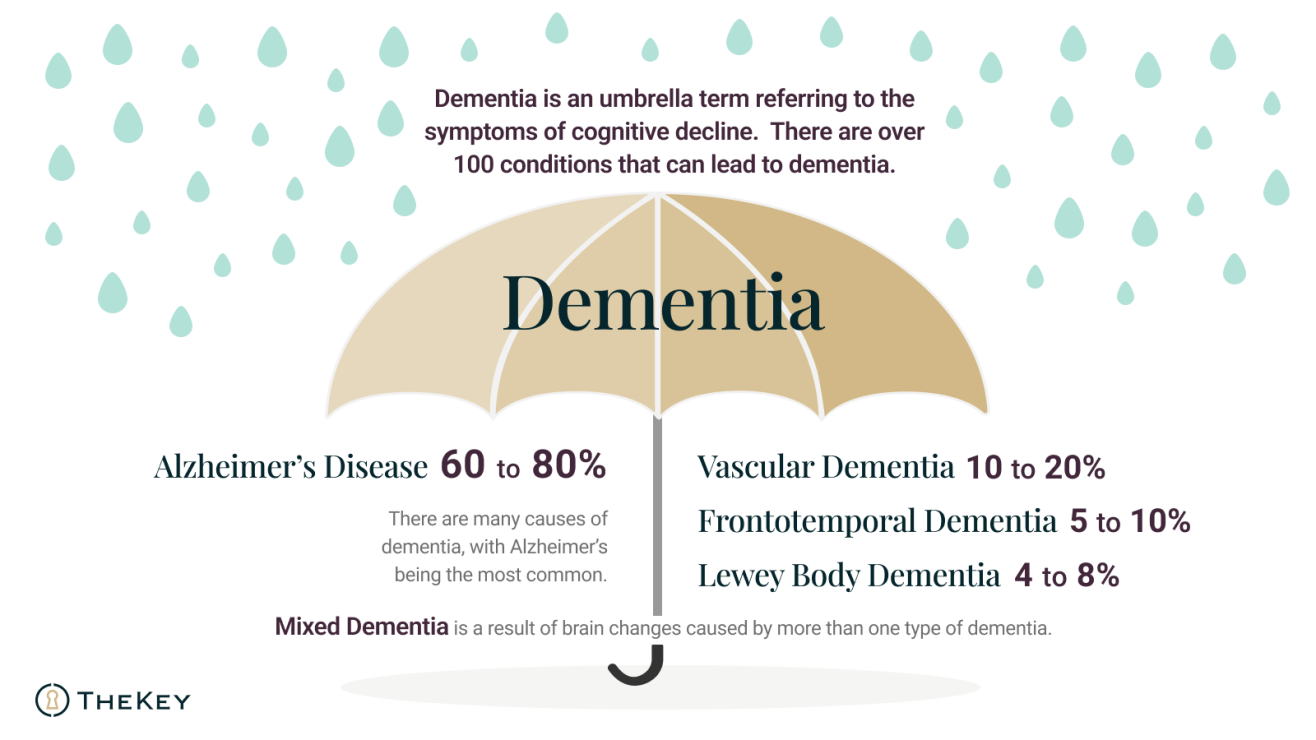
What Is the Difference Between Dementia and Alzheimer's?
Understand how dementia and Alzheimer's disease differ, how they are related, and why identifying the underlying cause matters for treatment and care planning.

Early Signs of Dementia in Women vs. Men
Explore how early dementia symptoms can look different in women and men, and why recognizing these patterns can lead to earlier conversations with a doctor.
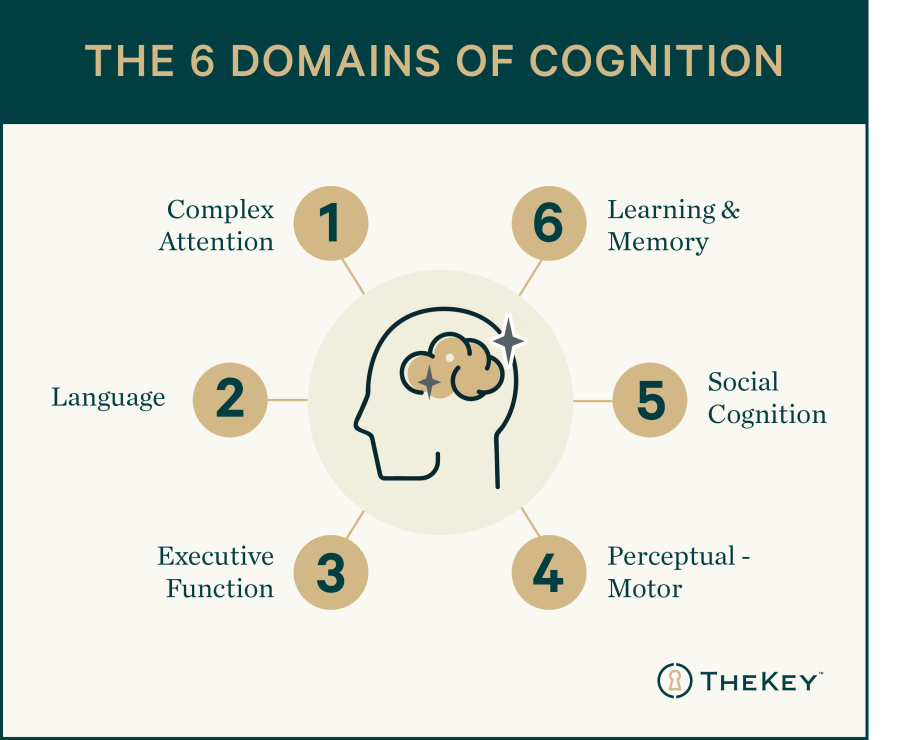
Normal Aging vs. Dementia
Learn how everyday age-related forgetfulness differs from possible signs of dementia, and when memory changes may be worth discussing with a healthcare professional.

8 Signs of Dementia That Aren't Memory Loss
Discover eight early warning signs of dementia beyond memory loss, including changes in judgment, language, mood, and everyday problem-solving that families may overlook.
Symptoms, Behaviors & Everyday Challenges

How to Respond to Dementia-Related Behaviors
Learn calm, respectful ways to respond to agitation, repetition, and other behavior changes while reducing stress for both the person and caregivers.

Why Is My Parent With Dementia More Confused at Night?
Understand why confusion often increases in the evening and overnight, and explore practical ways to create calmer, more reassuring nighttime routines.

Sundowning vs. Sleep Problems in Dementia
Learn how sundowning differs from general sleep problems in dementia, and what patterns may help families understand when to seek medical guidance.

What to Do When Someone With Dementia Won't Bathe
Explore compassionate approaches for when a loved one with dementia resists bathing, including ways to reduce fear, preserve dignity, and make the routine more comfortable.

Why Does My Parent With Dementia Suddenly Refuse Help?
Discover possible reasons a parent with dementia may suddenly refuse assistance, and learn respectful ways to offer support while protecting independence and trust.
Safety, Caregiving & Home Care

How to Keep Someone With Dementia Safe at Night
Explore practical ways to reduce nighttime risks for someone with dementia, including lighting, wandering concerns, and creating a calmer, safer sleeping environment.

Can Someone With Dementia Stay at Home Safely?
Learn what to consider when deciding whether someone with dementia can remain at home safely, and how support, routines, and home adjustments can help.

When Is It No Longer Safe for Someone With Dementia to Live Alone?
Recognize warning signs that living alone may no longer be safe for someone with dementia, and understand when families may need to consider additional support.

When Does Someone With Dementia Need Overnight Care?
Understand the signs that someone with dementia may need overnight care, including nighttime wandering and confusion, and how families can plan for added support.

How Do I Know When My Parent Needs Professional Dementia Care?
Learn the signs that a parent may need professional dementia care, and how to begin evaluating options as safety, daily needs, and caregiver stress increase.


Personalized Dementia Care That Supports Everyday Living
Living with dementia can change how a person experiences everyday life, but meaningful routines, familiar surroundings, and personal connections remain important. TheKey provides personalized dementia care at home, helping individuals and families navigate daily challenges while supporting dignity, comfort, and quality of life. Our approach incorporates the Balanced Care Method®, emphasizing engagement, connection, and overall well-being.