(866) 475-4967


How to Keep Someone With Dementia Safe at Night
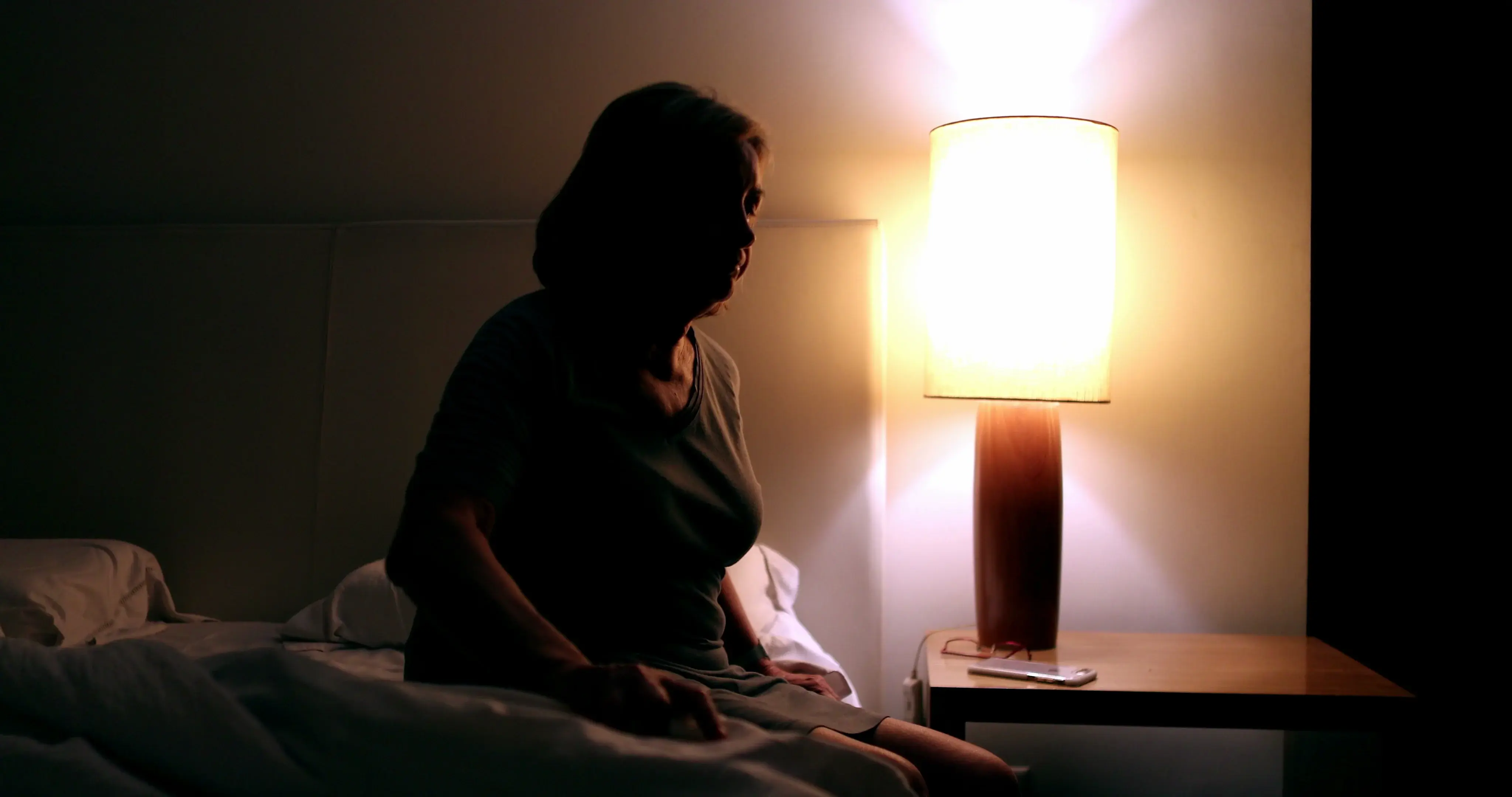
Nighttime can introduce safety risks for someone living with dementia that may not be as noticeable during the day. An older parent who moves confidently around the house in daylight may struggle to find the bathroom after dark, become confused about where they are, or attempt to leave home while others are sleeping. Changes in memory, judgment, vision, and sleep patterns can make familiar surroundings more difficult to navigate, leaving families concerned about what might happen when they are not watching.
Keeping someone with dementia safe at night requires more than locking doors or installing monitoring devices. The most effective approach begins with understanding the person's abilities, identifying potential hazards, and creating an environment that supports both safety and independence. This includes preventing falls, maintaining familiar routines, addressing nighttime discomfort, and recognizing when additional supervision may be necessary.
For families, the goal is not to eliminate every risk by restricting movement. It is to create a nighttime care plan that allows the person to remain as comfortable, secure, and independent as possible while reducing the likelihood of preventable injuries or emergencies.
Why Is Nighttime More Dangerous for Someone With Dementia?
Dementia can affect several abilities that help people move safely through their environment, including memory, spatial awareness, judgment, attention, and the ability to recognize hazards. These changes may become more noticeable at night when lighting is reduced and the person is tired or disoriented.
Someone who normally knows where the bathroom is located may become confused after waking in the middle of the night. Another person may have difficulty distinguishing a dark hallway from an unfamiliar space or may misinterpret shadows and reflections. If they need to get out of bed quickly, reduced balance or difficulty recognizing obstacles can increase the risk of falling.
Sleep disturbances may also contribute to nighttime safety concerns. Some people living with dementia wake frequently, become restless, or experience changes in their sleep-wake cycle. Others may develop increased confusion or agitation during the evening, sometimes associated with sundowning.
These changes do not affect everyone in the same way. A person in the earlier stages of dementia may need only modest environmental adjustments, while someone with more advanced cognitive or mobility limitations may require regular assistance or supervision.
The most useful starting point is to assess what the person can safely do independently and where support is needed.
1. Make the Bedroom and Hallways Safer
The bedroom should be arranged so that the person can move comfortably without encountering unnecessary obstacles. Furniture, electrical cords, loose rugs, and clutter can create tripping hazards, particularly when someone wakes during the night and is not fully alert.
Keep frequently used items within easy reach, including glasses, a telephone, and other appropriate personal belongings. If the person uses a walker or another mobility aid, make sure it is accessible and positioned so it can be used safely when getting out of bed.
The route between the bedroom and bathroom deserves particular attention. Remove loose rugs, secure electrical cords, and ensure that furniture does not narrow walking paths. Consider whether doorways, flooring transitions, or changes in elevation could create additional hazards.
Families should also evaluate the bed itself. A bed that is too high may make it difficult to get in and out safely, while one that is too low may create problems for someone with limited strength or mobility. An occupational therapist or other qualified professional can help assess the appropriate setup.
Bed rails should not be added automatically as a fall-prevention measure. Depending on the design and the person's abilities, they can create entrapment, climbing, or injury risks. Any use of bed rails should be evaluated carefully with appropriate professional guidance.
2. Use Lighting That Helps Prevent Confusion and Falls
Poor lighting can make nighttime navigation more difficult for anyone, but it may be particularly challenging for someone living with dementia. Changes in visual perception, depth judgment, and the ability to interpret unfamiliar surroundings can increase confusion when rooms are dark.
Soft, consistent lighting can help the person recognize familiar spaces without creating excessive brightness that interferes with sleep. Consider nightlights in hallways, bathrooms, and other areas the person may need to access.
Motion-activated lighting may be useful in some homes because it illuminates walking paths when someone gets out of bed. However, families should observe how the person responds, as sudden changes in lighting can be startling or confusing for certain individuals.
Avoid creating strong shadows or glare. Mirrors and reflective surfaces may also cause distress if the person has difficulty interpreting reflections, particularly during periods of confusion.
Lighting should support safe movement while maintaining a calm environment that encourages rest.
3. Reduce the Risk of Nighttime Falls
Falls are a significant concern for older adults, and dementia may increase risk through changes in attention, judgment, mobility, and the ability to recognize environmental hazards.
Nighttime falls may occur when someone gets out of bed quickly, attempts to reach the bathroom without assistance, or walks through an unfamiliar or poorly lit area. Medications that cause dizziness or sedation, dehydration, and changes in blood pressure can also contribute to fall risk.
Families can reduce avoidable hazards by maintaining clear walking paths, encouraging appropriate footwear, and ensuring that prescribed mobility aids are accessible. A healthcare professional can review medications and assess whether balance, strength, or other medical issues may be contributing to falls.
If a person repeatedly attempts to walk without assistance despite significant mobility limitations, the care plan may need to include additional supervision or support during nighttime hours.
It is important to avoid relying on measures that restrict movement as a substitute for assessing the underlying risk. Physical restraints can cause injury, increase distress, and create additional safety concerns.
A fall-prevention plan should support safe mobility rather than simply attempting to keep the person in bed.
4. Make Bathroom Trips Easier and Safer
Nighttime bathroom visits are a common source of falls and confusion. A person living with dementia may wake with an urgent need to use the toilet but have difficulty remembering where the bathroom is located or navigating the route safely.
Keeping the bathroom easy to identify can help reduce unnecessary searching. Leave the path clear, provide appropriate lighting, and consider simple visual cues if they are meaningful to the person.
Grab bars, non-slip flooring, and an accessible toilet may improve safety, depending on the person's mobility needs. An occupational therapist can help determine which modifications are appropriate.
Some individuals may benefit from a bedside commode when walking to the bathroom creates a significant fall risk. However, the equipment should be selected and positioned carefully, with attention to the person's ability to use it safely.
Families should also consider whether frequent nighttime urination, constipation, pain, or medication effects are contributing to repeated waking. New urinary symptoms or significant changes in toileting patterns should be discussed with a healthcare professional.
The goal is to make essential activities easier to complete without unnecessary confusion, rushing, or physical strain.
5. Prevent Unsafe Wandering and Leaving the Home
Some people living with dementia may walk around the house during the night or attempt to leave home unexpectedly. This behavior is sometimes described as wandering, although the person may have a specific purpose from their perspective.
They may believe they need to go to work, look for a family member, return to a former home, or complete a familiar responsibility. Others may be responding to anxiety, discomfort, or confusion about their surroundings.
Families should first try to understand when and why the behavior occurs. If someone repeatedly walks toward the front door at night, consider whether they are looking for something familiar, feeling restless, or responding to an unmet need.
Practical safety measures may include door alerts that notify a caregiver when an exterior door opens, appropriate lighting, and ensuring that dangerous areas are not easily accessible.
Families should be cautious about using locks or barriers that could prevent emergency evacuation. A person should never be confined in a way that creates a fire hazard or prevents safe exit during an emergency. Any access-control measures should comply with applicable safety requirements and be reviewed in light of the person's abilities and supervision needs.
For someone at risk of leaving home and becoming lost, identification information and an appropriate missing-person response plan can provide additional safeguards. Families may also explore location-alert technology, recognizing that devices cannot replace supervision when the risk is significant.
If nighttime exit-seeking becomes frequent or dangerous, the care plan should be reassessed with healthcare professionals and appropriate care providers.
6. Keep Medications and Hazardous Items Secure
Dementia can affect a person's ability to recognize medications, remember whether a dose has been taken, or distinguish safe household products from potentially harmful substances.
Nighttime confusion may increase these risks if medications, cleaning supplies, sharp objects, or other hazardous items are easily accessible.
Families should review where medications are stored and determine whether the person can continue managing them independently. When cognitive changes affect safe medication use, a healthcare professional should help establish an appropriate medication-management plan.
Prescription medications should be kept in their original labeled containers or an appropriate medication-management system, with storage arrangements matched to the individual's abilities and risks. Medication administration must follow applicable professional and legal requirements.
Cleaning chemicals, potentially dangerous tools, and other household hazards should also be secured appropriately.
The goal is to reduce access to items that could cause accidental harm while preserving access to everyday belongings the person can use safely.
7. Establish a Consistent Bedtime Routine
A predictable evening routine may help reduce confusion and support more restful sleep. Someone living with dementia may find it easier to transition toward bedtime when familiar activities occur in a consistent order.
This might include dinner, a quiet activity, personal care, and preparing for bed at approximately the same time each evening. Familiar music, reading, or another preferred activity may help create a sense of comfort.
Families should avoid overly complicated routines that require multiple decisions or unfamiliar instructions. When someone becomes tired or overwhelmed, even ordinary tasks such as changing clothes or brushing their teeth may feel difficult.
Daytime activity, exposure to natural light, and appropriate opportunities for movement may also support a more regular sleep-wake pattern. Long or late-day naps can interfere with nighttime sleep for some individuals, although rest needs vary.
If sleep disturbances persist, a healthcare professional can evaluate possible causes, including pain, sleep disorders, medications, and changes associated with dementia.
A consistent routine cannot prevent every episode of nighttime waking, but it may reduce uncertainty and help the person feel more settled.
8. Consider Monitoring Devices Without Replacing Human Supervision
Technology can provide useful information about nighttime activity, but it should be selected based on the person's needs rather than used as a substitute for appropriate care.
Motion sensors, door alerts, and certain monitoring systems may notify family members when someone gets out of bed or approaches an exterior door. These tools may be particularly helpful when caregivers are sleeping nearby and need to know when assistance is required.
However, devices have limitations. Alerts may be delayed, missed, or triggered unnecessarily, and technology cannot determine whether someone is experiencing pain, confusion, or another medical concern.
Families should also consider privacy and dignity when selecting monitoring systems. Whenever possible, involve the older adult in decisions about devices and explain their purpose in a way that respects the person's understanding and preferences.
The most appropriate approach combines environmental safety measures, individualized supervision, and technology when it offers a meaningful benefit.
9. Recognize When Overnight Supervision May Be Necessary
Not everyone living with dementia requires overnight care. The level of support should reflect the person's current abilities, nighttime behavior, mobility, and safety risks.
Additional supervision may become necessary when someone repeatedly attempts to leave home, experiences frequent falls, requires assistance with toileting or transfers, or becomes significantly distressed during the night.
Families should also consider whether the older adult can recognize an emergency and seek help appropriately. Someone who cannot use a telephone, respond to a smoke alarm, or communicate that they are injured may require a higher level of support.
An individualized care assessment can help determine whether scheduled evening assistance, overnight support, or more continuous supervision is appropriate.
Professional caregivers may be able to assist with nighttime routines, mobility, toileting, reassurance, and observation within their permitted scope of practice. Families should clarify whether an overnight arrangement involves an awake caregiver or a sleeping caregiver, because these models provide different levels of supervision.
The need for additional support should be reassessed as the person's condition changes.
What Should You Do if Someone With Dementia Leaves Home at Night?
If a person living with dementia leaves home unexpectedly and cannot be located immediately, treat the situation as urgent. Individuals with dementia may become disoriented, have difficulty asking for help, or be unable to return home independently.
Contact emergency services promptly and explain that the missing person has dementia. Provide a recent photograph, physical description, clothing information, known medical or mobility concerns, and locations the person may attempt to visit.
Families should not delay reporting a missing person because they believe a waiting period is required.
If it is safe to do so, family members can check nearby areas while coordinating with emergency responders. However, the search should not create additional risks or leave another vulnerable person without needed supervision.
After the person is found, review the circumstances that contributed to the event and consider whether additional safeguards or supervision are necessary.
A missing-person incident is an important signal that the nighttime safety plan may need to change.
How to Balance Safety and Independence
One of the most difficult aspects of dementia care is deciding how to reduce risk without unnecessarily limiting the person's freedom.
Families understandably want to prevent falls, injuries, and unsafe wandering. Yet excessive restrictions can create frustration, reduce opportunities for movement, and undermine the older adult's sense of control.
The most effective safety plans focus on the individual's specific risks rather than applying the same restrictions to everyone living with dementia.
For example, someone who walks safely but becomes confused about the bathroom location may benefit from better lighting and visual cues. A person who needs physical assistance with transfers may require caregiver support rather than environmental modifications alone.
Involving the older adult in decisions whenever possible can help preserve dignity and autonomy. Their preferences, habits, and established routines should remain part of the care plan even as additional safety measures become necessary.
The goal is not to eliminate independence but to support it within an environment that reflects the person's changing needs.
When Nighttime Changes Require Medical Attention
Nighttime confusion and sleep disruption can occur with dementia, but new or rapidly worsening symptoms should not automatically be attributed to the disease.
Sudden changes in behavior, alertness, or attention may indicate delirium, which can develop in response to infection, dehydration, medication effects, or other medical conditions. Delirium requires prompt medical assessment.
Families should seek medical guidance when nighttime symptoms are accompanied by new pain, fever, urinary symptoms, significant changes in mobility, or unusual daytime sleepiness.
A fall that results in injury, suspected head trauma, or an inability to get up safely also requires appropriate medical evaluation. Emergency assistance is necessary for severe injuries, stroke-like symptoms, difficulty breathing, or other potentially life-threatening conditions.
Recognizing changes from the person's usual behavior is an important part of maintaining safety. A written record of nighttime incidents, sleep patterns, and associated symptoms can help healthcare professionals identify possible causes.
How TheKey's Balanced Care Method® Supports Nighttime Safety
At TheKey, our Balanced Care Method® emphasizes daily habits and meaningful engagement that support overall well-being. For someone living with dementia, these principles can also inform a more thoughtful approach to nighttime care.
Sleep Well focuses on routines and environmental conditions that support rest, including consistent sleep schedules and comfortable surroundings. Move More emphasizes appropriate physical activity and mobility, which can help maintain daily functioning when adapted to the individual's abilities.
Nourish & Hydrate recognizes the importance of nutrition and hydration while allowing care plans to account for individual needs and medical guidance. Connect with Others and Engage with Joy & Purpose encourage familiar relationships and meaningful activities that support emotional well-being and daily structure.
Flex Your Mind emphasizes cognitive engagement through activities that reflect the person's interests and abilities.
These pillars do not replace individualized safety assessments or medical care. Instead, they provide a framework for maintaining familiar routines and supporting the person as a whole.
Professional caregivers can help implement appropriate daily routines, assist with permitted personal care activities, observe changes in functioning, and provide reassurance when nighttime confusion occurs.
Frequently Asked Questions
Begin by assessing the person's mobility, nighttime behavior, and ability to recognize hazards. Clear walking paths, appropriate lighting, accessible bathrooms, secure storage of dangerous items, and consistent routines can reduce avoidable risks. Some individuals also require nighttime supervision.
Door alerts and other safety measures may help families respond when someone attempts to leave home. However, locks or barriers should not prevent safe emergency evacuation or create a fire hazard. Families should seek professional guidance when nighttime exit-seeking creates significant risk.
Nighttime walking or exit-seeking may be related to disorientation, disrupted sleep-wake rhythms, anxiety, discomfort, or a perceived need to complete a familiar task. Understanding the reason behind the behavior can help families choose appropriate safety measures.
Bed-exit alarms may notify caregivers when someone gets out of bed, but they do not prevent falls on their own. Their usefulness depends on the person's mobility, behavior, and whether someone can respond promptly to an alert.
Some individuals with dementia can sleep safely without another person in the room, while others require supervision or assistance. The decision should reflect the person's cognitive abilities, mobility, nighttime behavior, and ability to respond to emergencies.
Overnight care may be appropriate when a person frequently falls, attempts to leave home, requires assistance with toileting or mobility, experiences significant nighttime distress, or cannot safely manage emergencies. A professional assessment can help determine the appropriate level of support.
Try to understand why they are getting up. They may need the bathroom, be uncomfortable, feel anxious, or have difficulty sleeping. Addressing the underlying need, improving the environment, and providing appropriate assistance may help. Frequent or unsafe nighttime activity should be discussed with a healthcare professional.
Creating a Safer Nighttime Environment Without Losing Independence
Nighttime safety for someone living with dementia requires attention to both the physical environment and the person's changing abilities. Falls, confusion, unsafe wandering, and disrupted routines can create significant concerns, but many risks can be reduced through thoughtful planning and appropriate support.
Families should begin by identifying the situations most likely to cause harm, whether that involves walking to the bathroom, getting out of bed, or attempting to leave home. Environmental modifications, consistent routines, and individualized supervision can then be matched to those needs.
As dementia progresses, safety plans may need to evolve. What works today may not provide adequate protection several months from now, making regular reassessment an important part of care.
The objective is to help the person remain comfortable, secure, and as independent as possible while ensuring that the support around them changes as their needs do.
You May Also Like