(866) 475-4967



Top 10 Foods to Eat After Surgery to Promote Healing
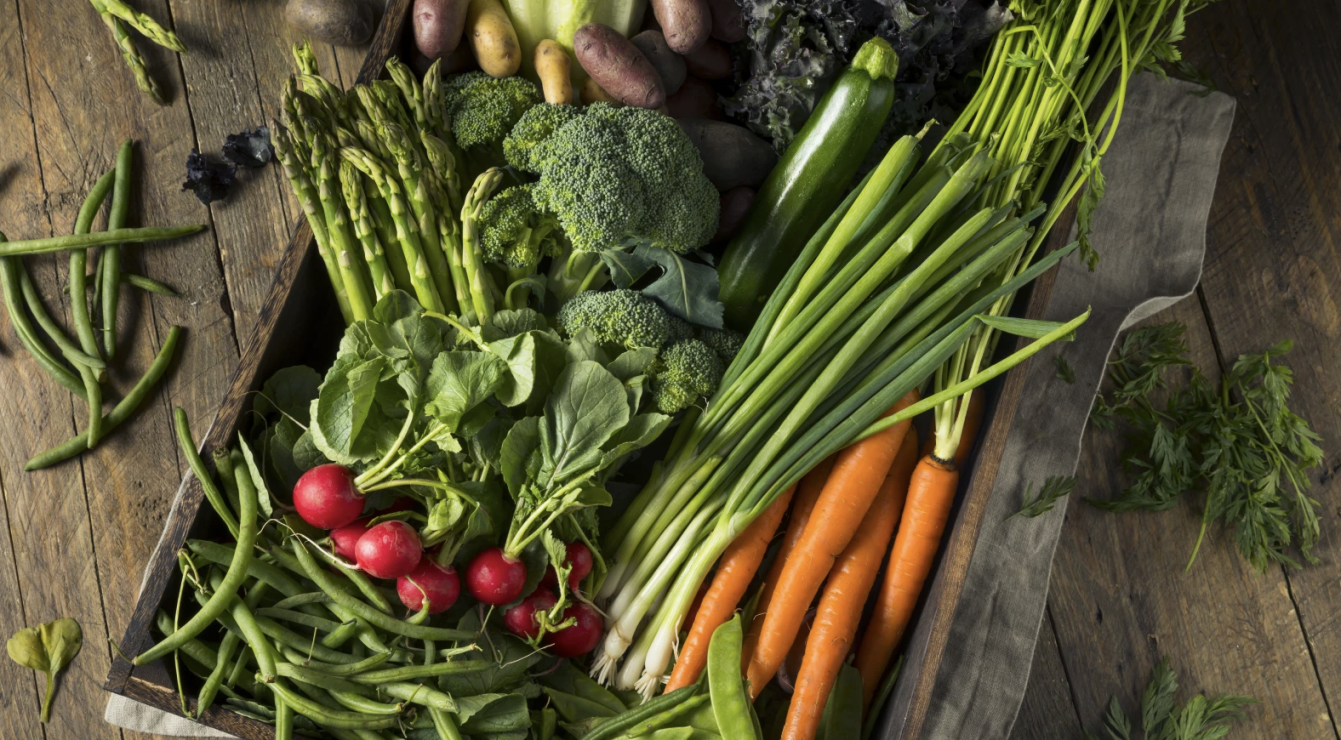
Learn about simple and delicious foods that help you recover faster. Surgery can be hard on the body. After surgery, you or a loved one may experience a higher risk of infection, falls, pneumonia, or decreased mobility. But surgery is meant to improve your quality of life.
There are a few key things you can do to have a smooth transition from the hospital to your home — and one of the most important things to focus on while healing from surgery is nutrition.
The 10 Best Foods to Eat After Surgery to Promote Healing
These foods will provide your body with the energy and nutrition it needs to fight off infections, accelerate healing, increase your strength and energy and maintain your nutrient stores. And they’re delicious.
1. Berries
Berries are an excellent source of vitamin C. Research shows that vitamin C is helpful in rebuilding collagen and soft tissue, meaning your incision site will heal quicker. Antioxidants are a powerhouse of nutrition that help the body repair damage.
Fruits with antioxidants include:
- Grapes
- Pomegranates
- Blueberries
- Raspberries
- Strawberries
- Goji berries
- Blackberries
2. Vegetables
Including veggies in your daily diet adds a healthy source of carbohydrates, which will help you battle post-surgery fatigue. Carbohydrates provide your brain with energy and stop muscle from breaking down. Your body will also get a boost of vitamin A and C. Another great benefit is that the fiber in a diet high in vegetables reduces constipation, which is a common side effect of pain medication and decreased mobility. The vitamins and minerals you will find in vegetables are some of the most important nutrients in your healing diet.
Eat these vegetables as a snack or part of a meal:
- Carrots
- Sweet bell peppers
- Broccoli
- Cauliflower
- Cabbage
- Brussel sprouts
- Sweet potatoes
- Potatoes
3. Fats (nuts, oils, fish)
Remember, healthy fat is your friend. Especially following surgery, healthy fat helps your body absorb all those yummy vitamins you are getting from your fruits and veggies. Fat is essential for strengthening your immune system and decreasing your chance of infection.
Healthy fats to include:
- Olive oil
- Avocados
- Coconut oil
- Nuts
- Seeds
Fats provide you with a long-lasting source of energy. Many types of fats and nuts are high in vitamin E, particularly almonds. Vitamin E also helps wounds heal faster and reduce the appearance of scars.
4. Dark Leafy Greens
Leafy greens may not be as popular as colorful berries and yummy fats, but they are vitally important! A hearty serving of green on your plate (or in your smoothie) gives you a dose of vitamin A, C, and E, as well as vitamin K, which is essential for blood clotting.
Incorporate these vitamin-rich, dark leafy greens:
- Kale
- Spinach
- Swiss chard
- Bok choy
- Mustard greens
- Romaine lettuce
You will also be absorbing the B-complex vitamins, which help with energy levels. Don’t forget fiber, iron, magnesium, potassium and calcium. Greens are like a multivitamin!
5. Meat or Other Alternatives
As we age, it is important to eat adequate amounts of protein. Following surgery, our bodies need a lot of protein and iron to help repair muscles that might have been injured during surgery. Amino acids in the protein help repair muscle damage by regenerating tissue and speeding up wound healing. Iron will help you regain your energy levels more quickly as iron creates new blood cells.
Stock up on iron and protein through foods like:
- Poultry
- Seafood
- Beans and lentils
- Nuts
- Eggs
- Tofu
After surgery, you may find that you have difficulty digesting or even chewing tougher meats. Try meats that have been slow-cooked in sauces or ground meats. Another excellent source of protein is our next powerhouse food.
6. Eggs
Nature has provided us with an ideal healing food neatly packed in a shell. Eggs are a traditional first meal to serve to invalids and recovering individuals and with good reason.
One egg provides you with:
- 6 Grams of protein
- Vitamins A, E and K
- B complex vitamins (including B12)
- Riboflavin
- Folic acid
- Calcium
- Zinc
- Iron
All those nutrients we have already discussed as being vital for a quick recovery. The best part is that eggs are easy to serve and prepare.
7. Probiotics
Probiotics are the happy, healthy bacteria that your body needs to digest food, provide mental balance and fight off all the germs and infections you are prone to after a hospital stay or procedure. Some of the most common forms of probiotic-rich foods are:
- Yogurt
- Kefir
- Sauerkraut
- Kimchi
Surgery can be rough on your system. Anesthetics, antibiotics and painkillers upset the delicate balance in your gut leaving you with digestive upsets, constipation and nausea. A healthy dose of probiotics can help to regulate your system.
8. Brightly colored fruits
Who says that healing foods are boring? After surgery, it is even more important to eat all the colors of the rainbow. Pile a bowl full of the brightest colored fruits and veggies and get a good dose of vitamin A, C, carbohydrates, fiber, antioxidants, and the nutritious calories your body needs to bounce back.
Fiber is essential following surgery to avoid the discomfort of constipation. Fruits provide that fiber with a dose of color, vitamins, and energy-boosting carbs.
Ask your friends to bring by:
- Oranges
- Apples
- Berries
- Melon
- Apricots
- Peaches
- Grapefruit
- Mango
- Papaya
- Tomatoes
Not only are fruits a powerhouse of healing nutrition but they are also light on the stomach and ideal for small, regular portions.
9. Whole grains
Eating plenty of whole grains after surgery will provide your body with the carbohydrates your brain needs for energy and stops your muscles from breaking down. Whole grains also give you another dose of fiber. You are going to feel tired and worn out following your surgery and the right kind of carbs will bring your energy levels up.
Round your plate out with:
- Whole wheat or rye sourdough bread
- Steel-cut oats
- Quinoa
- Wild rice
The bulk of your vitamins and minerals will be coming from your healthy fats, veggies, fruit, and proteins. But carbohydrates are an important part of the healing puzzle.
10. Water
The easiest and most overlooked thing we need after surgery is water. Don’t forget your body is made up of 55-65 percent water. Dehydration is common and maintaining adequate levels of hydration will help you recover quicker. Depending on the type of surgery you have and the medications you are on, your requirements for fluid may be higher than usual.
If drinking plain water is unappealing you can try:
- Flavoring your water with lime or lemon
- Drinking coconut water
- Eating high water content foods like soup
- Preparing a smoothie with extra fluid
- Drinking herbal teas (either hot or cold)
13 Remarkable Nutrients for Recovery After Surgery
Each of these nutrients plays an important role in helping you heal. Eating a well-balanced diet can help you get all these nutrients. The foods that heal listed below are suggestions that are high in nutrients, but there are many other sources.
1. Antioxidants
Antioxidants help the body to protect and repair itself.
Top 3 foods: berries, grapes and spinach.
2. Calcium
Calcium helps to build strong bones, as well as regulate nerve impulses, blood clotting, and muscle strength.
Top 3 foods: kale, yogurt and almonds.
3. Carbohydrates
Carbohydrates provide energy for your muscles, brain and nerves. You’ll need this energy for healing.
Top 3 foods: whole grains, carrots and sweet potatoes.
4. Fiber
Constipation is a common risk after surgery. This can be caused by a lack of activity and pain medication. Fiber is a necessary bulking agent that keeps your system moving.
Top 3 foods: raspberries, nuts, and beans.
5. Iron
Most surgeries will involve an expected loss of blood. Iron is vital for the creation of new red blood cells.
Top 3 foods: garbanzo beans, spinach and cashews.
6. Magnesium
Magnesium provides a soothing, relaxing effect. Adequate amounts of magnesium can relieve sore muscles and promote better sleep quality.
Top 3 foods: nuts, seeds, and avocado.
7. Potassium
Potassium keeps your heart healthy, grows new cells, and helps your muscles with their work.
Top 3 foods: squash, sweet potato and white beans.
8. Protein (Amino Acids)
The amino acids in protein help to rebuild the damaged tissue. Protein also speeds up how fast your incision will heal.
Top 3 foods: eggs, poultry and beans.
9. Vitamin A
Vitamin A will help your body to build up new bone, tissue, mucus membrane, or skin. This is especially important if you have had surgery on your bones.
Top 3 foods: carrots, sweet potatoes and apricots.
10. Vitamin B
Vitamin B is needed to create red blood cells and keep your brain functioning.
Top 3 foods: meat, seafood and eggs.
11. Vitamin C
Vitamin C provides the collagen protein that is responsible for repairing tendons, ligaments and healing both your incision and the repairs inside your body.
Top 3 foods: oranges, strawberries and bell peppers.
12. Vitamin E
Vitamin E belongs to the antioxidant group. These help your body to make healthy red blood cells and use vitamin K.
Top 3 foods: sunflower seeds, swiss chard and asparagus.
13. Vitamin K
Without vitamin K, your blood is not able to clot. Clotting is vital for wound healing after surgery.
Top 3 foods: brussels sprouts, broccoli and romaine lettuce.
Foods to Avoid After Surgery
It is just as important to look at which foods are slowing your body’s healing. Food can either be medicine or poison for your body. Although you might be desperately craving a sweet treat, remember that these foods can rob you of a quick healing time and increase your risk of infection.
- Added sugars. Food and drink with added sugar offer your taste buds a quick reward, but the added sugar is high in calories and gives your body no nutritional value. You may feel a short burst of energy and alertness but will quickly feel more drained and tired. Bacteria and viruses thrive on sugar, which is one more reason to avoid sugary foods after surgery.
- Highly processed foods. After surgery, you may have a small appetite and be tempted to indulge in whatever sounds good. Highly processed foods are usually white, sweet and come in a package. Or they are artificially colored. These foods primarily provide your body with carbohydrates. This causes blood sugar spikes and high insulin levels. Both drain your body of energy and the ability to heal. Processed foods are also often stripped of fiber, which helps to keep your bowels moving. After surgery constipation can be a serious and uncomfortable condition. Counter this problem by adding extra vegetables and limiting processed foods in your diet.
- Alcohol. You might look forward to having a drink to unwind or relax post-surgery. But alcohol slows down the rate of blood clotting and makes your blood thinner. This can cause your incision to take longer to heal and you will also have an increased risk of bleeding. Alcohol also impairs your immune system, putting you at a higher risk for infection. Following surgery, you will heal faster when there is less swelling. Alcohol causes blood vessels to swell. One of the biggest reasons to avoid alcohol is how it affects your pain levels. You may think that a drink will help you feel better, but alcohol does not mix well with pain medication prescribed by your doctor. It can even be deadly to mix alcohol and pain pills.
Tips for a Fast Recovery after Surgery
Along with eating healthy with an after surgery diet, here are a few tips that can help you get back on your feet quicker.
- Manage your pain. You will experience pain after your surgery but following the pain medication plan that your doctor gives you can help. Make sure you are able to move comfortably. To help you sleep, you may want to ask your doctor if they recommend you take something before heading to bed.
- Get adequate rest. Sleep is when your body can repair and heal. Make sure that you set aside time each day for rest. Set up your night environment to be comfortable and calming and allow yourself regular rest periods throughout the day.
- Get moving. Physical activity is just as important as rest. Do not push yourself to the point of injury. Talk to your doctor or physical therapist about what activities you should be doing. Lying in bed all day can increase your risk of infection, pneumonia, and blood clots. Appropriate amounts of movement will help the flow of your blood, which can improve the healing process.
Proper nutrition after surgery isn’t just about regaining strength—it plays a critical role in accelerating wound healing, reducing inflammation, and supporting immune function. Nutrient-dense foods rich in protein, vitamins A and C, zinc, and omega-3 fatty acids provide the building blocks your body needs to repair tissue and fend off infection. Incorporating these healing foods into your post-operative diet can improve recovery outcomes and help you return to your daily routine faster. For families navigating recovery at home, TheKey offers expert guidance and in-home support to ensure healing continues safely and comfortably.
Give yourself (or your loved one) the best possible chance for a speedy and uneventful recovery from surgery by stocking up on nature’s best medications: food. The types of food you eat will vary depending on your surgery and the medications you are on so talk to your doctor about your post-surgery diet.
But no matter your restrictions, this list of foods will benefit you in the following ways: these foods will decrease infections, speed up the healing process and increase your strength and energy.
Is Your Family Considering Home Care?
We can help you understand your options and determine the best plan for your family, your budget, and your loved one's care needs. Give us a call or contact us online—and we'll get back to you within 24 hours.