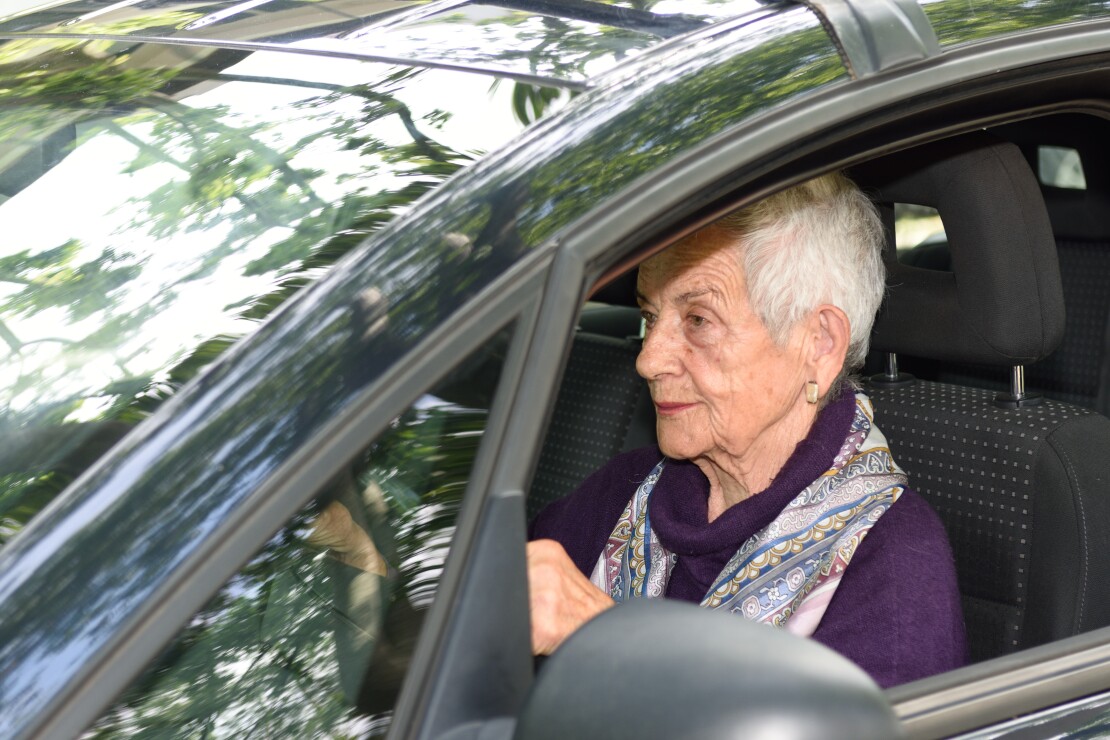
Losing the ability to drive is one of the hardest transitions in aging. It touches everything: freedom, identity, independence. When senior driving becomes unsafe, families are often left asking: How do we bring it up and what happens next?
Whether the concern is dementia, vision loss, or physical frailty, removing the keys often triggers grief, denial, and conflict.
But it’s also one of the most important safety decisions a family can make.
This senior driving guide walks you through when and how to take the keys away—with empathy, evidence, and practical tools that work.
Signs It May Be Time to Stop Driving
Some signs are subtle. Others are obvious. All point to increased risk:
- Getting lost on familiar routes
- Minor fender benders or new dents in the car
- Slower reaction times at stop signs or lane changes
- Confusing the gas and brake pedals
- Vision problems or complaints about glare
- Increasing anxiety behind the wheel
- Family or friends refusing to be a passenger
- Doctor expressing concern—or suggesting an evaluation
If you’re noticing more than one of these, it may be time for a deeper conversation about safety.
Driving and Dementia: What Families Need to Know
Even in early stages of dementia driving can become unsafe. Here’s why:
- Slowed decision-making in complex traffic situations
- Disorientation, even in familiar neighborhoods
- Difficulty interpreting signals, signs, or lane markings
- Reduced insight (also called anosognosia) the person may not recognize their own decline
As dementia progresses, individuals may strongly resist giving up the wheel even when faced with seemingly strong data that their driving is unsafe. That’s not stubbornness, it’s often a result of brain-based changes impairing self-awareness called anosognosia.
10 Proven Tips for Talking About Driving with an Aging Parent
Here’s how to approach the conversation when it’s time:
| Tip |
Why It Helps |
| 1. Start early. |
Don’t wait until after an accident. Plant the seed well before action is needed. |
| 2. Use health as the reason. |
Frame it as a medical decision, not a personal judgment. “Your doctor mentioned some concerns...” |
| 3. Speak in “we” terms. |
“We’ve been thinking about how to make things easier for you,” sounds more supportive than “You can’t drive anymore.” |
| 4. Offer real alternatives. |
Have a plan: caregiver support, ride shares, local shuttle services. Autonomy still matters. |
| 5. Avoid ultimatums. |
Use a phased approach: “Let’s try a few weeks without driving and see how it feels.” |
| 6. Try therapeutic storytelling. |
“The car’s in the shop” or “Your license is being renewed” can reduce agitation in dementia. |
| 7. Get a physician’s letter. |
A note from a trusted clinician can take pressure off the family, and frame it as medical guidance. |
| 8. Remove triggers. |
Keep keys out of sight. Park the car out of view if possible. |
| 9. Validate the emotion. |
Say: “I know how important this is to you. It’s hard.” Don’t try to logic your way out of the grief. |
| 10. Focus on what’s next—not what’s lost. |
Talk about what life looks like after driving: visits, routines, meals out, staying connected. |
What to Do When Driving Must Stop: Practical, Compassionate Steps
Ending someone’s ability to drive is never easy. But with planning and support, it can feel less like a loss—and more like a transition toward safety, confidence, and continued connection.
Here are a few steps that can help families move forward, gently and thoughtfully:
Coordinate a driving evaluation
Some states offer on-road driving assessments through certified rehabilitation clinics. This gives families objective information and takes the burden of decision off just one person.
Involve a physician or trusted advisor with dementia expertise
A geriatrician, neurologist, or primary care doctor can often explain safety concerns in a clinical, compassionate way. A written recommendation from a trusted provider can help make the conversation feel less personal and more collaborative.
Understand your state’s options
In some regions, physicians or family members can request a license review through the DMV or Department of Transportation. These programs are designed to support safety, not punishment.
Make a detailed transportation plan
It’s not just about removing the car; a good plan should consider how to replace the freedom it represented. Work with the person to map out what they still want to do:
- Grocery store trips
- Weekly lunches or worship services
- Doctor’s appointments
- Haircuts, walks, or visits with friends
Then explore who can help and how—family, companions, neighbors, or formal services.
Consider ride support services
There are more options than ever:
- Uber for Older Adults: Simple interface with caregiver scheduling tools
- Lyft Concierge or senior transportation programs through local agencies
- TheKey caregivers who can drive and accompany someone door to door while providing consistency, routine, and emotional support
- Rides in Sight is a free directory that identifies local transportation options for older adults or anyone living with mobility issues that may make driving a challenge.
Even after driving ends, autonomy doesn’t have to. Aging in place still means moving, connecting, and choosing how you live, just with the right support in place.
Special Considerations in Dementia
When dementia is part of the picture and there are safety concerns, driving retirement can become a necessity. But that doesn’t mean it has to feel harsh or abrupt.
Here are a few ways to reduce resistance and protect trust:
Out of sight, out of mind
Remove or hide car keys. Consider parking the car elsewhere or disconnecting the battery. Reducing daily visual triggers can help the issue fade naturally over time.
Use gentle, reassuring language
Try phrases like:
- “The doctor wants us to hold off on driving for a while.”
- “The car is getting serviced, let’s give it a little time.”
- “You’ve done so much driving. Let someone else take the wheel for now.”
These approaches avoid confrontation and preserve dignity—especially when insight is limited.
Stay calm and consistent
If the person insists they can still drive, don’t argue. In moderate to advanced dementia, reasoning can increase agitation. What works better: calm tone, routine structure, and redirection.
How TheKey Supports Families Through Driving Retirement
We’ve supported thousands of families navigating this exact transition. We’re here to make it less stressful, more manageable and still centered on the person’s dignity and daily life.
Our care teams provide:
- Caregivers who can safely drive and support errands, appointments, and social outings
- Dementia-informed care that includes redirection, routine reinforcement, and emotional reassurance
- Transportation planning led by our Client Success Managers to help maintain the person’s ideal routine and engagement
- Continuity and presence so that the loss of driving doesn’t become the loss of identity or connection; we take a person-centered approach to care that coincides what matters most to the person
We often tell families, “Driving may stop. But the journey doesn’t have to.” Reach out to learn how TheKey helps older adults stay connected, safe, and engaged every step of the way.
Is Your Family Considering Home Care?
We can help you understand your options and determine the best plan for your family, your budget, and your loved one's care needs. Give us a call or contact us online—and we'll get back to you within 24 hours.
 (866) 475-4967