(866) 475-4967



Why Do Older Adults Stop Showering?
Your parent used to shower every morning. Now, they might go several days without bathing, insist they don't need a shower, or change the subject whenever you bring it up. It's a change you can't help noticing, especially if they've always taken pride in their appearance. You may find yourself wondering whether this is simply part of getting older or a sign that something else is happening.
The answer isn't always what families expect. Some older adults genuinely need to bathe less frequently, while others may be dealing with pain, fatigue, fear of falling, or the discomfort of needing help with something they've always done independently. Changes in bathing habits can also reflect shifts in emotional well-being or daily routines. Understanding what's behind the change can help you decide whether to be concerned and how to offer support without making your parent feel embarrassed or criticized.
Why Do Older Adults Stop Showering?
Bathing habits can change as people age, but the reasons vary considerably. For some, showering less often is simply a personal preference or a reflection of changing daily activities. For others, it may be one of the first noticeable signs that everyday tasks are becoming more difficult. Looking at the reasons behind the change, rather than focusing only on how frequently someone bathes, can help families understand what kind of support may be needed.
1. They May Not Need to Shower Every Day
Daily showers aren't a universal requirement for good hygiene. Older adults who are less physically active or perspire less may feel comfortable bathing less frequently, particularly if they're maintaining cleanliness in other ways. Aging skin can also become drier and more sensitive, and frequent hot showers may worsen irritation or discomfort. For someone whose daily routine has changed considerably over the years, bathing several times a week may be both comfortable and appropriate.
The important distinction is between choosing to shower less often and being unable to maintain personal hygiene. Someone who bathes several times a week, changes clothes regularly, and stays clean may not have a problem. However, a sudden change accompanied by body odor, soiled clothing, or skin irritation deserves closer attention. Families should consider whether their loved one's bathing habits are meeting their individual needs rather than measuring them against a rigid daily schedule.
2. Showering Takes More Energy Than It Used To
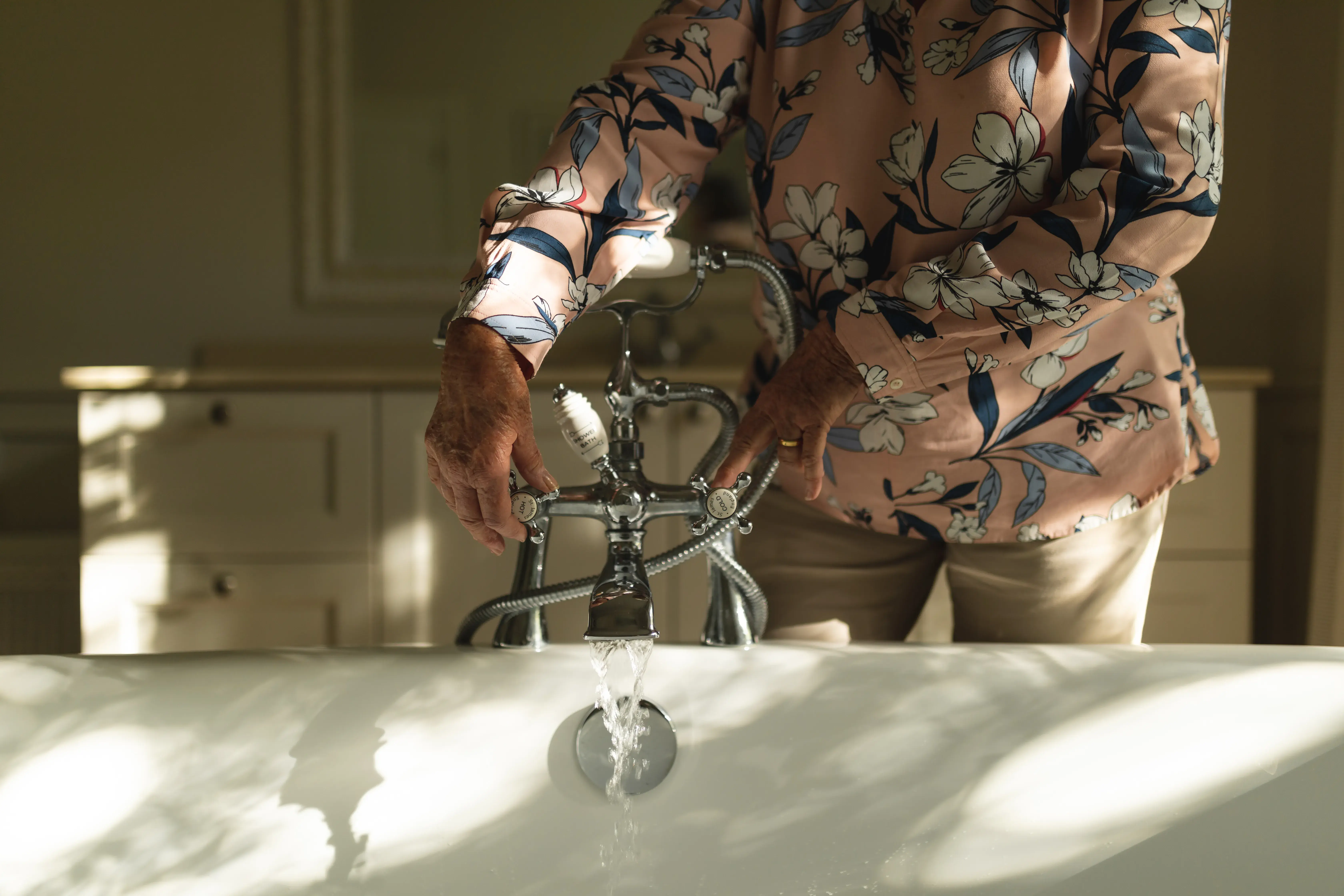
A shower might seem like a simple task, but it requires considerable movement and coordination. Standing, bending, reaching, washing hair, drying off, and getting dressed can become tiring for someone experiencing weakness, chronic pain, or limited mobility. Arthritis may make it difficult to wash certain parts of the body, while reduced stamina can make standing in the shower feel exhausting. Even small movements that once required little thought may become uncomfortable or physically demanding.
An older adult may begin skipping showers because the entire process leaves them tired or in pain. Rather than describing those difficulties, they may simply say they don't feel like bathing or promise to do it another day. If your parent also seems exhausted after getting dressed, preparing meals, or completing other routine activities, it may be worth discussing those changes with their healthcare provider. Understanding whether pain, fatigue, or mobility is contributing to the problem can help identify practical ways to make bathing easier.
3. They're Worried About Slipping or Falling
Bathrooms can become intimidating when balance and mobility change. Stepping into a bathtub, standing on wet surfaces, or closing your eyes while washing your hair can feel risky when you're no longer steady on your feet. Someone who has experienced a previous fall may be especially cautious, even if that fall happened somewhere other than the bathroom. Over time, avoiding the shower may feel like the safest option.
Some older adults won't openly admit they're afraid of falling, particularly if they worry that expressing concern will lead family members to question their independence. Instead, they may insist they've already showered or say they'll do it later. If you notice your parent holding onto furniture, avoiding stairs, or becoming hesitant about getting into the bathtub, those changes may point to a broader concern about mobility and safety. A healthcare professional or occupational therapist can help assess fall risks and recommend appropriate changes to the home environment.
4. They Don't Want to Lose Their Independence
For someone who has spent decades managing their own household and personal care, needing help with bathing can feel like a significant loss of independence. Even when an older adult recognizes that showering has become difficult, they may be reluctant to ask for assistance. Bathing is an especially private activity, and the idea of needing another person nearby can feel embarrassing or uncomfortable. What appears to be resistance may actually reflect a desire to preserve control over a deeply personal part of daily life.
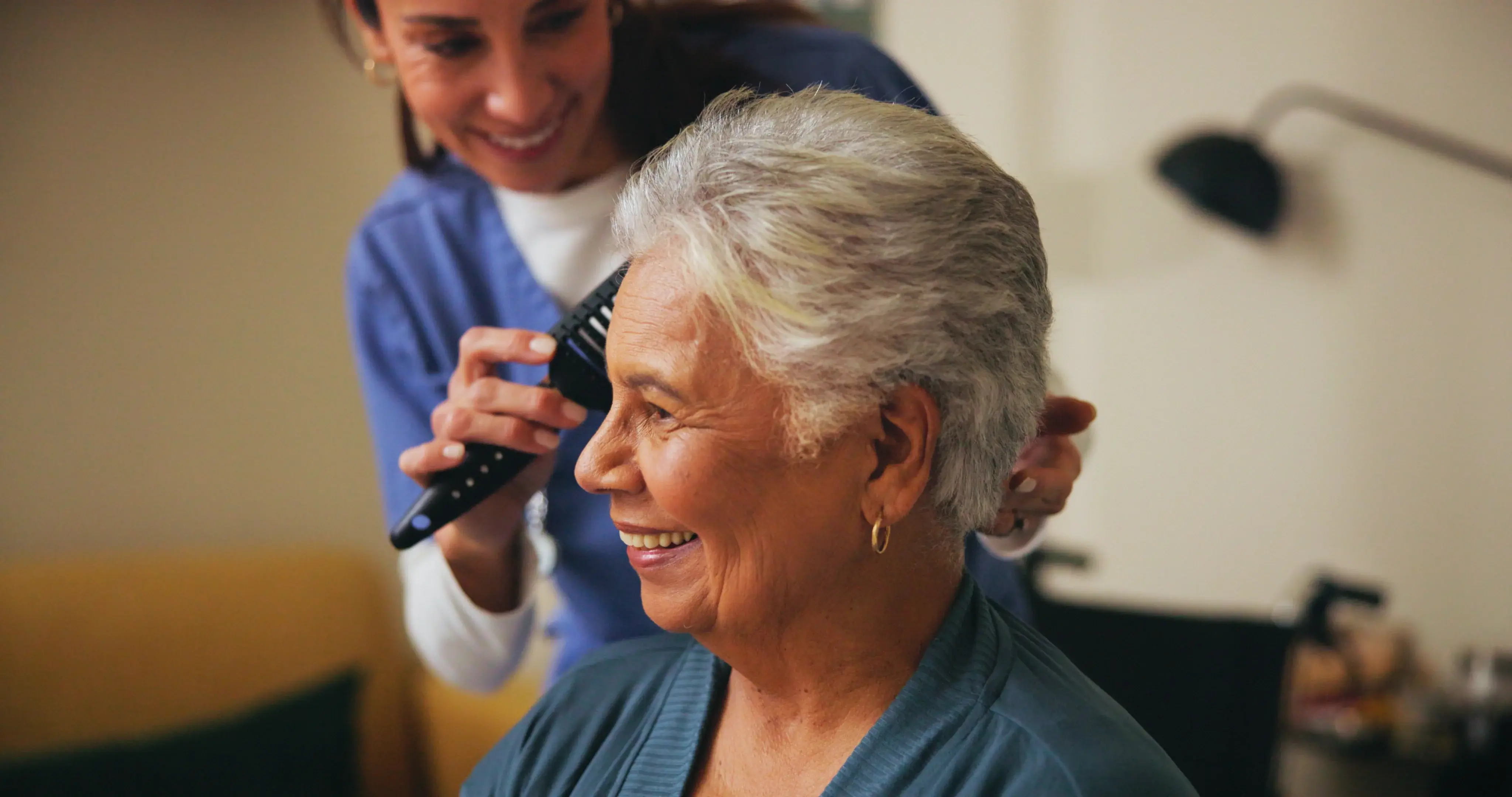
Privacy can make the situation particularly sensitive between parents and adult children. A parent may feel uncomfortable accepting help from a son or daughter or worry that admitting they need assistance will lead to other decisions being made for them. Respecting their preferences, asking what kind of support would feel comfortable, and involving them in decisions can help preserve their sense of control. In some cases, professional assistance may feel less intrusive than relying on a family member for personal care.
5. They May Be Feeling Depressed or Overwhelmed
A noticeable decline in personal hygiene can sometimes be associated with depression or other changes in emotional health. Someone who feels persistently sad, exhausted, or disconnected may struggle to maintain routines that previously required little thought. Bathing, getting dressed, preparing meals, and keeping up with household responsibilities can begin to feel overwhelming. Because these changes may develop gradually, families sometimes notice the decline in personal hygiene before recognizing other signs of emotional distress.
Looking at the bigger picture can help distinguish an isolated change in bathing habits from a broader concern. Has your parent also stopped calling friends, lost interest in favorite activities, or become less interested in preparing meals? Changes across several areas of daily life may be more meaningful than a change in showering frequency alone. A healthcare professional can help assess whether depression, medication effects, or another condition may be contributing, particularly when the changes are persistent or represent a significant departure from someone's usual behavior.
6. Their Daily Routine Has Changed
Retirement, reduced activity, the loss of a spouse, or spending more time at home can change how people structure their days. Someone who once showered before leaving for work, attending social activities, or meeting friends may no longer have the same reasons to follow a particular schedule. Without those familiar activities, bathing may feel less necessary or simply become easier to postpone. This change may have more to do with the loss of routine than with an inability or unwillingness to care for themselves.
Daily structure can play an important role in maintaining healthy habits and a sense of purpose. If your parent has become less socially active or spends most days at home, it may be helpful to explore opportunities for activities, connection, and meaningful routines. The goal isn't to impose a bathing schedule but to understand whether changes in daily life are affecting their overall well-being. When reduced bathing is accompanied by growing isolation or withdrawal, families may want to look more closely at what has changed.
When Is Showering Less Often a Cause for Concern?
The number of showers someone takes each week is less important than whether they're maintaining adequate hygiene and managing their daily activities safely. Families should pay particular attention to changes that are sudden, persistent, or accompanied by other difficulties. A person who has always preferred bathing a few times a week and continues to maintain good hygiene may have no reason to change their routine. By contrast, someone who previously bathed regularly and now goes extended periods without washing, wears soiled clothing, or develops skin irritation may need additional support.
It's also worth considering whether showering is the only activity that's changed. Difficulty getting dressed, preparing food, managing medications, or keeping up with household responsibilities may indicate that an older adult is struggling with more than personal hygiene. These changes can reflect physical limitations, emotional health concerns, or other medical conditions that deserve attention. A sudden change, particularly one accompanied by new confusion, weakness, pain, or other symptoms, should be discussed promptly with a healthcare professional.
How to Talk to Your Aging Parent About Showering
Conversations about personal hygiene can be uncomfortable, especially between parents and adult children. Bringing up body odor or pointing out how long it's been since someone showered may cause embarrassment or defensiveness without helping you understand what's happening. A parent who feels criticized may become less willing to discuss the issue, even when they recognize that bathing has become difficult. Approaching the conversation with curiosity and respect can help create an opportunity for a more productive discussion.
Rather than insisting that your parent shower, consider asking whether bathing has become uncomfortable, tiring, or difficult. They may reveal that standing hurts, they're worried about falling, or they simply prefer bathing less often than they once did. Listening before offering solutions can help you distinguish between a personal preference and a problem that needs attention. If assistance is necessary, involving your parent in decisions about bathroom modifications, scheduling, or personal care support can help them maintain a sense of independence.
Frequently Asked Questions About Older Adults and Bathing
When a Little Help Can Make Everyday Life Easier
Changes in bathing habits may seem minor, but they can sometimes reveal that an older adult is finding everyday activities more difficult. Recognizing those changes early can help families address safety concerns, protect independence, and identify when additional support would be useful. The goal isn't to insist that an older adult return to their previous bathing schedule but to ensure that they're comfortable, maintaining appropriate hygiene, and receiving help with activities that have become challenging.
TheKey Home Care provides personalized assistance with bathing, dressing, grooming, and other daily activities. Guided by TheKey's Balanced Care Method®, caregivers support familiar routines, personal preferences, and overall well-being so older adults can continue living comfortably and confidently at home.