(866) 475-4967


VA Home Care Benefits for Veterans: Eligibility, Services, and How to Get Started
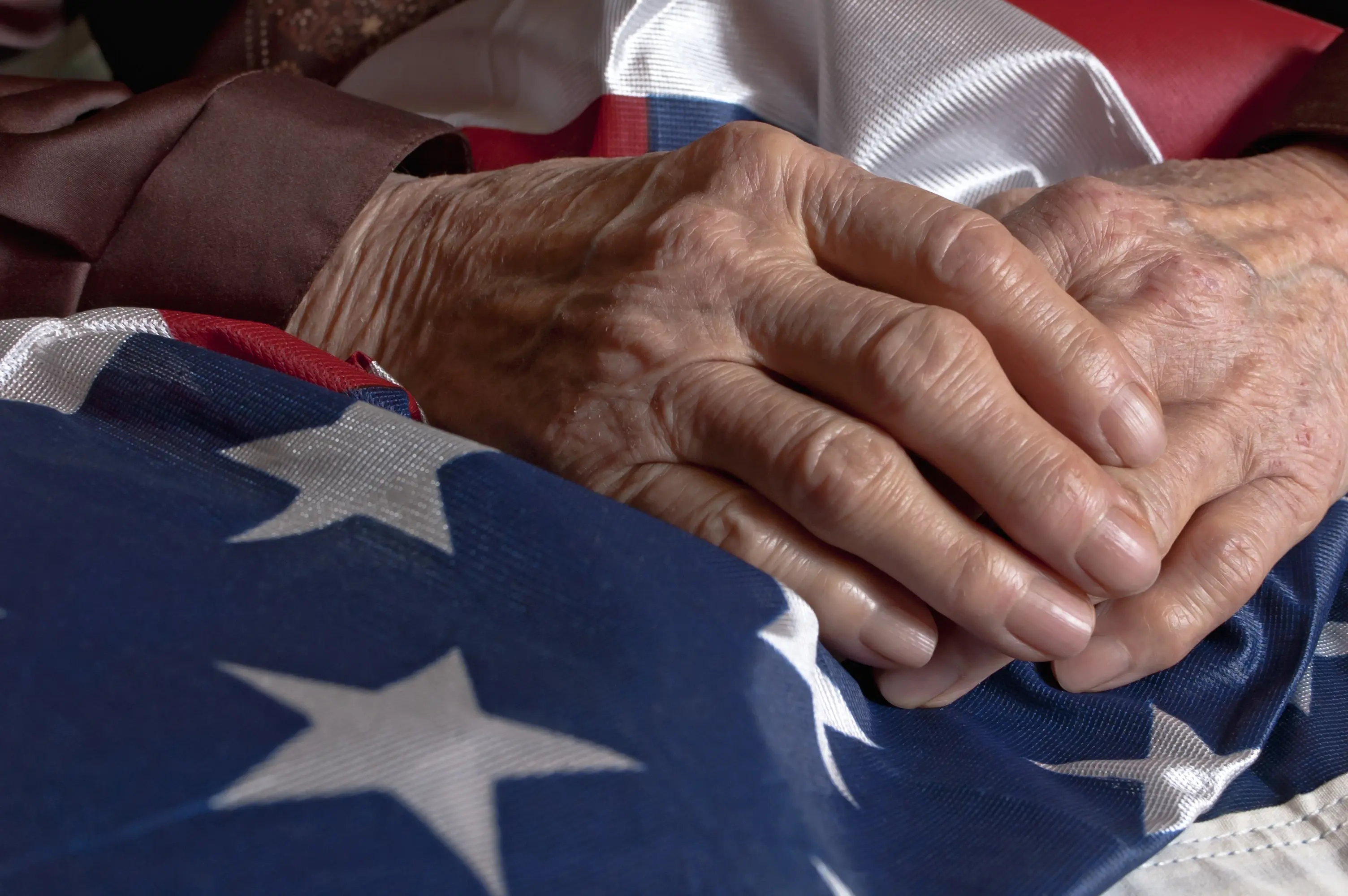
For many veterans, home represents independence, familiarity, and a lifetime of memories. As care needs change, remaining in that familiar environment can become increasingly important. Yet everyday activities such as bathing, dressing, preparing meals, and moving safely around the home may become more difficult with age, illness, or disability.
Families often step in gradually. A spouse may begin helping with personal care. An adult child may take responsibility for grocery shopping, transportation, or coordinating medical appointments. Over time, these responsibilities can grow, particularly when a veteran is managing chronic health conditions, mobility limitations, or cognitive changes.
What many families do not realize is that eligible veterans may be able to receive home care services through the Department of Veterans Affairs (VA).
The challenge is understanding which benefits are available, how eligibility is determined, and what steps are necessary to begin receiving care.
The VA offers several programs that can help veterans remain at home, including personal care assistance, respite services, and other home and community-based resources. Some benefits provide care directly through authorized providers, while others offer financial assistance that may help with care expenses.
Understanding these options can help veterans and their families make informed decisions about care while preserving independence, dignity, and quality of life.
What VA Home Care Benefits Are Available to Veterans?
The VA offers home and community-based services for eligible veterans who need assistance with daily activities or have qualifying medical needs.
These services are designed to support veterans who may otherwise have difficulty managing independently at home.
The most relevant programs include:
| VA benefit | What it provides | Who it may help |
| Homemaker and Home Health Aide Care | Assistance with personal care and daily activities | Veterans who need help bathing, dressing, eating, or managing daily routines |
| Respite Care | Temporary care that provides relief for family caregivers | Veterans whose family caregivers need additional support or time away |
| Veteran-Directed Care | Eligible veterans can help direct their own personal care services | Veterans who want greater control over how certain services are arranged |
| Skilled Home Health Care | Clinical services such as skilled nursing and rehabilitation | Veterans with qualifying medical or rehabilitation needs |
| Aid and Attendance | Additional monthly VA pension payments for qualified recipients | Eligible veterans or surviving spouses who meet pension and care-related criteria |
Not every veteran qualifies for every program. Eligibility, service availability, and the amount of care authorized depend on the individual's circumstances.
For families exploring non-medical home care, two especially relevant programs are Homemaker and Home Health Aide Care and Respite Care.
1. VA Homemaker and Home Health Aide Care
The VA's Homemaker and Home Health Aide program provides eligible veterans with assistance for everyday activities that have become difficult to manage independently.
Care is delivered by trained caregivers through organizations authorized to provide services under VA arrangements.
Depending on the veteran's assessed needs and the services approved, assistance may include:
- Bathing, dressing, and grooming
- Toileting and other personal care needs
- Eating and related daily activities
- Mobility and assistance moving around the home
- Certain household tasks and daily routines
- Support that helps veterans continue living at home
These services can be particularly valuable for veterans living with chronic illnesses, physical disabilities, or age-related changes that affect everyday functioning.
A veteran does not necessarily need to be confined to bed or require nursing home care to benefit from assistance.
The program is also not exclusively for older veterans. Eligible veterans of different ages may qualify when they meet the applicable clinical and program requirements.
How Much Home Care Does the VA Cover?
The amount of home care authorized varies.
The VA evaluates the veteran's individual needs and determines the appropriate type and level of assistance. Approval may depend on clinical need, eligibility requirements, and local service availability.
Families should not assume that VA healthcare enrollment automatically includes unlimited home care or round-the-clock assistance.
A VA social worker or healthcare professional can help explain the assessment and authorization process.
Learn more about the VA Homemaker and Home Health Aide Care program.
2. VA Respite Care: Support for Family Caregivers
When a veteran needs ongoing assistance, family members often become the primary source of support.
Spouses, adult children, and other loved ones may help with personal care, meals, transportation, medication routines, and household responsibilities.
While family caregiving can be meaningful, it can also become physically and emotionally demanding.
The VA's Respite Care program provides temporary care for eligible veterans so family caregivers can take a break from their responsibilities.
Depending on the program and availability, respite services may be provided at home or in another approved setting.
This support can give family caregivers time to rest, attend appointments, manage personal obligations, or simply step away from caregiving for a period of time.
Respite care is not only relevant when a caregiver is already exhausted. Planning for regular support can help families maintain a more sustainable caregiving arrangement.
For veterans who prefer to remain at home, in-home respite care may help preserve familiar routines while providing caregivers with needed relief.
Learn more about VA Respite Care.
3. VA Aid and Attendance Benefits
Another important resource is the VA's Aid and Attendance benefit.
Unlike the Homemaker and Home Health Aide program, Aid and Attendance does not directly arrange home care services.
Instead, it provides an additional monthly payment to eligible veterans or survivors who qualify for a VA pension and meet specific care-related requirements.
A person may qualify based on circumstances such as needing assistance with everyday activities, having certain significant visual impairments, or meeting other qualifying care criteria.
For some families, these additional pension payments may help offset the cost of care at home.
However, Aid and Attendance has separate eligibility requirements, including the underlying VA pension rules.
It is also important to distinguish Aid and Attendance from VA disability compensation and VA-authorized home care services.
Families can review the official requirements through VA Aid and Attendance and Housebound Benefits.
Who Is Eligible for VA Home Care Benefits?
Eligibility for VA home care depends on the specific program.
Veterans may qualify for VA healthcare based on factors including military service, discharge status, service-connected disability, income, and other applicable criteria.
The VA also assigns eligible healthcare applicants to priority groups, which can affect access and potential costs.
For home care services, however, general VA healthcare eligibility is only part of the process.
The VA must also determine whether the veteran has a clinical need for the requested home care services.
Factors that may be considered include:
- Difficulty completing activities of daily living
- Mobility limitations or physical disabilities
- Chronic health conditions affecting independence
- Cognitive or functional changes
- The amount of assistance already provided by family caregivers
- The veteran's overall care needs and available support
A service-connected disability is not necessarily required for every VA home care program.
Because requirements differ, veterans and families should confirm eligibility directly with the VA rather than assuming that a particular service history or disability rating guarantees approval.
Visit VA Health Care Eligibility for additional information.
How to Apply for VA Home Care Benefits
The process generally begins with confirming VA healthcare enrollment and discussing the veteran's care needs with the VA.
Step 1: Apply for VA Healthcare, If Needed
Veterans who are not currently enrolled can apply through the VA.
The application may require information about military service, discharge history, health insurance, and financial circumstances.
Applications can be completed online, by phone, by mail, or at a VA healthcare facility.
Step 2: Request a Home Care Assessment
Veterans who are already enrolled in VA healthcare can contact their VA healthcare team to discuss the need for home care.
A VA social worker or other qualified professional may help evaluate the veteran's daily living needs and identify appropriate services.
Families should be prepared to describe the activities that have become difficult and how much assistance is currently being provided.
Step 3: Confirm Eligibility and Authorization
If home care is appropriate, the VA determines whether the veteran qualifies for the requested program and what services may be authorized.
The amount of care and the provider arrangements depend on the veteran's circumstances and applicable program requirements.
Families should confirm authorization before arranging services they expect the VA to fund.
Step 4: Coordinate the Start of Care
Once services are approved, an authorized home care provider can help establish a care plan that reflects the veteran's needs and preferences.
This may include assistance with personal care, daily routines, and other approved activities.
As care needs evolve, the veteran and family can work with the VA and care provider to determine whether reassessment is appropriate.
Can Veterans Receive Both VA-Funded and Private-Pay Home Care?
Yes, families may choose to supplement VA-authorized services with additional private-pay home care.
For example, a veteran may qualify for a certain number of hours of VA-funded assistance but need additional support during evenings, weekends, or other times.
Private-pay home care may provide flexibility when the family needs services beyond those authorized by the VA.
Some families may also have long-term care insurance or other resources that can help cover additional care.
It is important to coordinate services carefully and understand which hours and activities are covered by the VA and which are the family's responsibility.
The goal is to create a care arrangement that meets the veteran's needs without unnecessary gaps or duplication.
How TheKey Supports Veterans and Their Families
At TheKey, we recognize that every veteran has a unique history, set of preferences, and vision for life at home.
For some, the most important goal is continuing to manage familiar routines independently. Others may need more consistent assistance with personal care, mobility, or daily activities.
Our approach begins with understanding the individual and providing support that reflects their needs, preferences, and abilities.
TheKey works with the VA to provide authorized Homemaker and Respite Care services for eligible veterans in participating service areas.
Our team can help families understand the process for accessing VA-funded home care through TheKey, including the importance of eligibility verification and VA authorization.
Depending on the care plan, our professional caregivers can assist with:
- Bathing, dressing, grooming, and personal care
- Meal preparation and daily routines
- Mobility-related assistance
- Companionship and meaningful engagement
- Light household tasks
- Respite support for family caregivers
TheKey also offers private-pay home care for families who need additional assistance beyond VA-authorized services.
Our Balanced Care Method® reflects a whole-person approach to well-being, recognizing the importance of movement, nutrition, cognitive engagement, social connection, calm and purpose, and routine and safety.
For veterans, this means looking beyond individual tasks to consider how care can support continued participation in daily life.
We believe that assistance should be personalized, respectful, and designed to preserve independence wherever possible.
Learn More About TheKey's Veteran Home Care Services and VA Benefits
Frequently Asked Questions About VA Home Care Benefits
The VA may authorize and fund in-home caregiver services for eligible veterans through programs such as Homemaker and Home Health Aide Care or Respite Care. Coverage depends on the veteran's assessed needs, eligibility, and program availability.
Some eligible veterans may receive VA-authorized home care without out-of-pocket costs, while others may have applicable copayments. Families should confirm their individual circumstances with the VA.
Not necessarily. Some VA home care programs are available to eligible veterans without a service-connected disability. Specific requirements vary by program.
VA home care programs do not automatically provide 24-hour assistance. The amount of care depends on clinical need, program rules, and VA authorization. Families who require continuous care may need to explore additional arrangements.
A surviving spouse may qualify for certain VA pension benefits, including Aid and Attendance, when applicable eligibility requirements are met. This is different from receiving the veteran's own VA healthcare services.
Timelines vary depending on enrollment status, clinical assessments, authorization requirements, and local provider availability. Families should contact their VA healthcare team for information about their specific application or referral.
TheKey participates in VA-funded home care programs in designated service areas. Families can contact TheKey to learn about local availability and the steps required to obtain VA authorization.
Helping Veterans Continue Living Well at Home
For many veterans, the ability to remain at home is closely connected to independence, comfort, and personal choice.
As health and care needs change, additional assistance can help make everyday activities more manageable while reducing the demands placed on family caregivers.
At TheKey, we believe that caring for veterans means recognizing the whole person, respecting their preferences, and helping them continue living with dignity and meaningful connection.
If you or someone you love is a veteran who may benefit from home care, TheKey can help you explore available options and understand the next steps toward personalized support.