1-844-655-0880




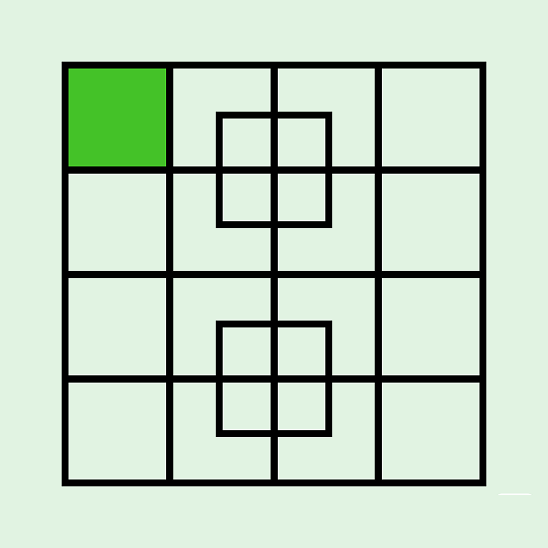
How Many Squares?
This activity involves counting the number of squares that are in each of the designs. Strengthen visual reasoning through layered shapes and angles.

Engaging activities support mental sharpness, reduce stress, and strengthen meaningful caregiver-client connections.
Studies have shown the benefits of staying mentally engaged throughout life; an active mind is a healthy mind. There are numerous things that you as a caregiver can do to promote brain health for your client. Below are some fun cognitive exercises that you can facilitate with your client. Evaluate and select activities that are most appropriate and enjoyable for your client.
This visual-spatial exercise strengthens attention, pattern recognition, and problem-solving—important skills that support cognitive engagement and brain health.
This activity involves counting the number of squares that are in each of the designs. Strengthen visual reasoning through layered shapes and angles.
This activity involves counting the number of squares that are in each of the designs. Strengthen visual reasoning through layered shapes and angles.
Studies show that staying mentally engaged helps keep the brain active and healthy, reinforcing the idea that “an active mind is a healthy mind
Activities such as word games, reminiscence, and idiom completion stimulate recall and long-term memory pathways
Exercises like block tapping and visual puzzles strengthen concentration and sustained attention
Categorization, problem-solving, and sequencing tasks help maintain planning, reasoning, and decision-making abilities
Engaging the mind through enjoyable activities can reduce boredom, frustration, and anxiety, contributing to overall quality of life
Regular mental stimulation is associated with better preservation of cognitive abilities over time, especially when tailored to the client's needs